


Vision.A
An emergency response system for work at height on construction sites. Sensors on the worker, a mapped site and a visor for the rescuer, so that help reaches the injured person without losing time.


Above two metres
Work at height is any job that exposes a worker to a fall of more than two metres: scaffolding, frameworks, roofs, ladders and aerial platforms. It calls for harnesses, helmets and lifelines, and for safety measures that prevent the fall.
Definition: Italian Legislative Decree 81/2008, art. 107.
Eighteen kilometres of motorway
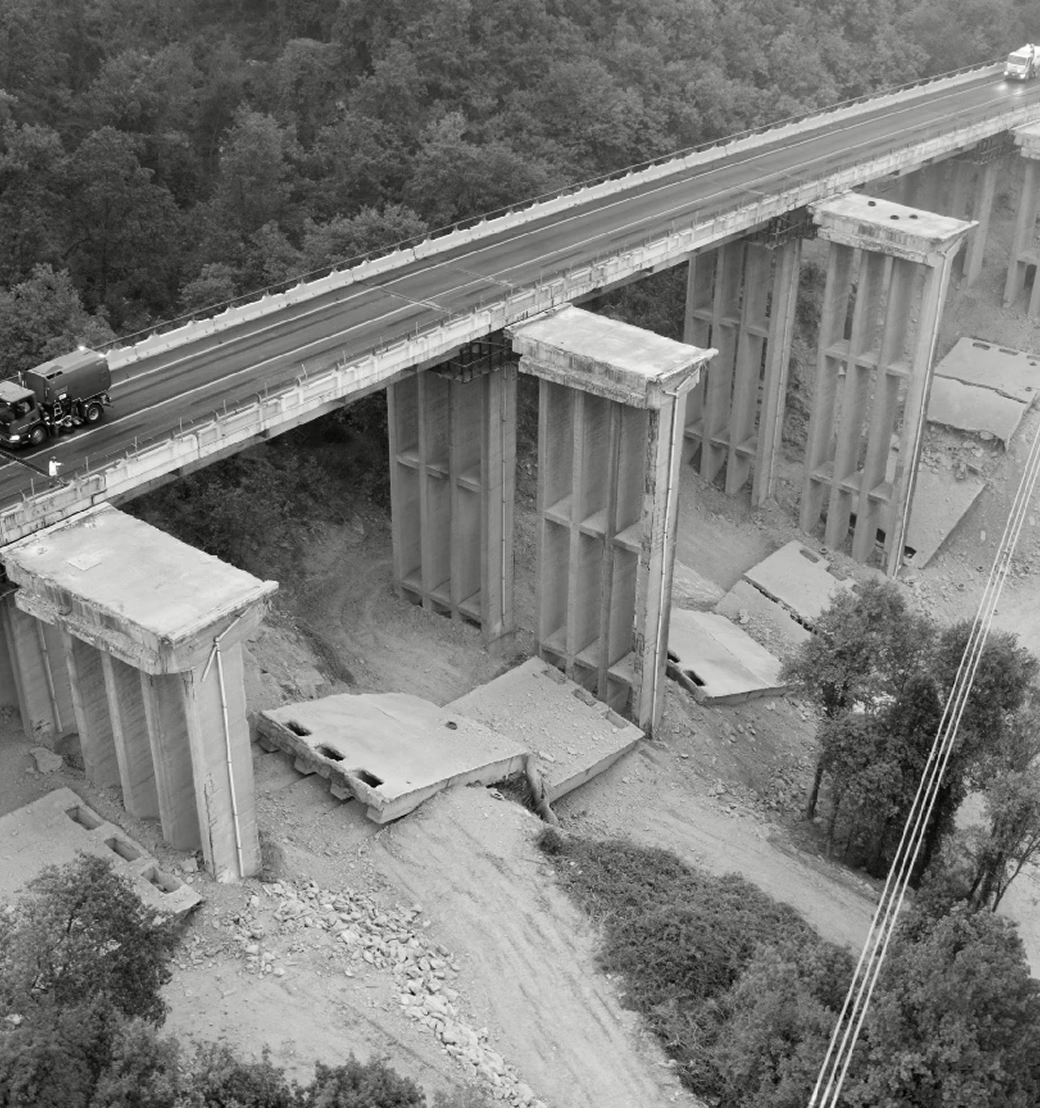
We took a real site: the widening of the A1 motorway between Barberino di Mugello and Calenzano, about 18 km of new carriageway, with viaducts and tunnels worked at height. On that site, around eighty workers are covered by two nurses.
80
workers on site
2
nurses to help them
Length of the works: Comune di Calenzano. Workers and nurses: from our interviews on site.
Height is not the only risk
Wind, rain and poor visibility take away footing and judgement. Fatigue and a lapse in attention slow reactions down. Equipment used in haste, or without proper training, turns a routine manoeuvre into a fall.
Talking to the site nurses
When someone falls, a chain of phone calls starts, and about fifteen minutes pass between the call and the rescue. We asked the nurses on site where that time goes.
-
Q
Can nurses access the patient's clinical data?
“Yes, we have access to all the clinical data of the patient, the worker, under Legislative Decree 196/2003 as amended by Legislative Decree 101/2018.”
-
Q
How often does the construction site change?
“Access points and call locations often change, and we are not always updated in time. Reaching the right location can take extra steps, and we lose critical time.”
-
Q
How do you reach the patient?
“There are two Defender ambulances on site, one as a backup. The 118 emergency service gives the coordinates, which are noted on a sheet of paper. From there the nurse drives from memory, if they know the site well, or types them into Google Maps on the phone.”
-
Q
What if the nurse is late?
Workers often try to help the injured person, and can make things worse. Each group has a safety officer to support the nurse, but that is often not enough for an effective response.
What the nurses told us
We then asked the site nurses what a rescue system should do, and how they work today.
- Medical data
- 82%
- of nurses would like to access the worker's medical data.
- Location tracking
- 91%
- of nurses would like a system that tracks where the worker is.
- Fall sensor
- 74%
- of nurses find a fall detection sensor useful.
- Workers rescued a year
- 144
- Minutes from the call
- 15
- pass between the emergency call and the rescue.
- Days, site layout
- 10
- is how often the construction site changes.
How nurses locate the worker
Vital signs to monitor
Who wears what
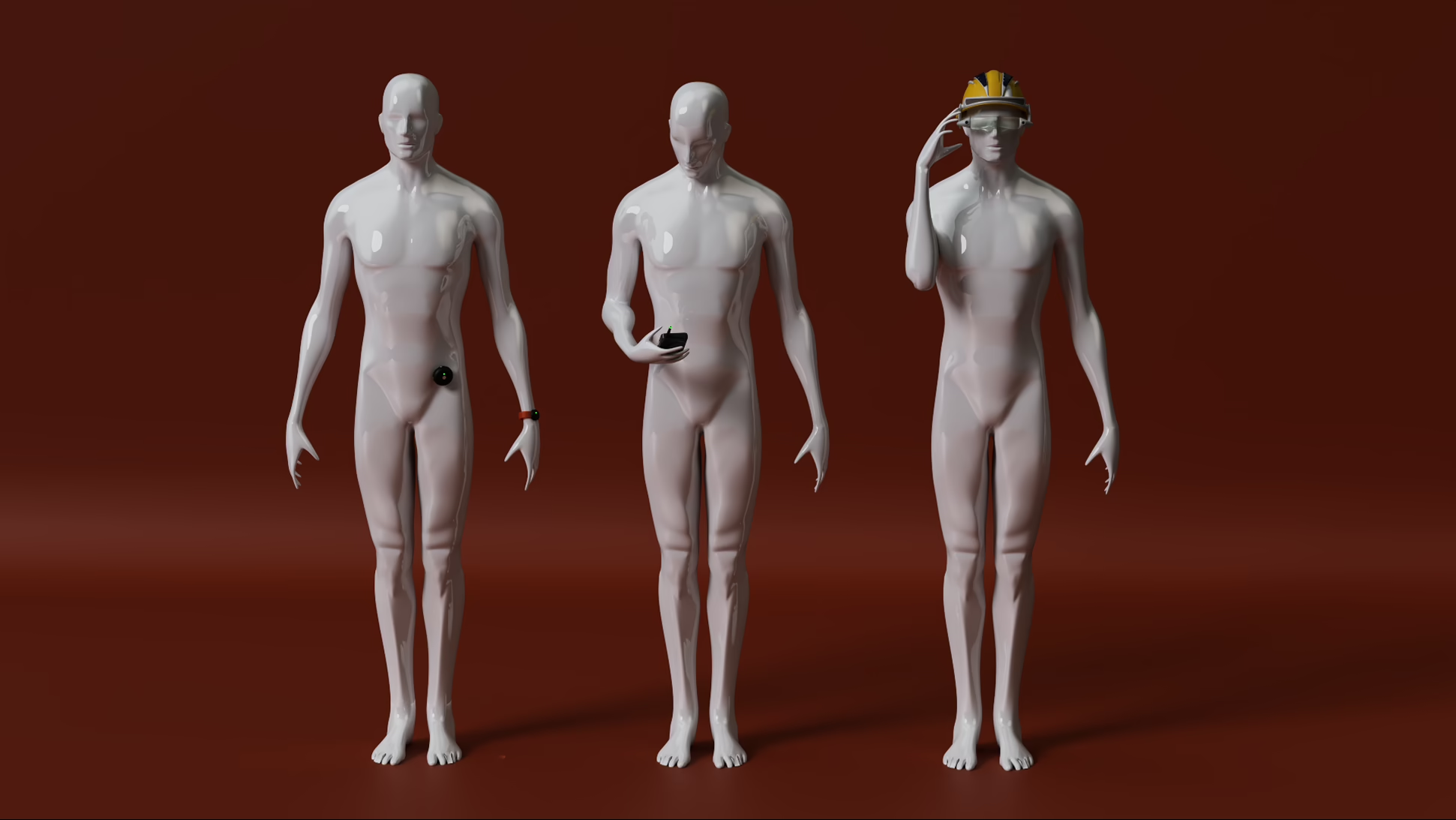
Vision.A connects three parts: sensors on the worker, a map of the site, and a helmet with a visor for the rescuer.
Worker
Shock and fall sensor, geolocation, health status detection.
Site
Construction site mapping, geolocation, navigation support for the ambulance.
Rescuer
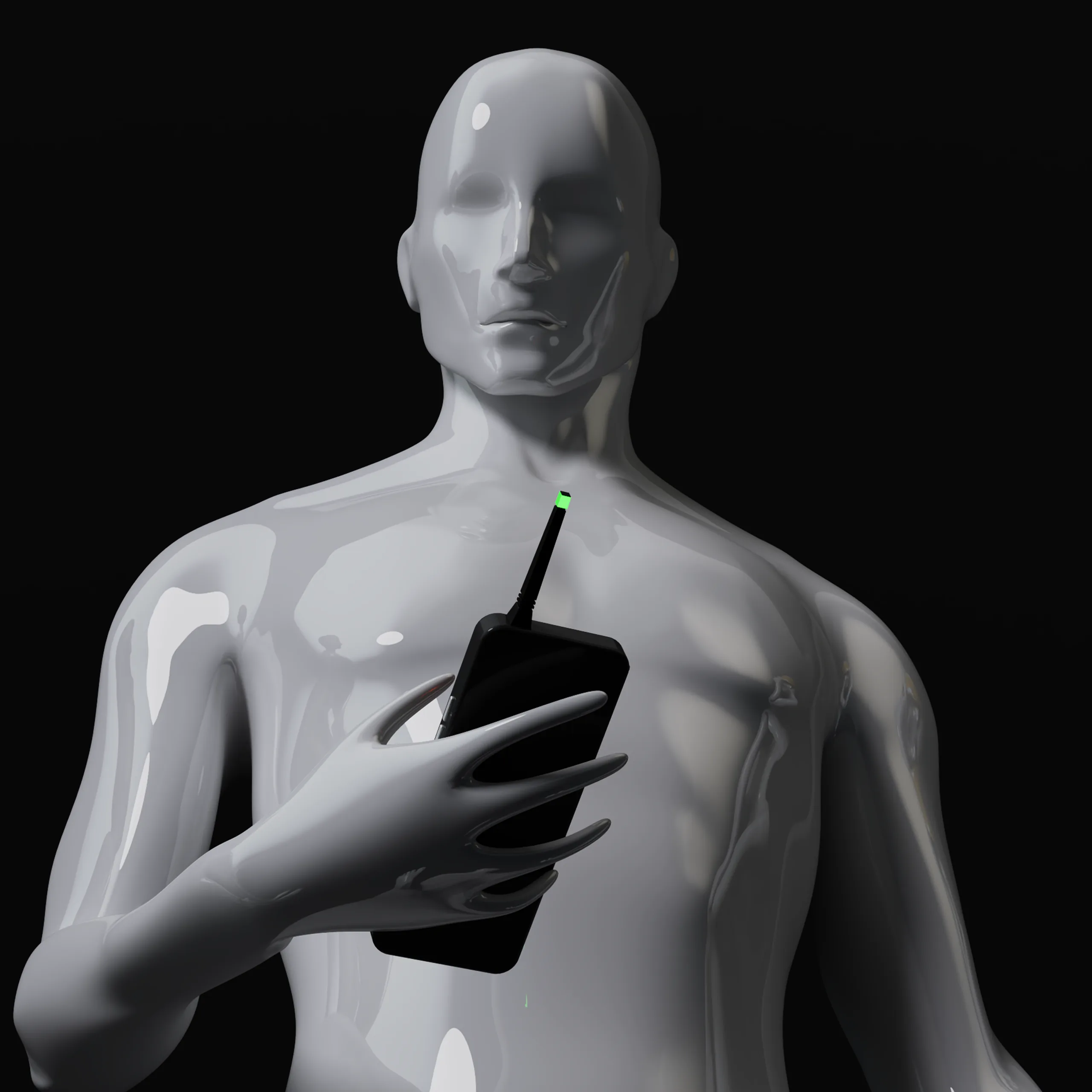
Helmet with a visor, communication and navigation device.
A map that keeps up
A drone maps the site every two weeks, and LIDAR maps it on the spot; the light poles are already on site. On the 3D model, the injured worker has an exact position.
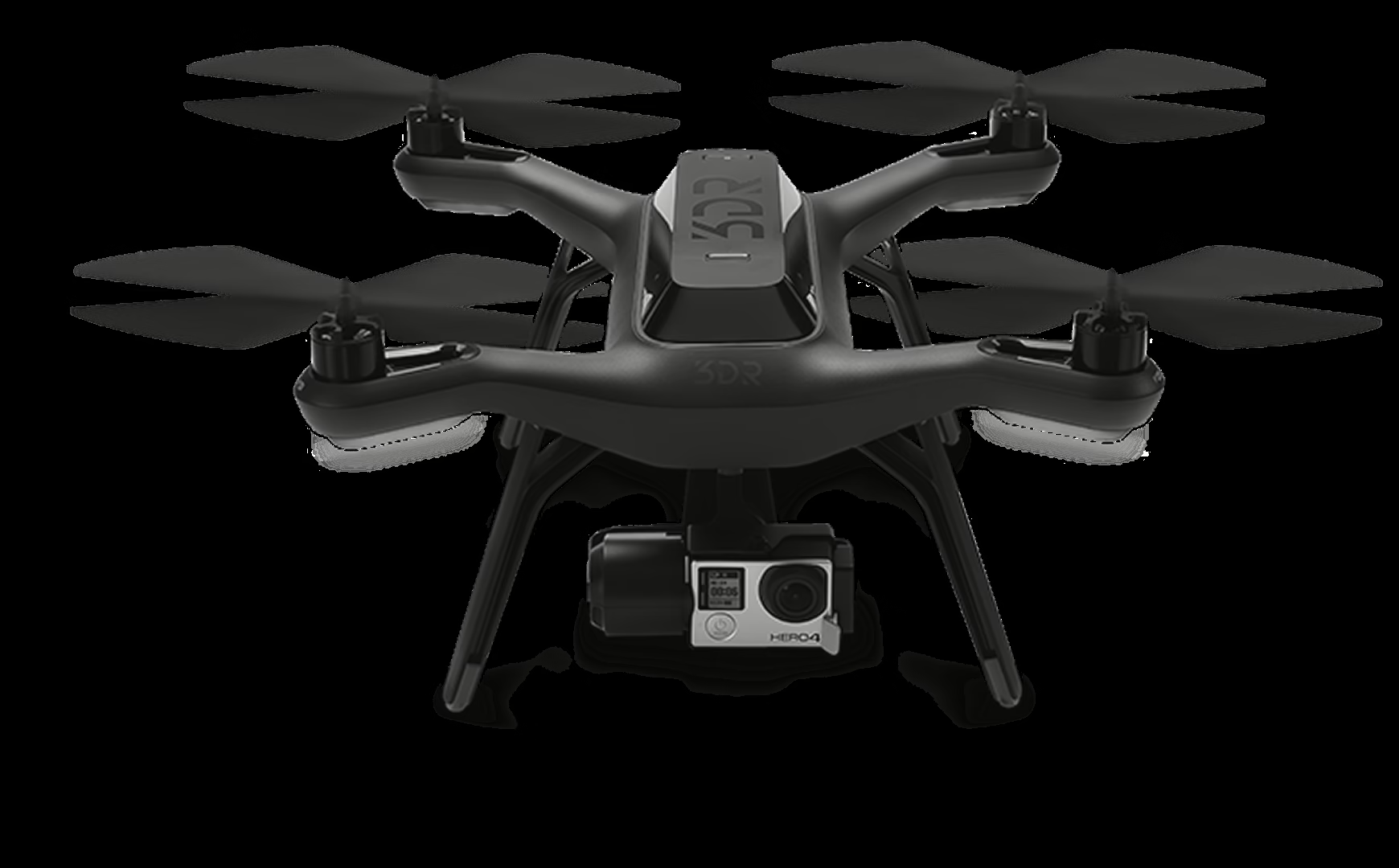
Drone
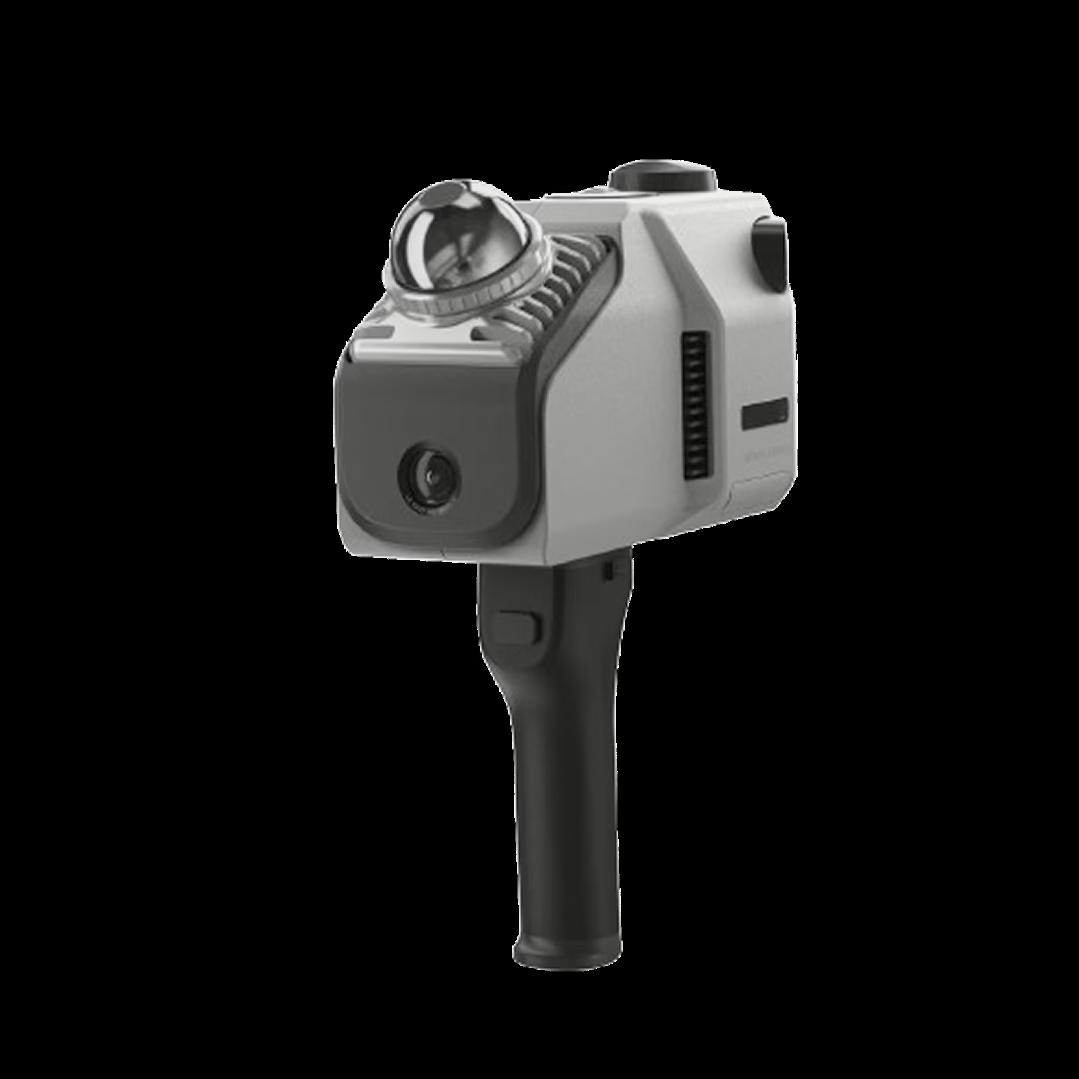
LIDAR
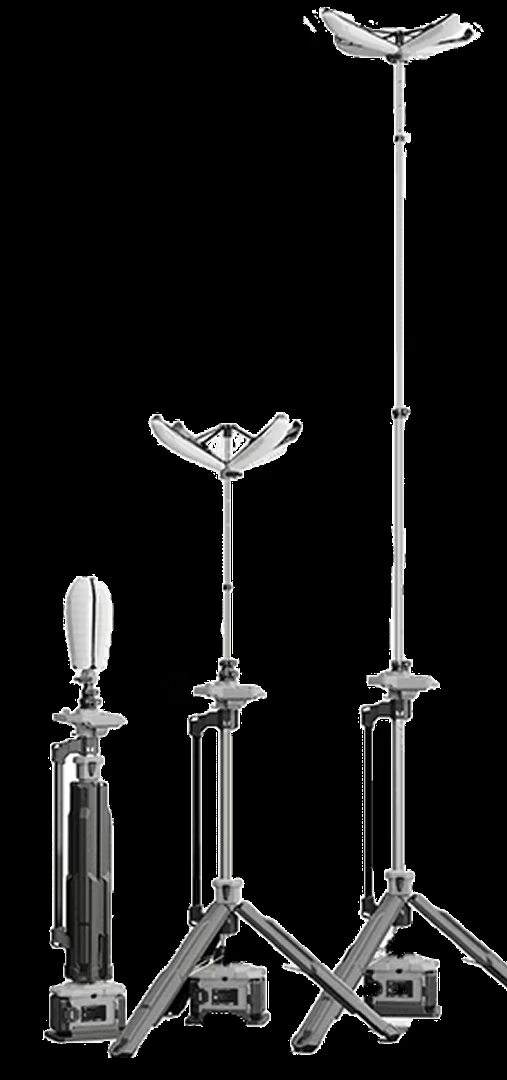
Light poles
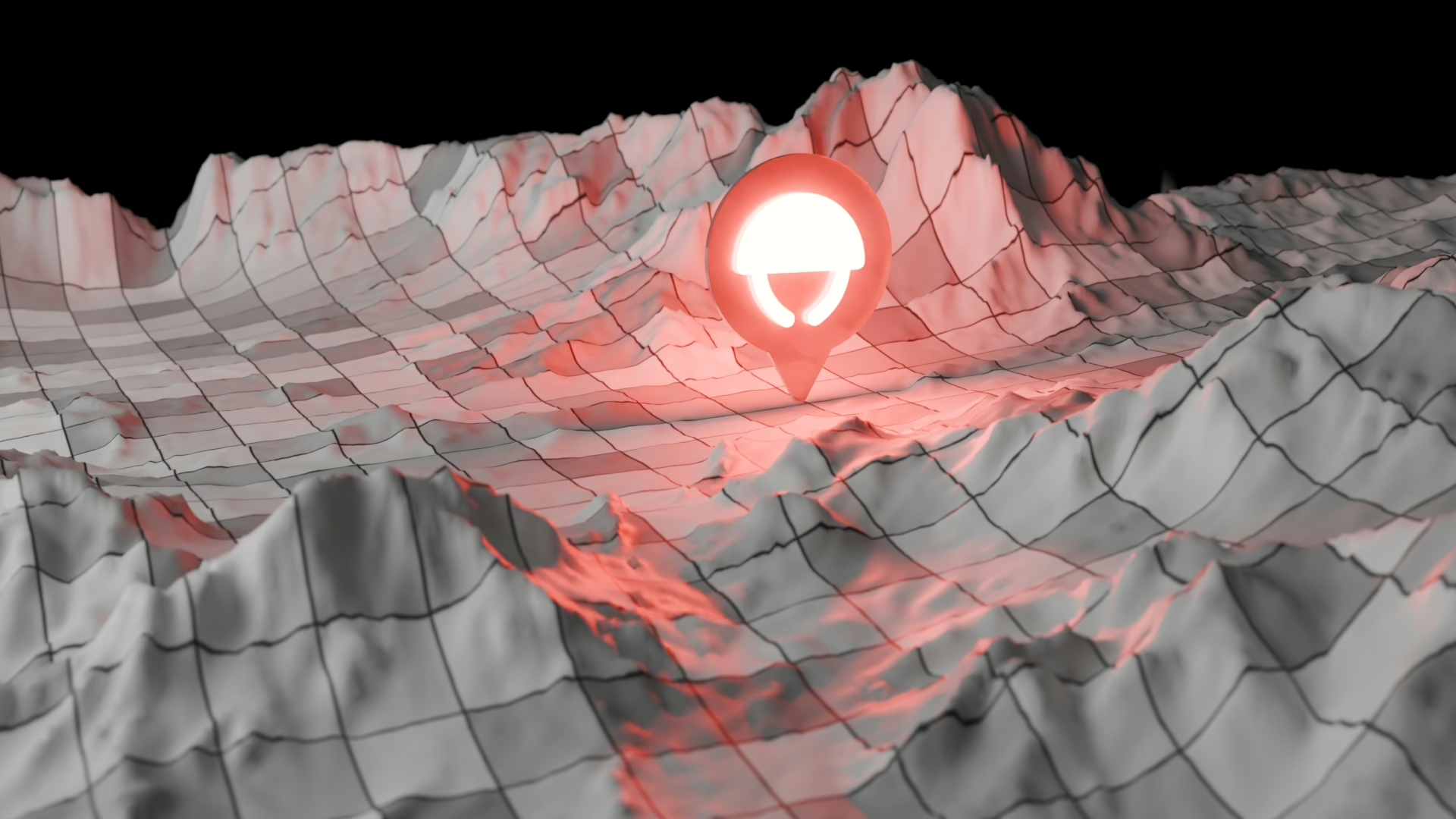
The worker, identified on the 3D map of the site.
ResQ.Tag and ResQ.Vital
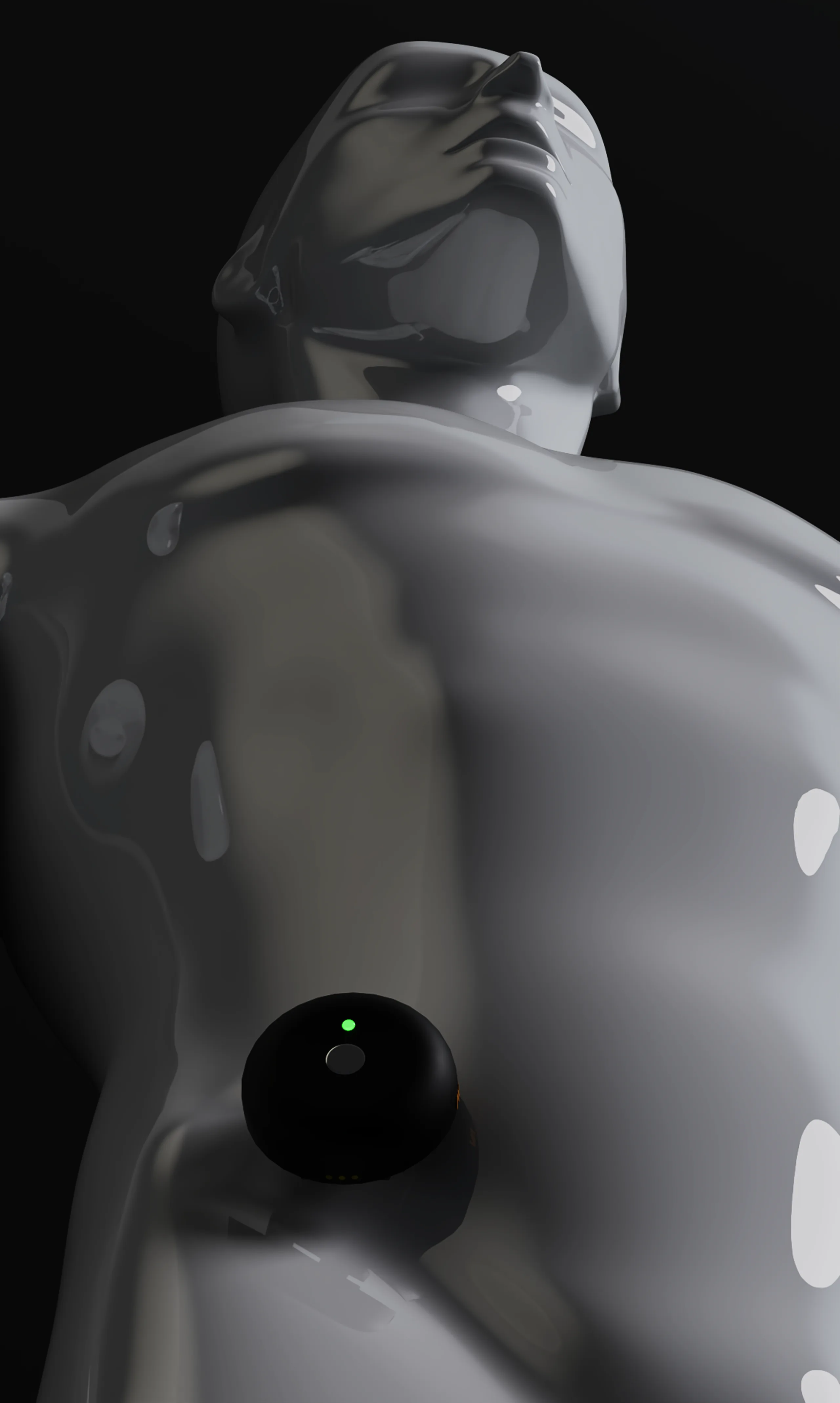
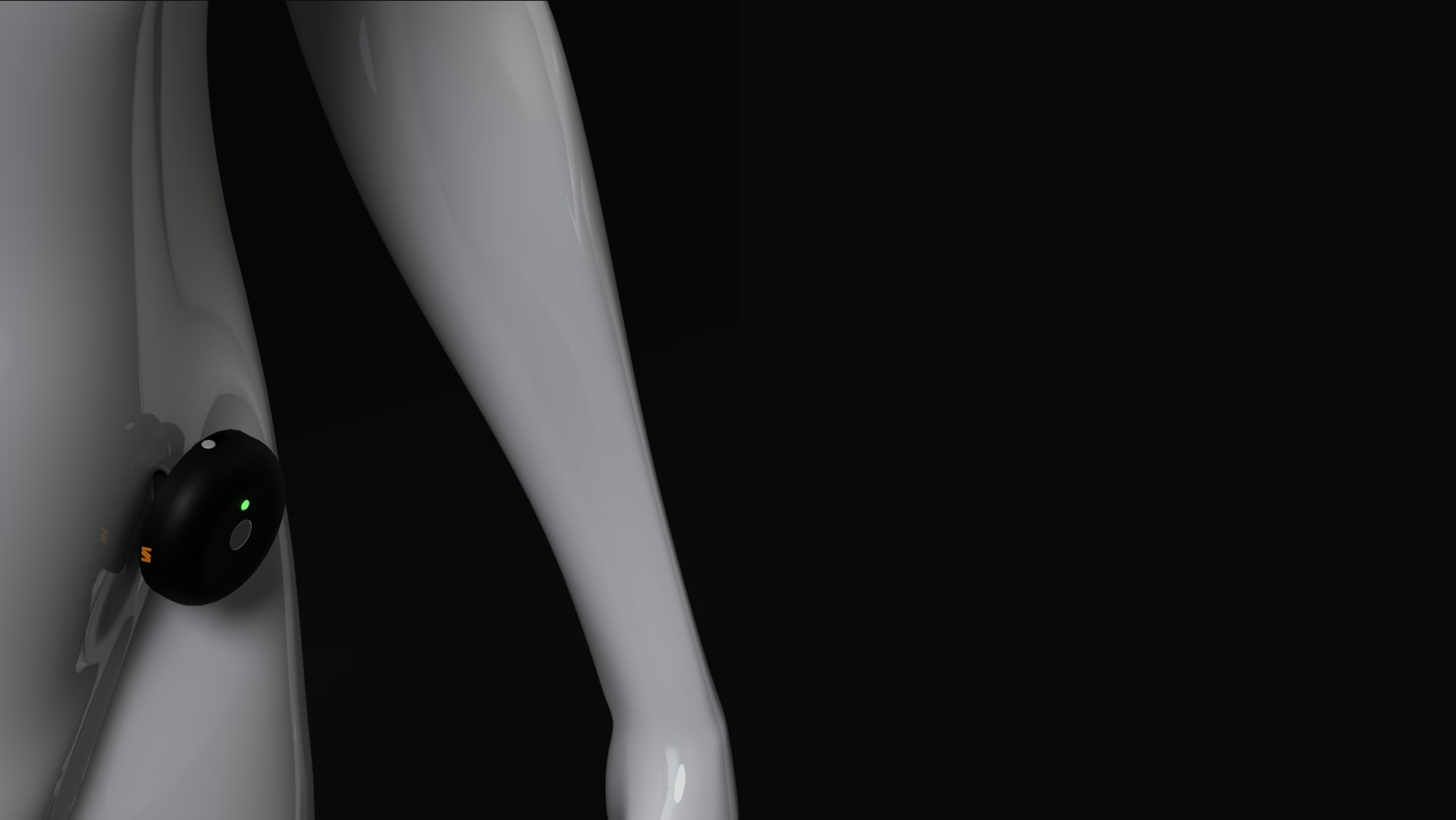
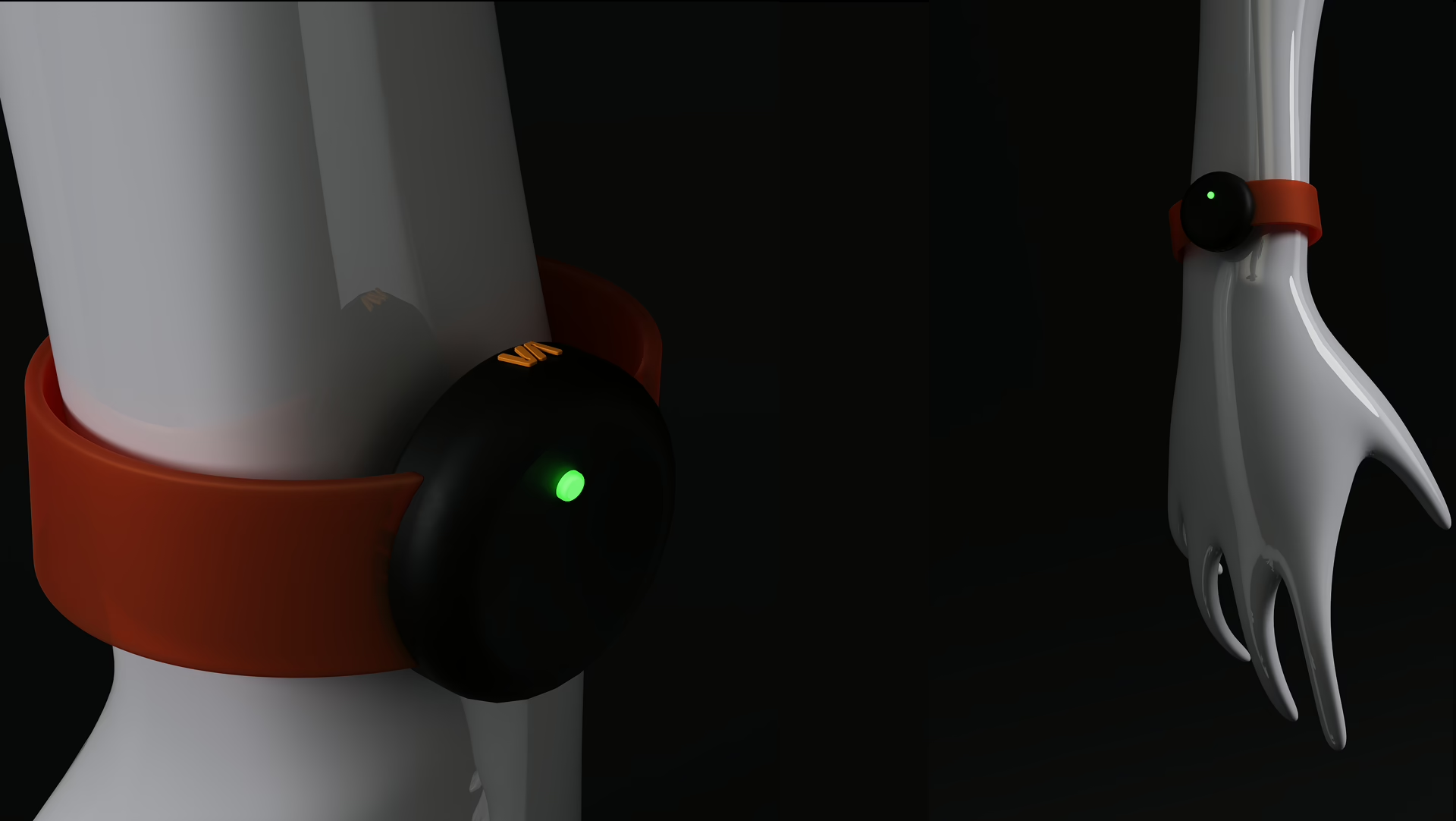
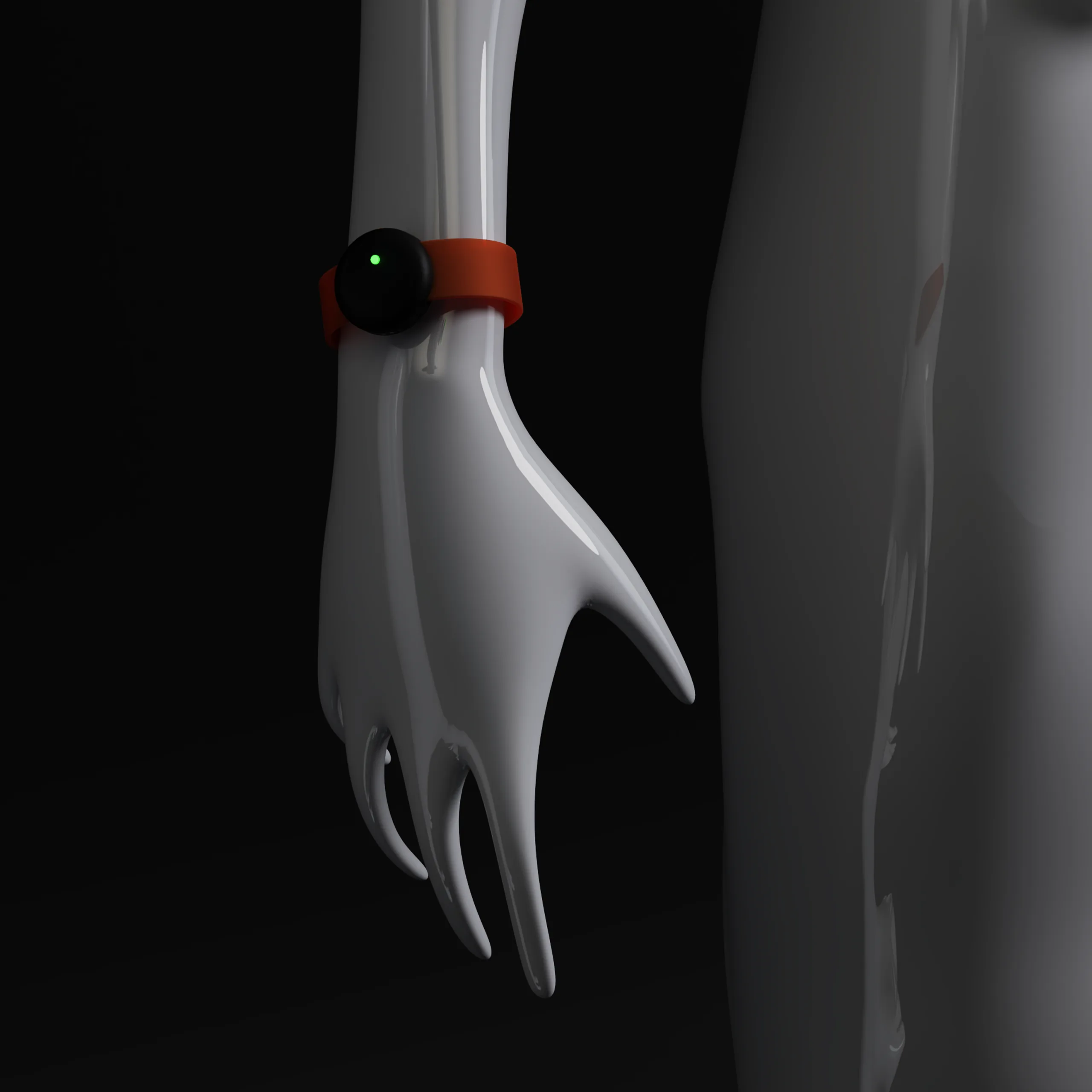
Two portable sensors for emergencies and impacts. ResQ.Tag, at the belt, detects a fall or an impact; ResQ.Vital, at the wrist, reads heart rate, blood oxygen and hydration.
ResQ.Tag
- Fall and impact
- Gyroscope, accelerometer
ResQ.Vital
- Heart rate
- PPG
- Oxygen saturation
- Pulse oximeter
- Hydration
- Impedance meter
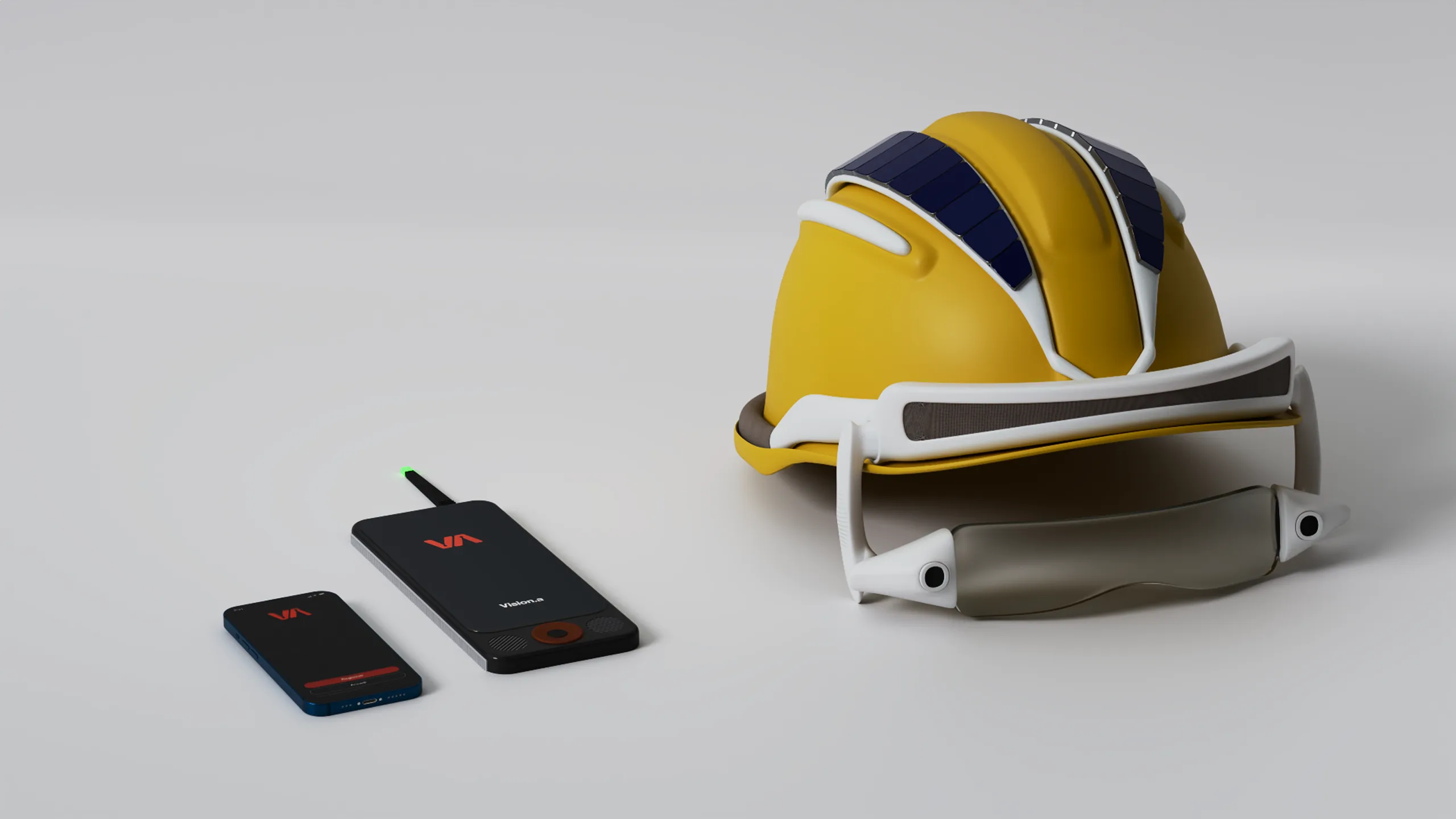
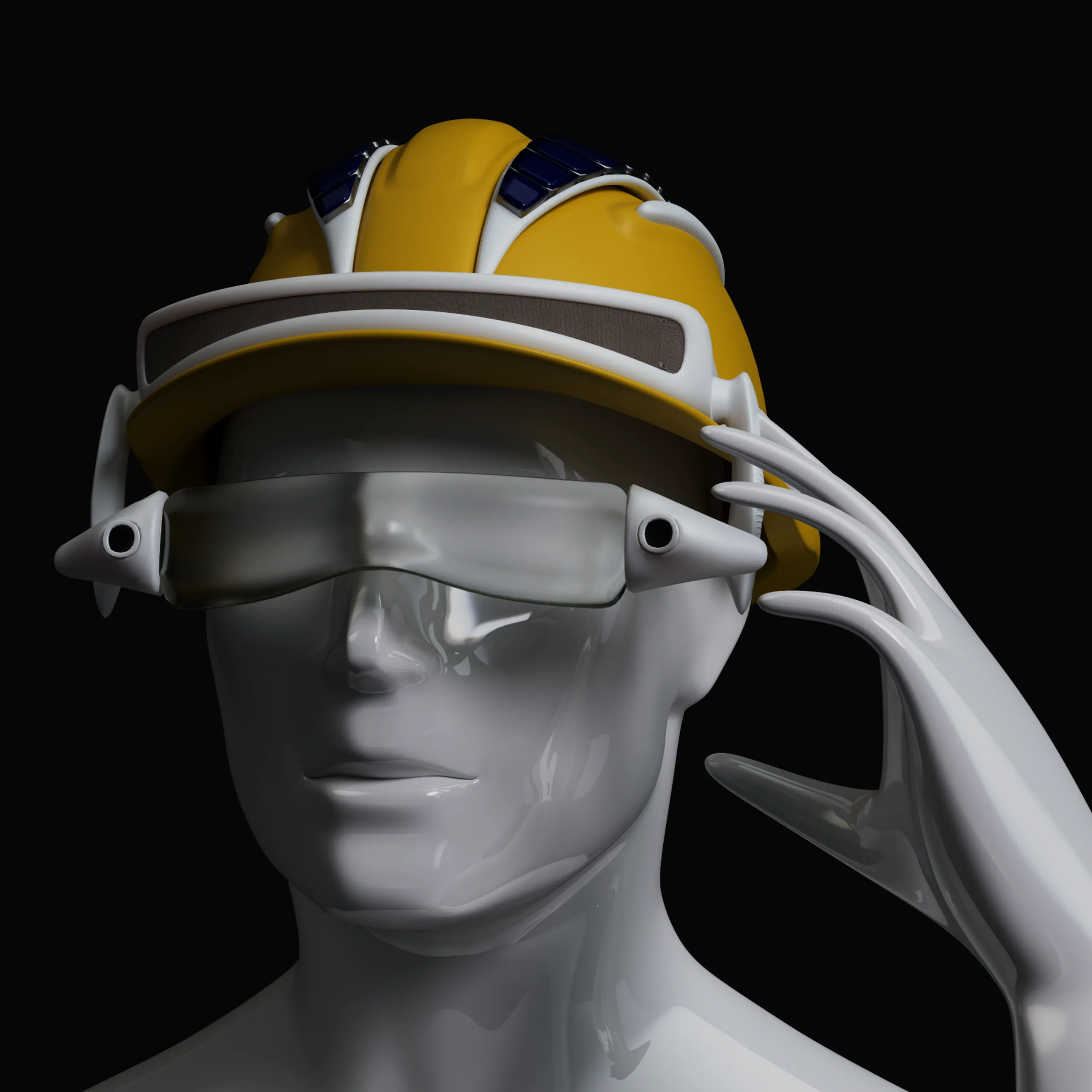
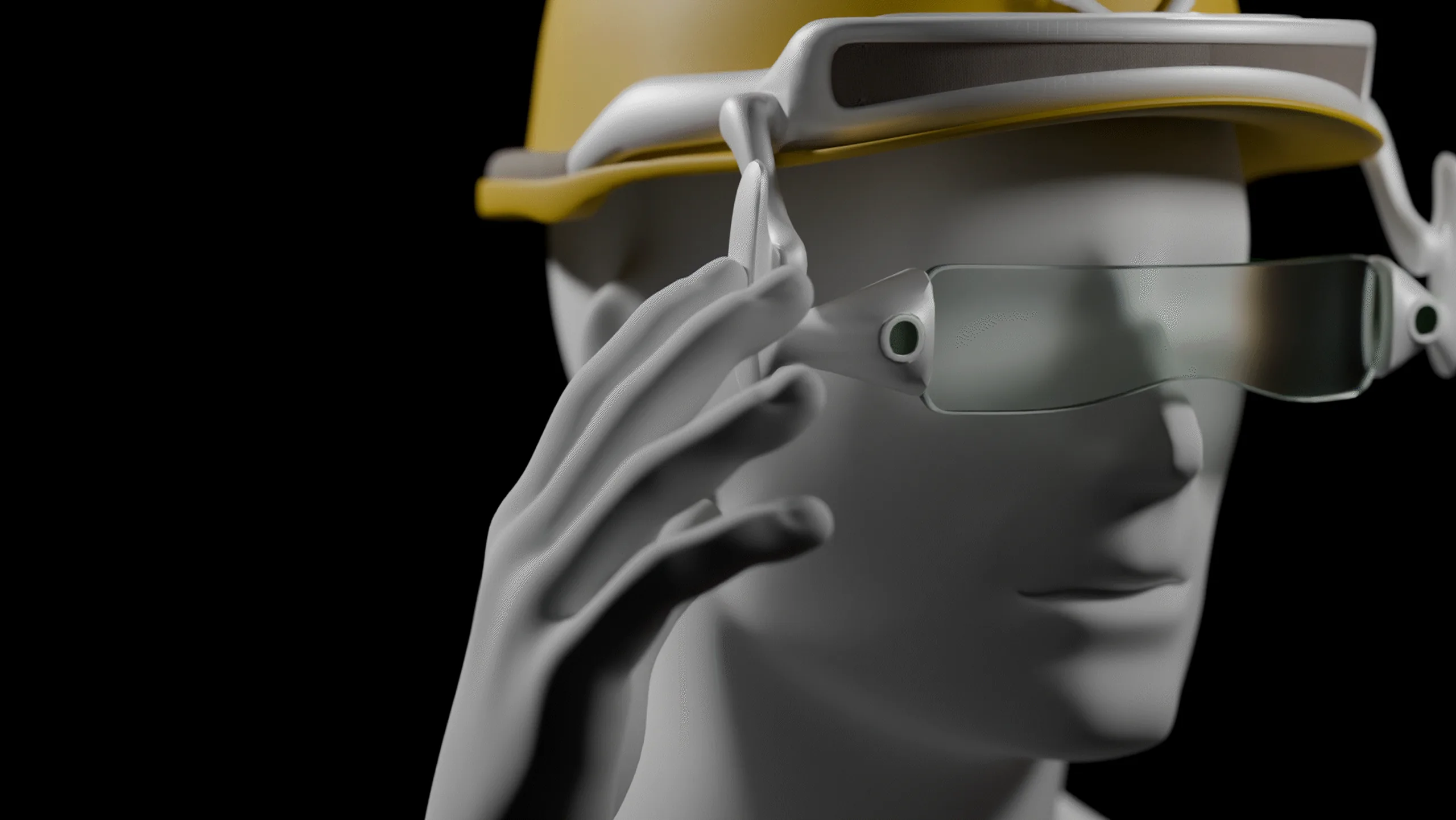
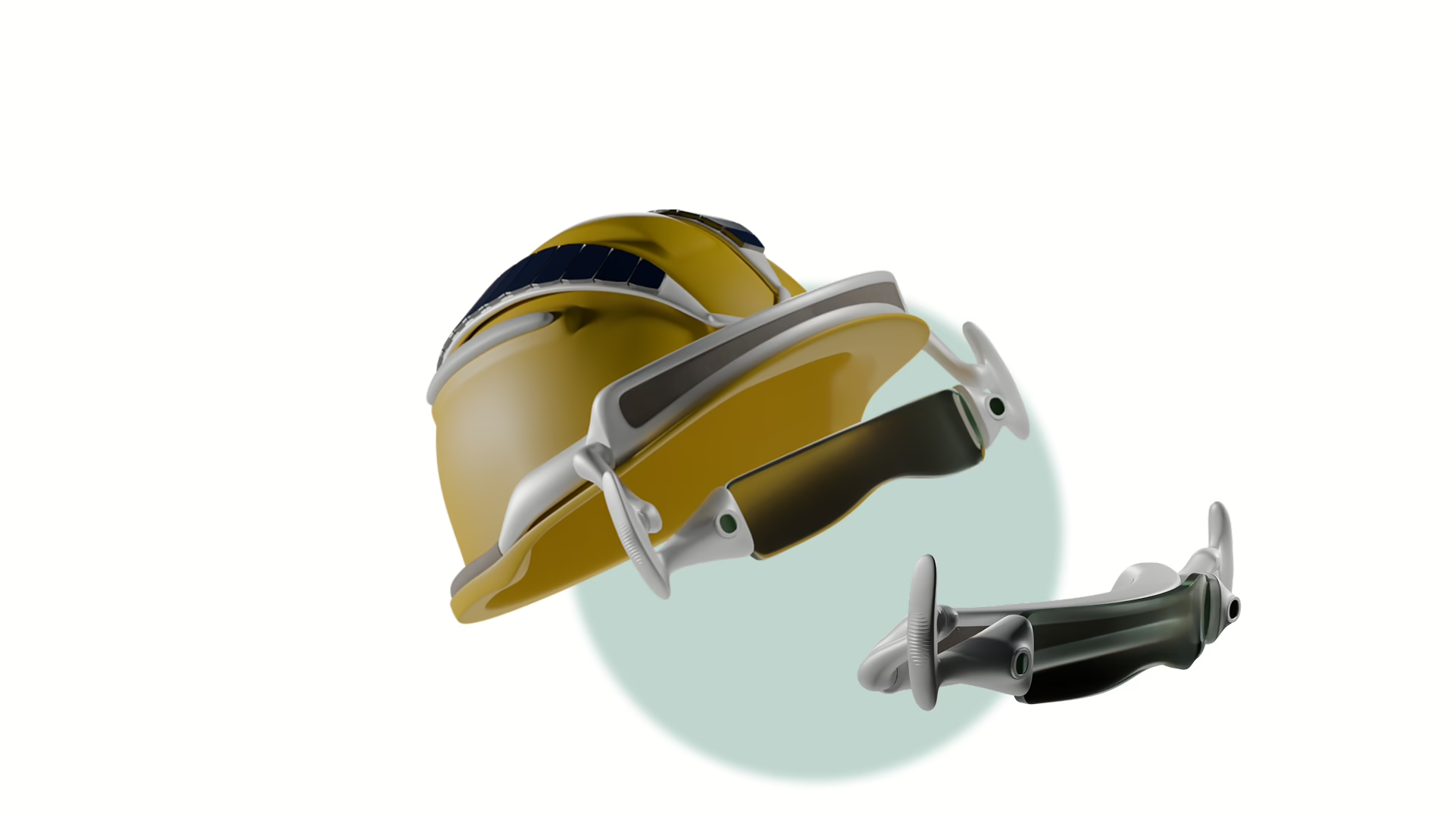
The rescuer's helmet
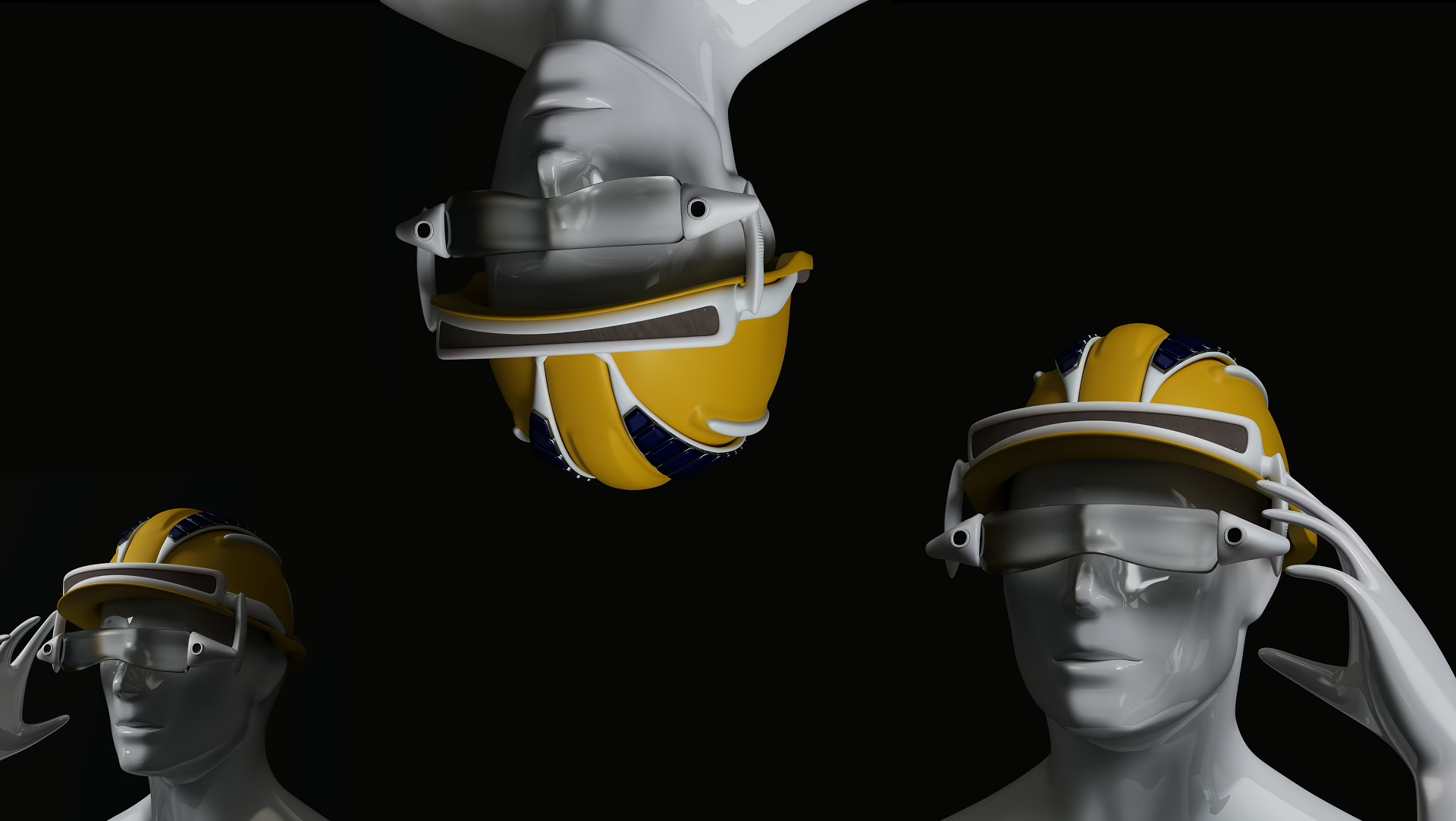
A smart safety helmet for rescuers on construction sites. Its visor gives immediate access to the worker's medical records, and guides the rescuer to the right spot.
On the phone
- Clinical history
- Multimedia device
- Ambulance checks
- Multimedia device
In the visor
- Coordinates
- Mixed reality
- Critical parameters
- Mixed reality
Information over the site
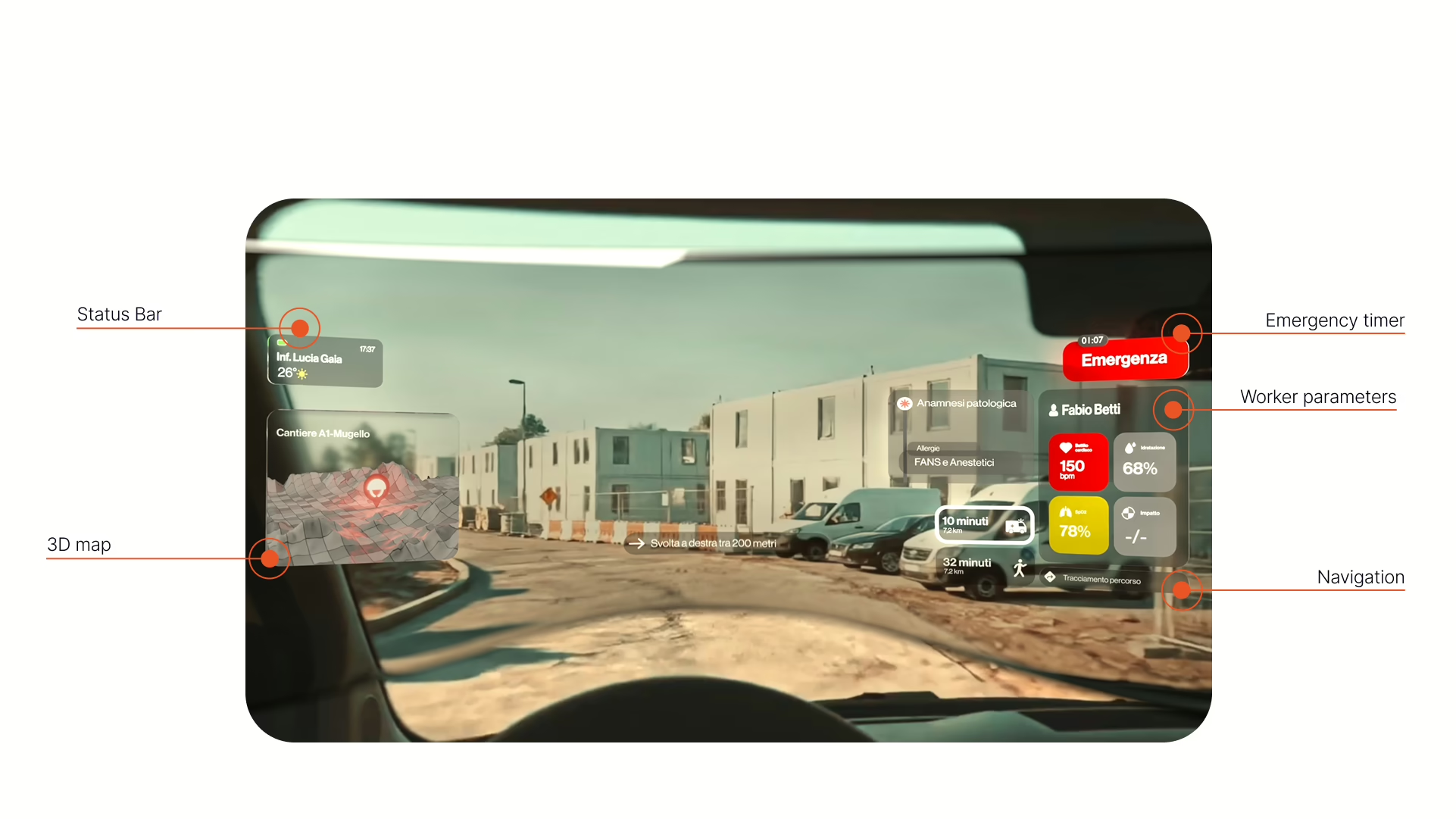
The visor lays the data over the view of the site: a status bar, the 3D map, the emergency timer, the worker's parameters and the navigation. The rescuer controls it with gestures on the arm of the visor.
From an alert to a rescue
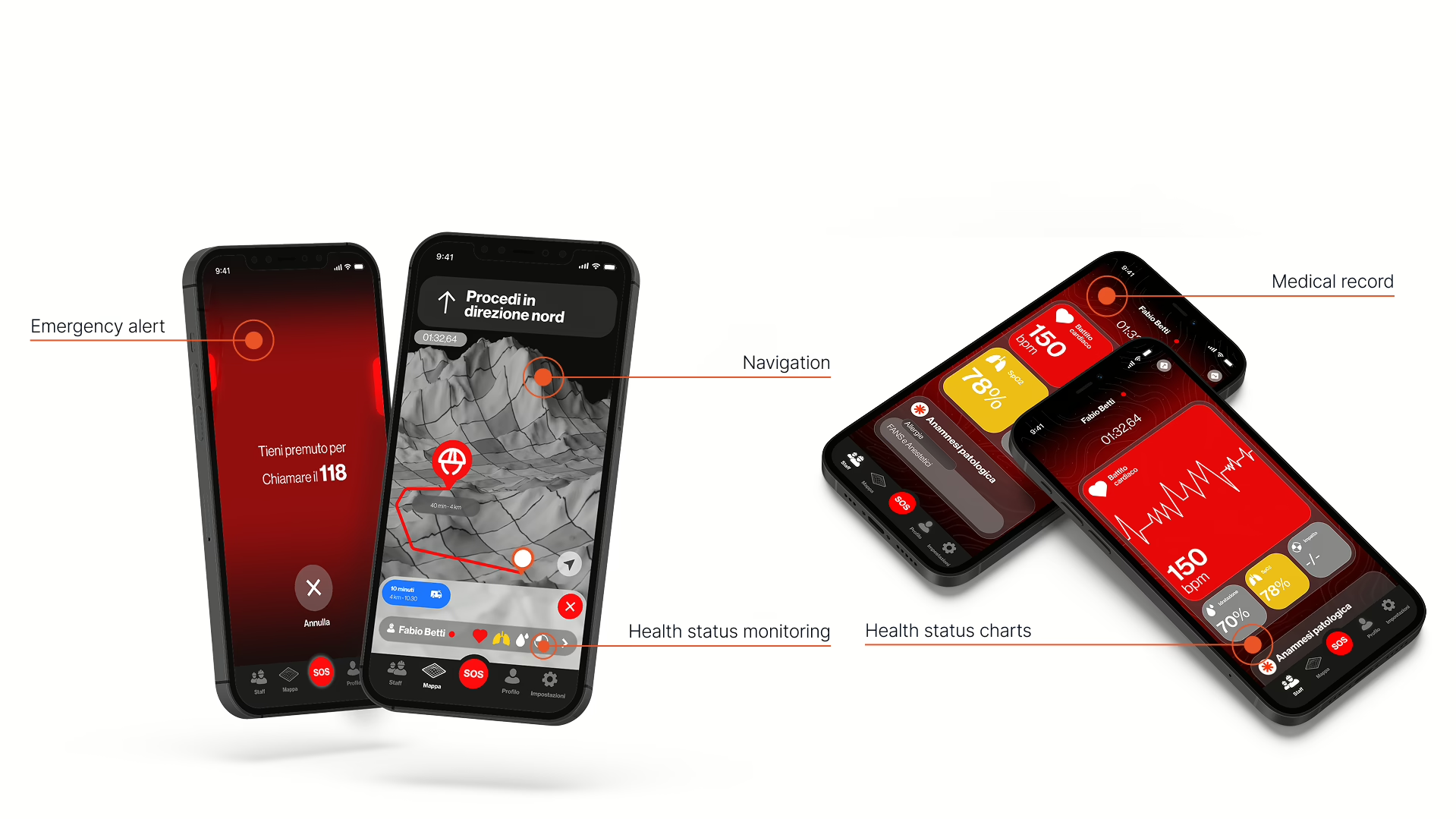
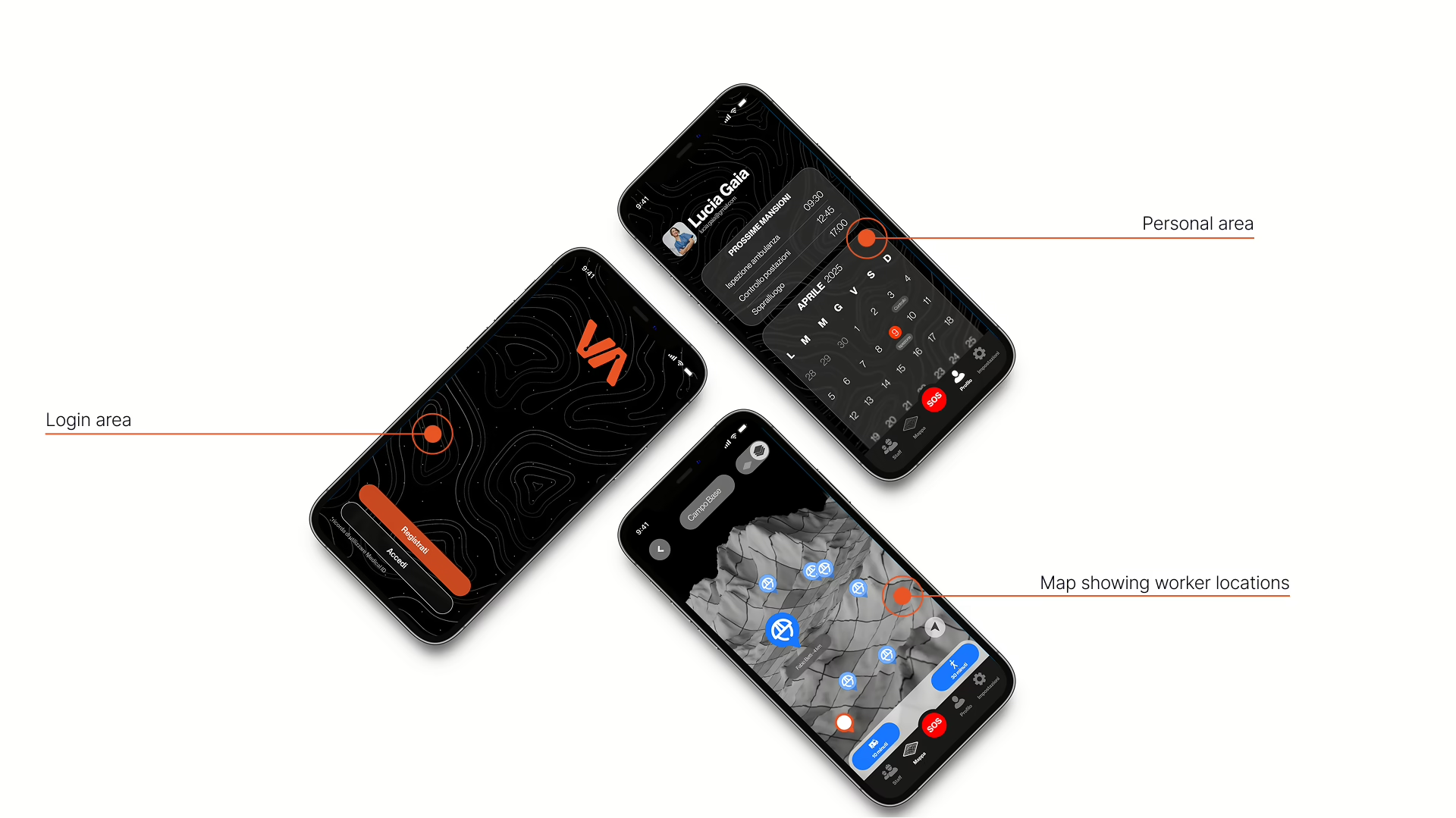
The app follows the same emergency on the phone: the alert and the call to 118, the route to the worker, their health data and medical record, and a map with every worker on site.
Type, colour and components
The visual language shared by the visor interface and the app.
Neue Haas Grotesk Display
- Black
- 95
- Bold
- 75
- Medium
- 65
- Roman
- 55
- Orange Flame #EA5426 RGB 234, 84, 38
- Davy's Grey #525252 RGB 82, 82, 82
- White #FFFFFF RGB 255, 255, 255
- Outer radius, px
- 44
- Inset, px
- 10
- Inner radius, px
- 34
Nested corners stay concentric: the inner radius is the outer one minus the inset.
The glass effect behind the interface panels.