


Space.Poncho
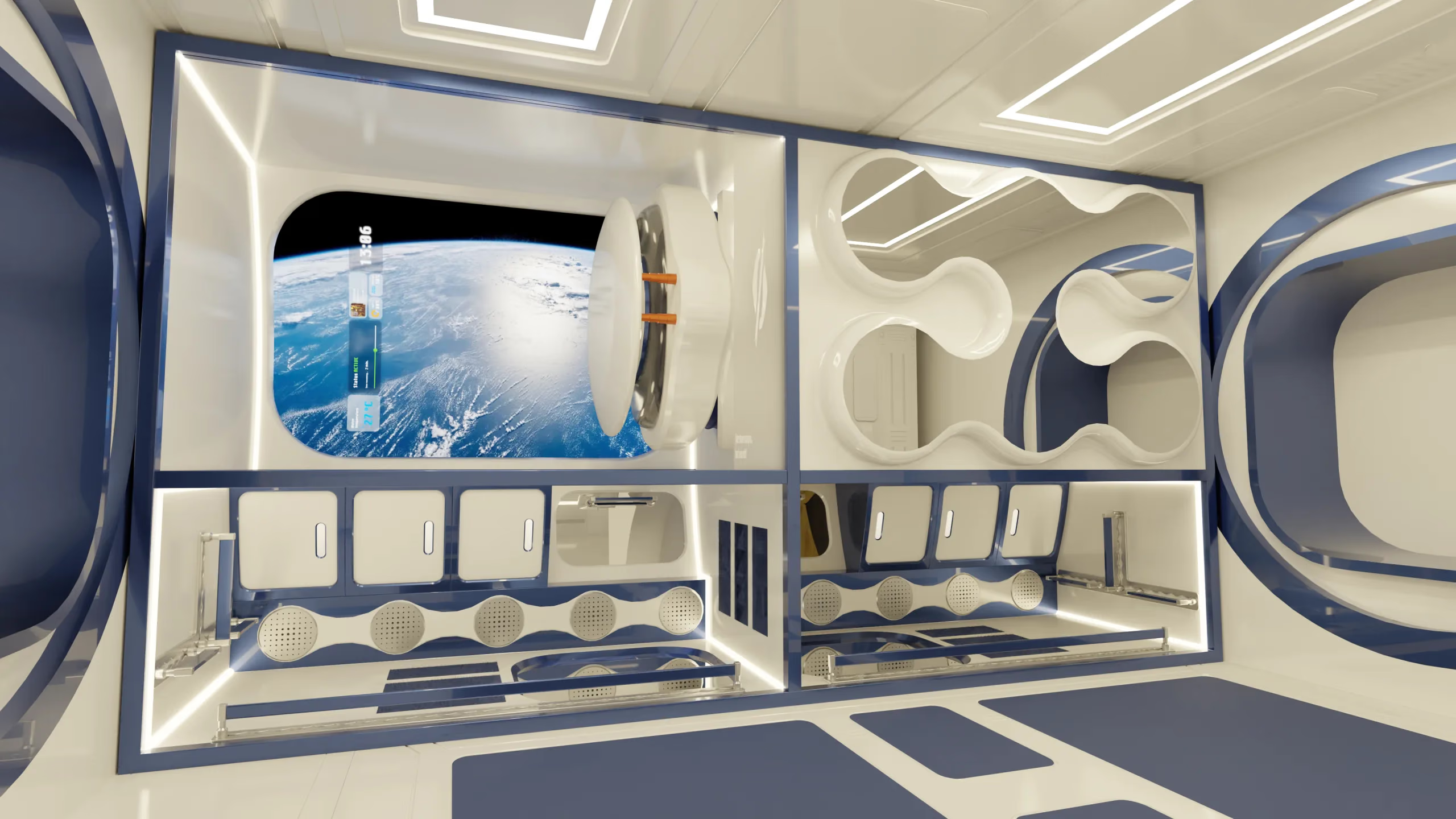
A sealed washing space that unfolds around one astronaut, and a sponge that pulls the water back as it is used. On the ISS there is no shower: Space.Poncho gives that missing room back, and folds it away afterwards.


In orbit water does not fall.
Washing without gravity
The International Space Station has no shower and no room set aside for washing. Astronauts use wet wipes and rinse-free shampoo, and dry their towels by hand. Water does not run off: it clings, floats away in droplets and ends up where it should not, on instruments and in the air of a module everybody shares.
- Showers on the ISS
- 0
- no washing space at all.
- Height, mm
- 1870
- telescopic: it adapts to the astronaut.
- Footprint, mm
- 987
- the circle it takes on the module floor.
What came before
Skylab and MIR both flew a shower, and the zero-gravity concepts of the seventies went further on paper. They were abandoned for the same reasons every time: the water temperature is hard to hold, washing takes too long, and the droplets gather on the parts of the body you least want them on, then drift off into the cabin.
A room that was not there
Closed
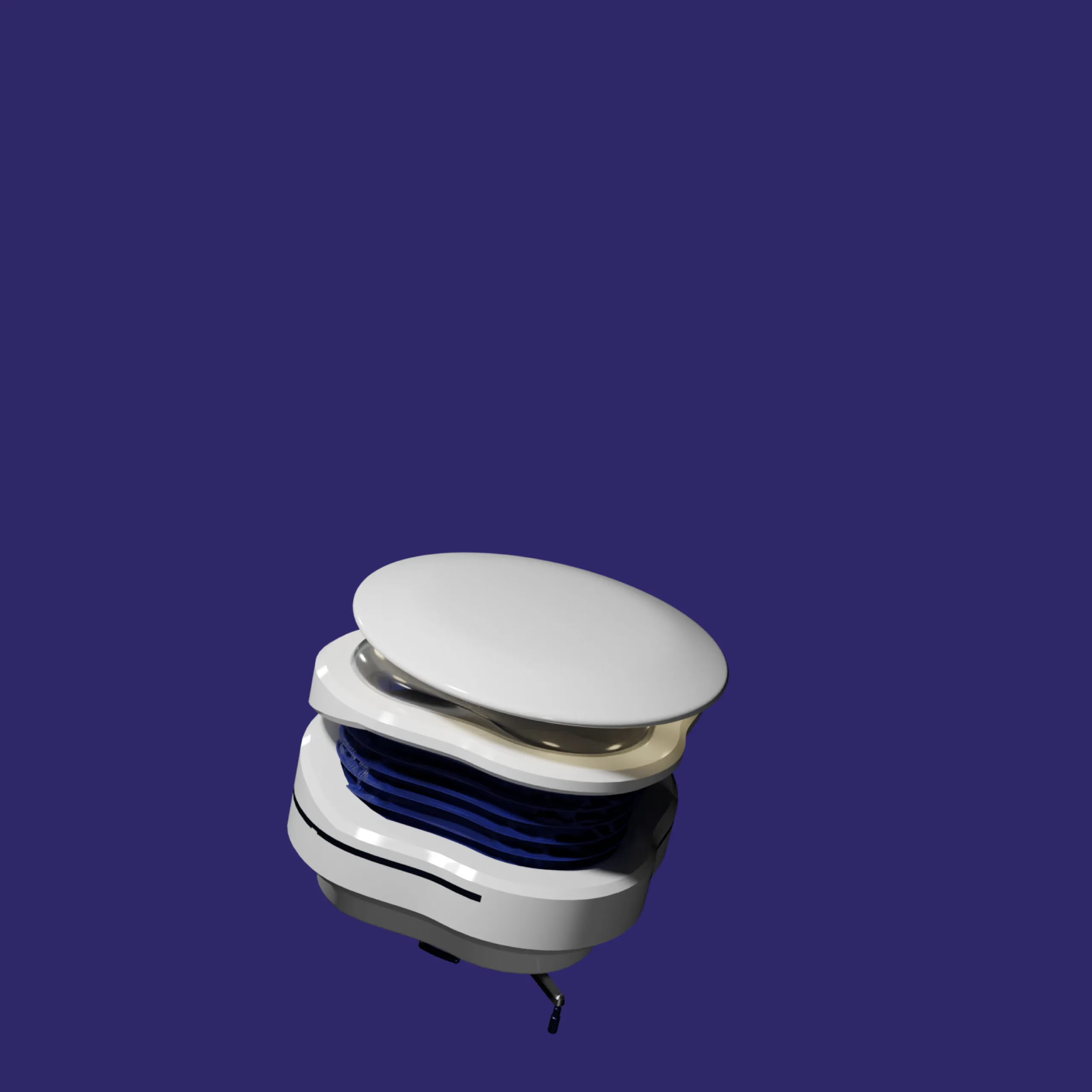
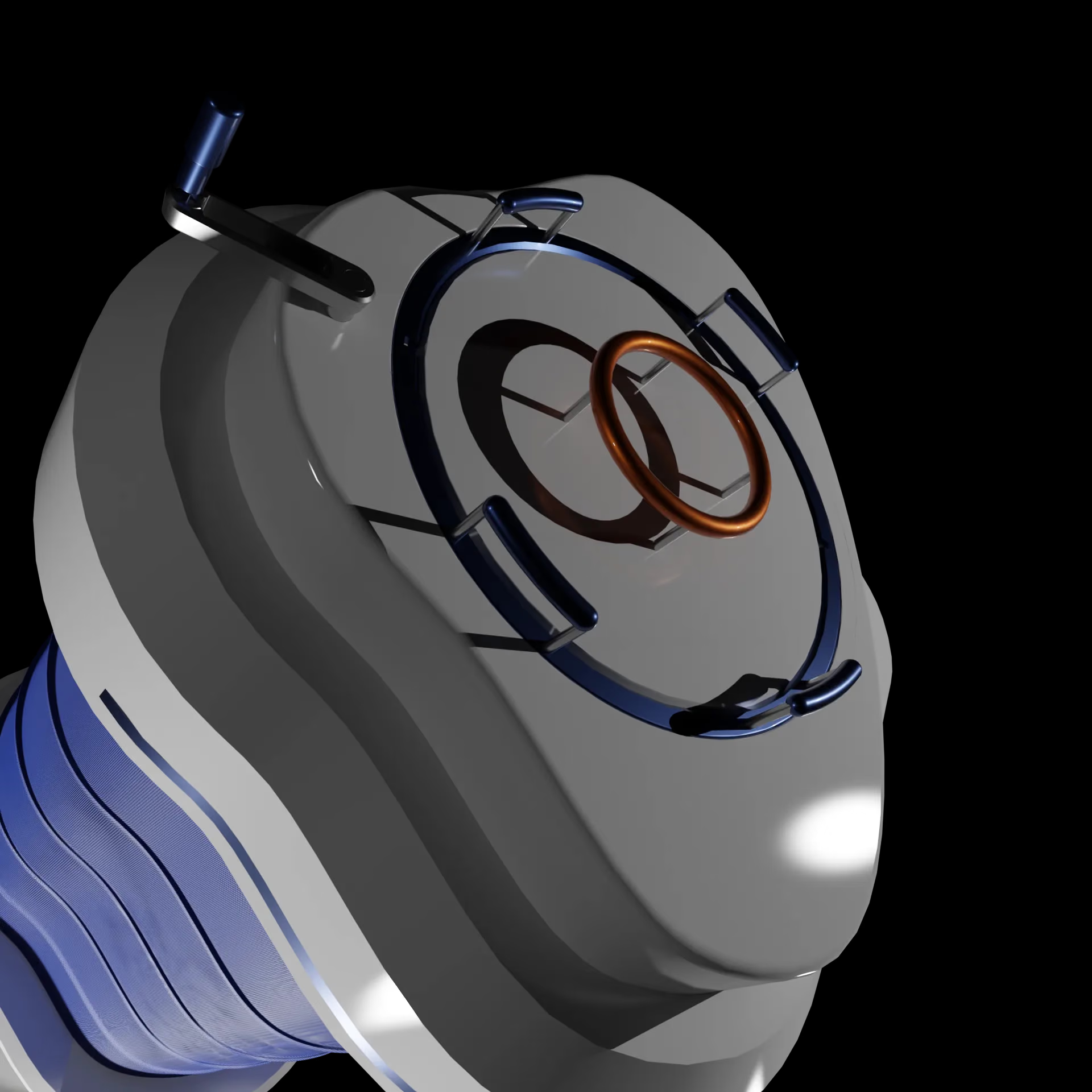
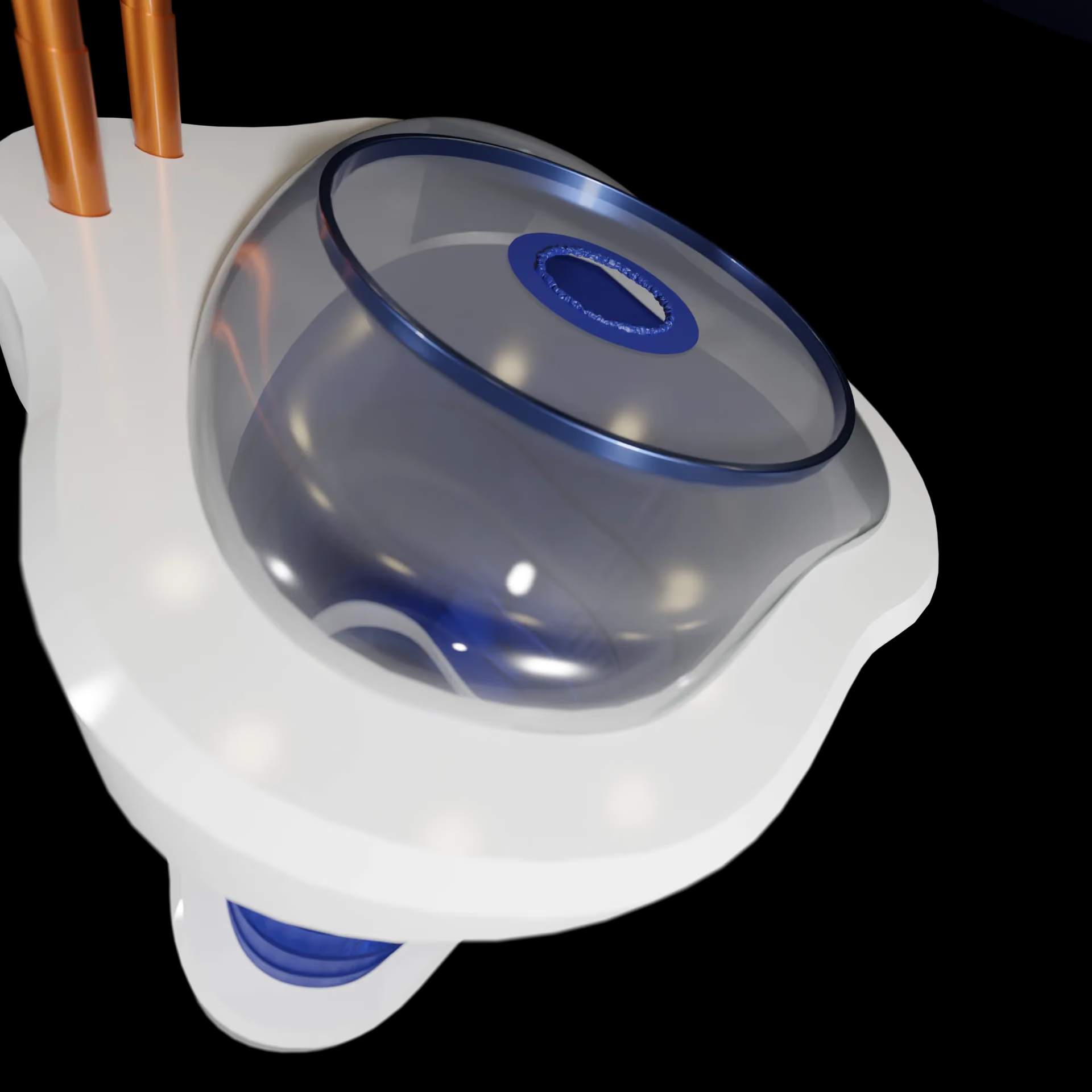
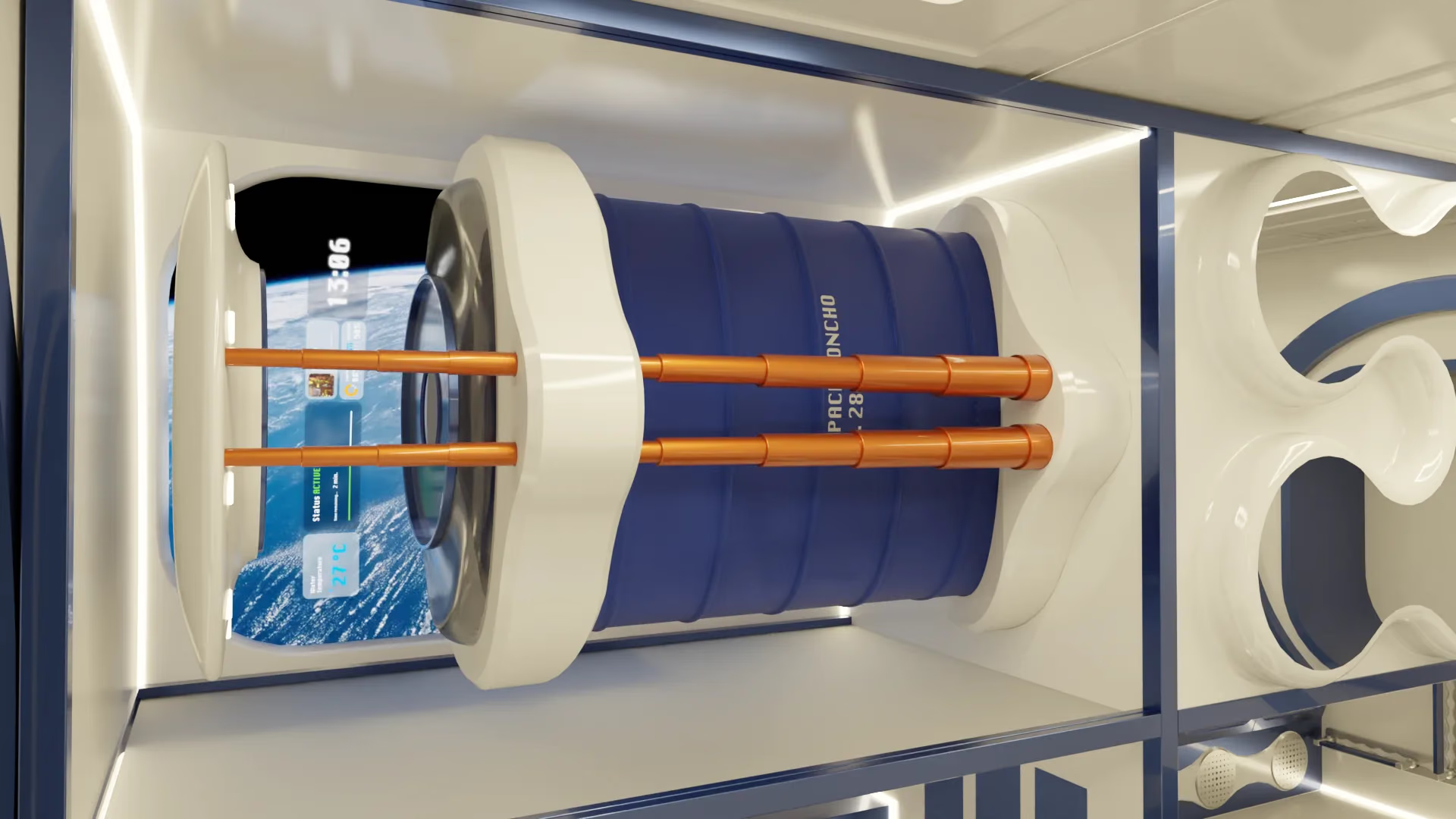
At rest the poncho is a disc on the module wall: a rigid shell holding the folded enclosure, the valves and the controls.
Opening
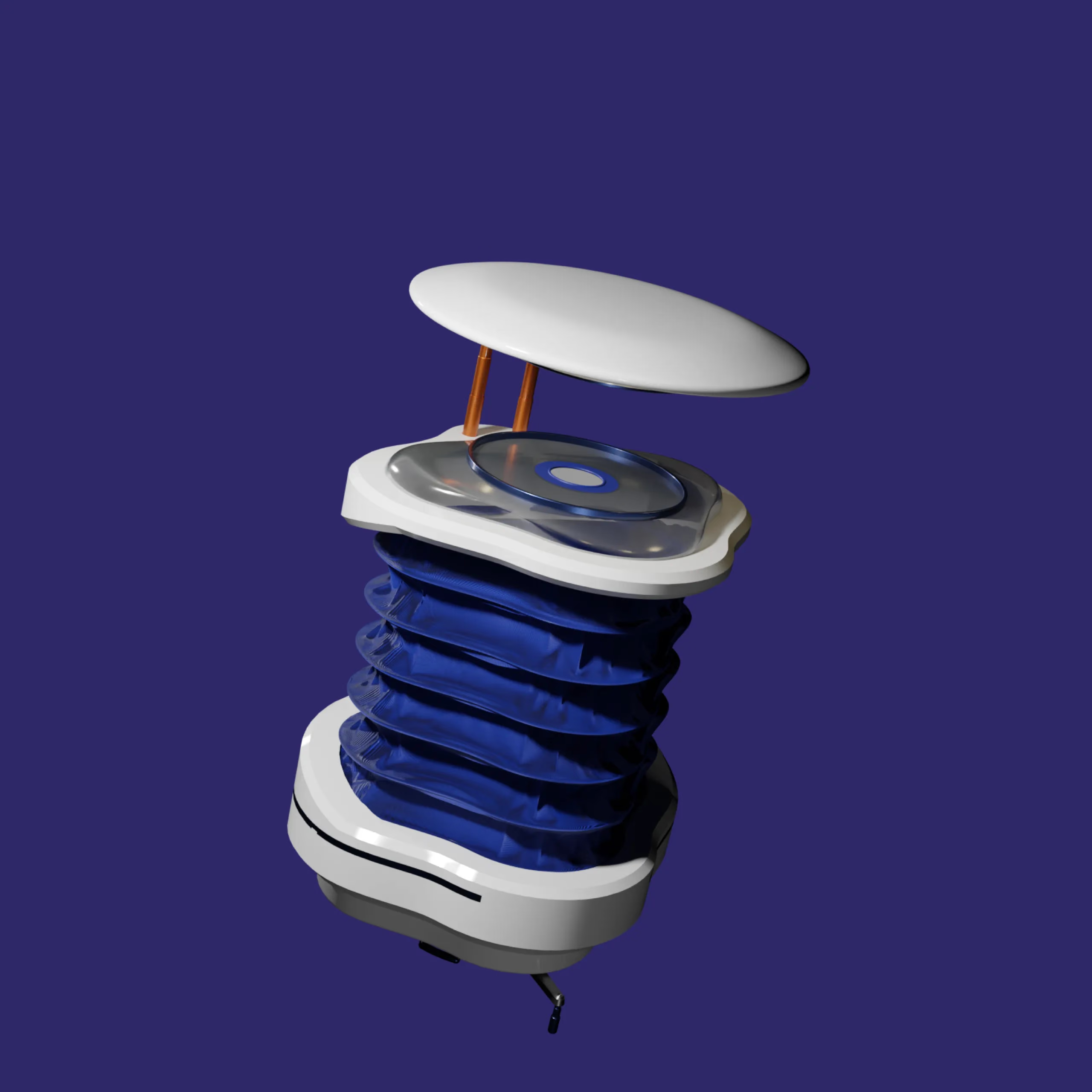
A telescopic frame lifts the shell and the fabric unfolds with it, up to 1870 mm, so the same object fits people of different heights.
Open
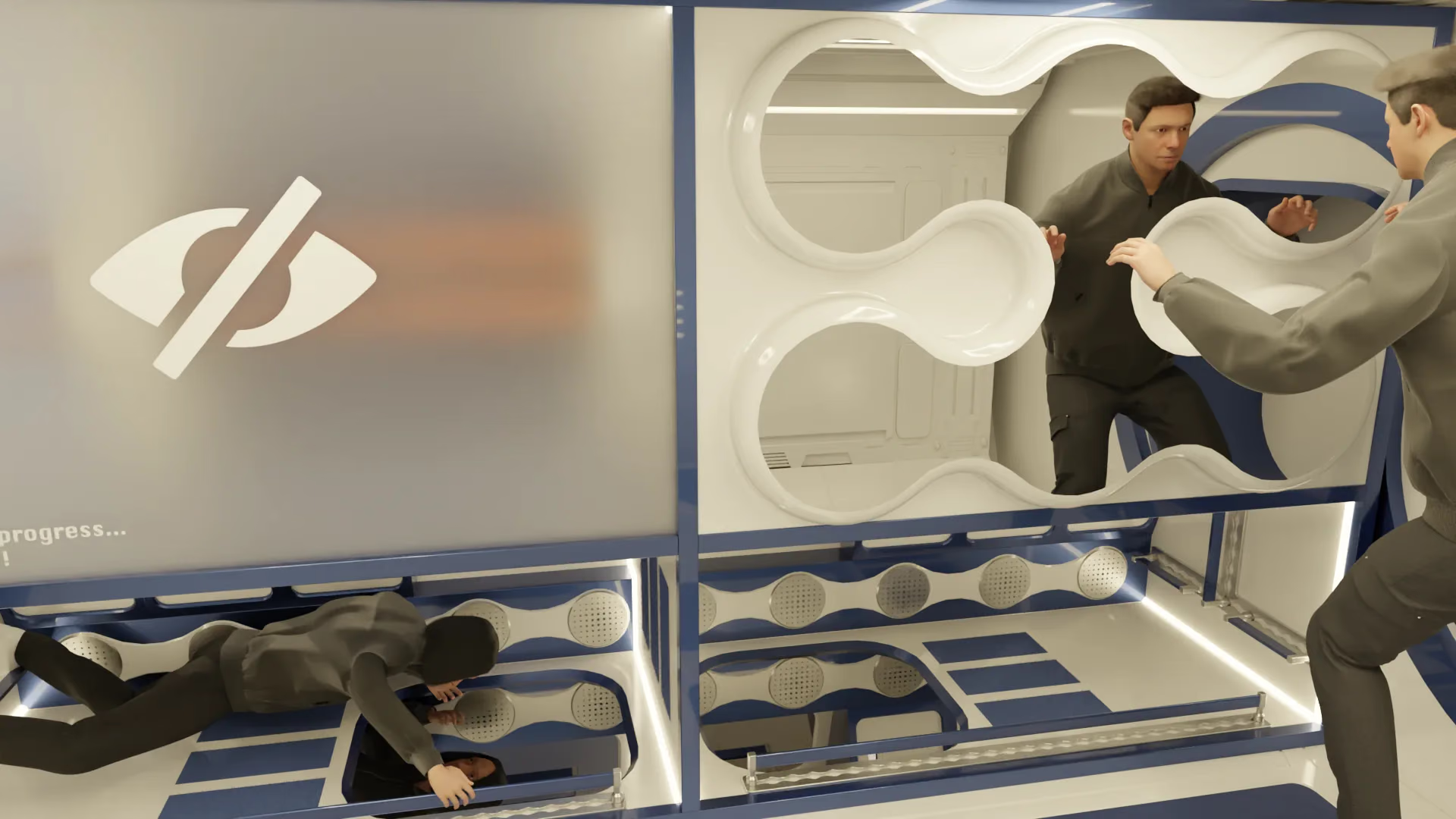
Sealed at the neck and at the feet, it holds the body steady in microgravity and gives one person a private place to wash, in a module made of shared corridors.
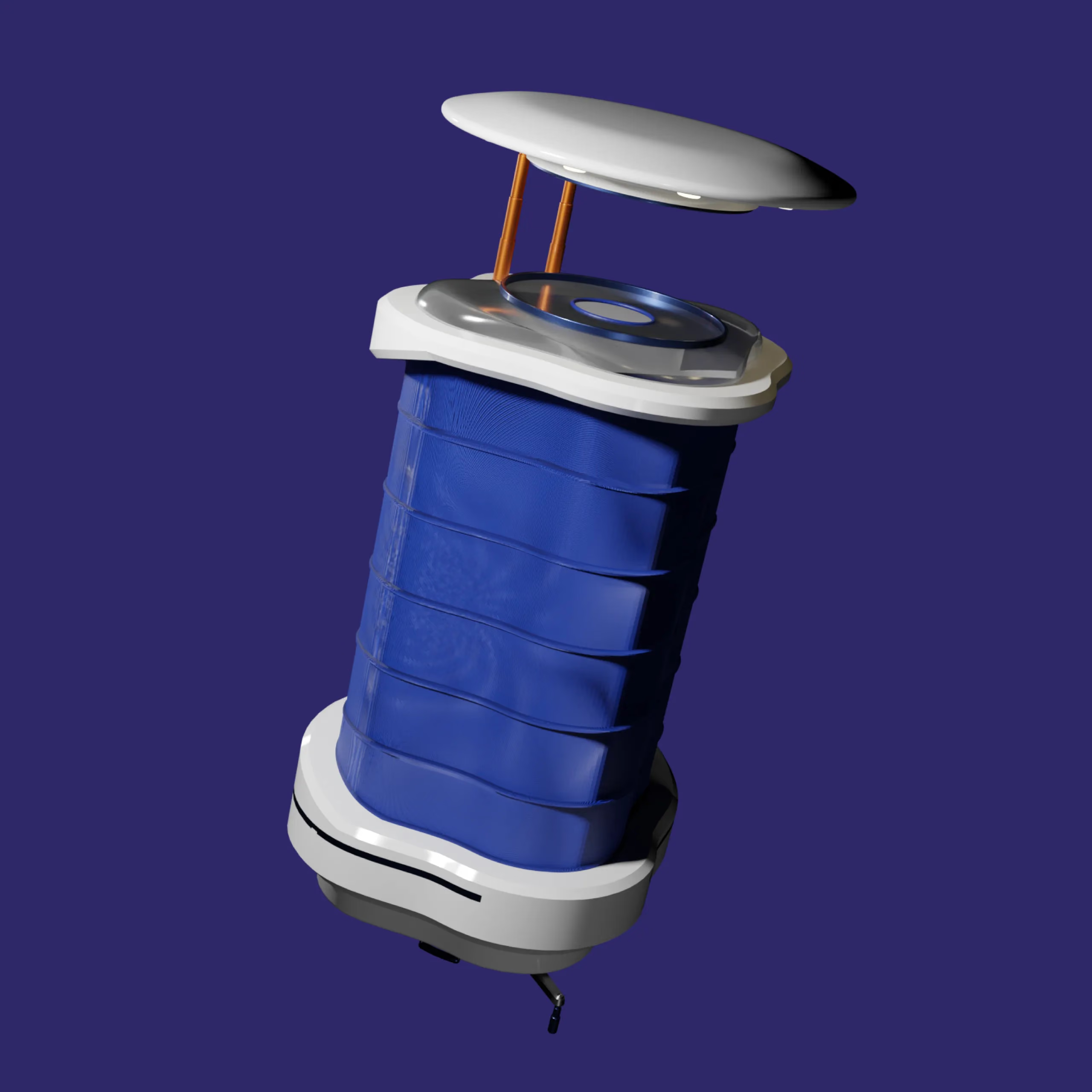
What keeps the water in
Inside, an air flow runs through the enclosure and catches the water that gets away, while non-thermal plasma, a technology we worked on with Jonix during the course, neutralises bacteria and smell. It is the same idea twice: nothing leaves the poncho, neither the drops nor what grows in them.
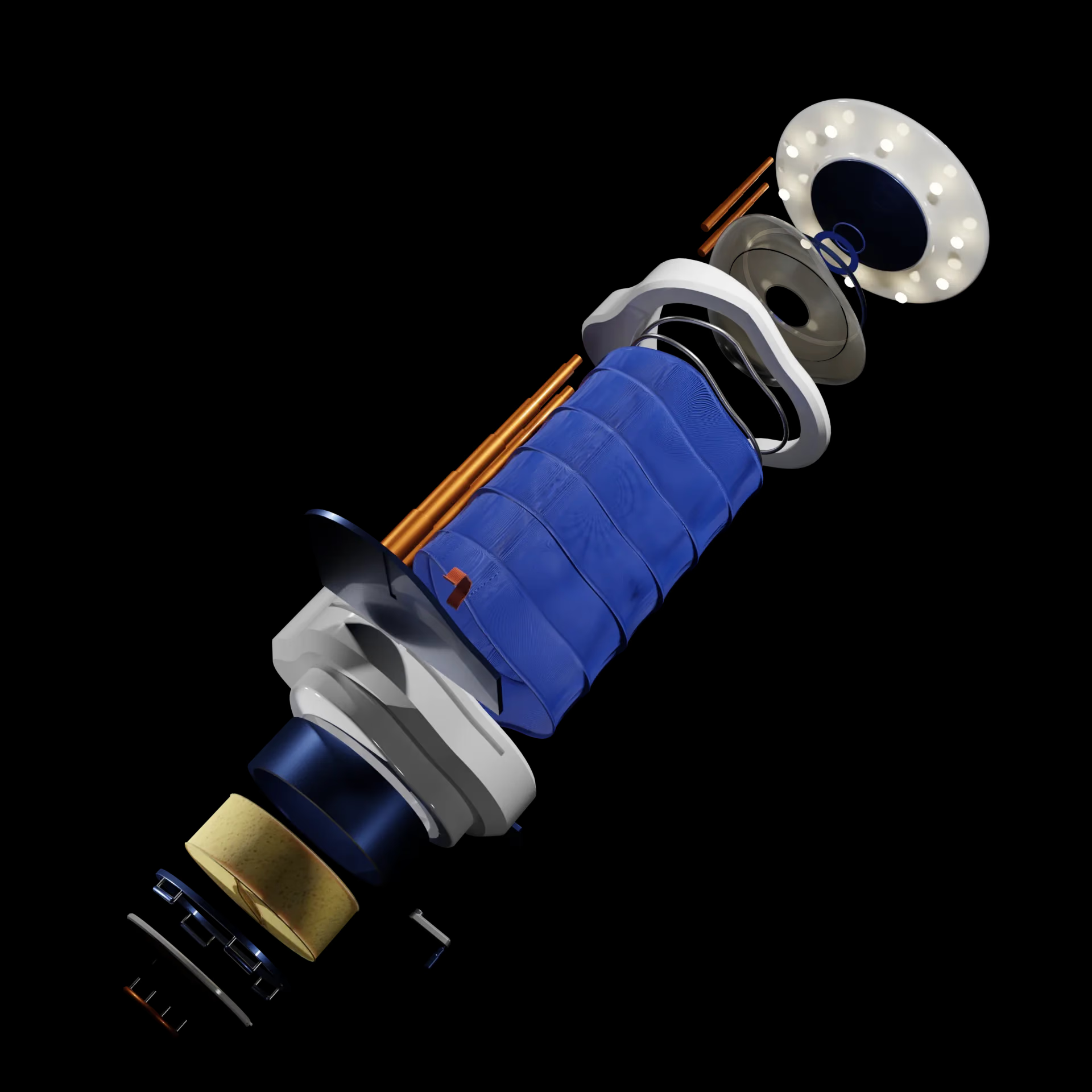
The water comes back
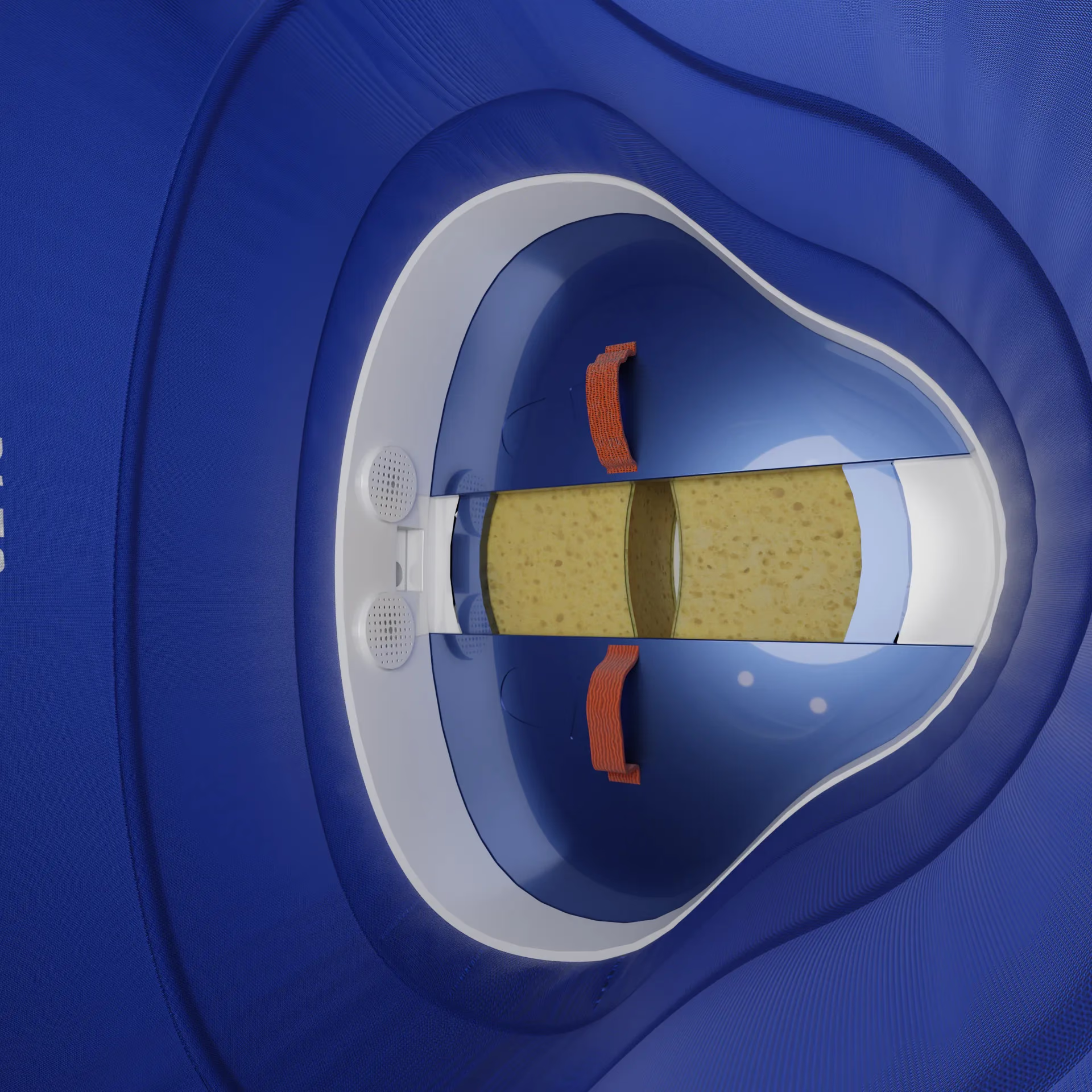
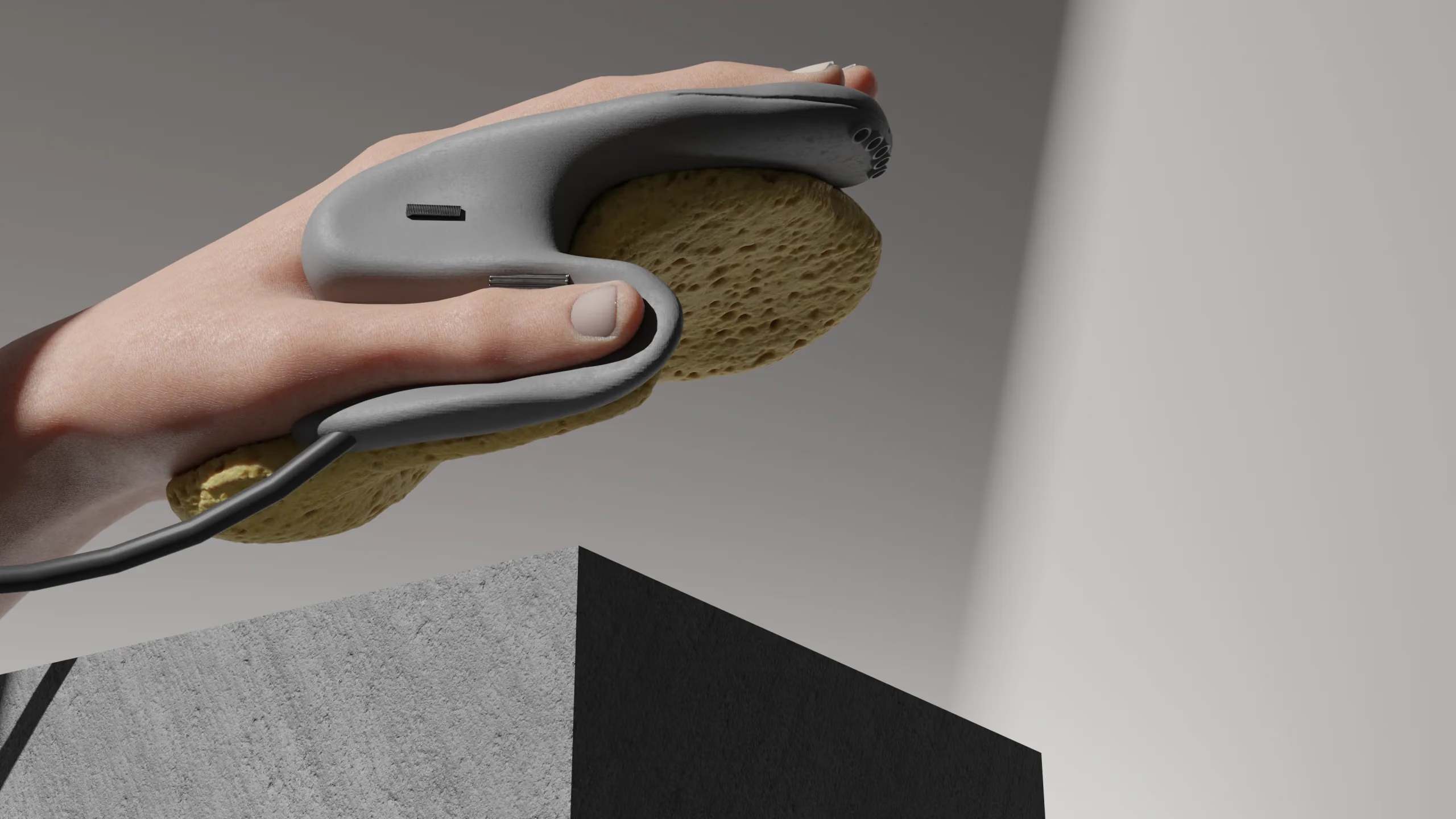
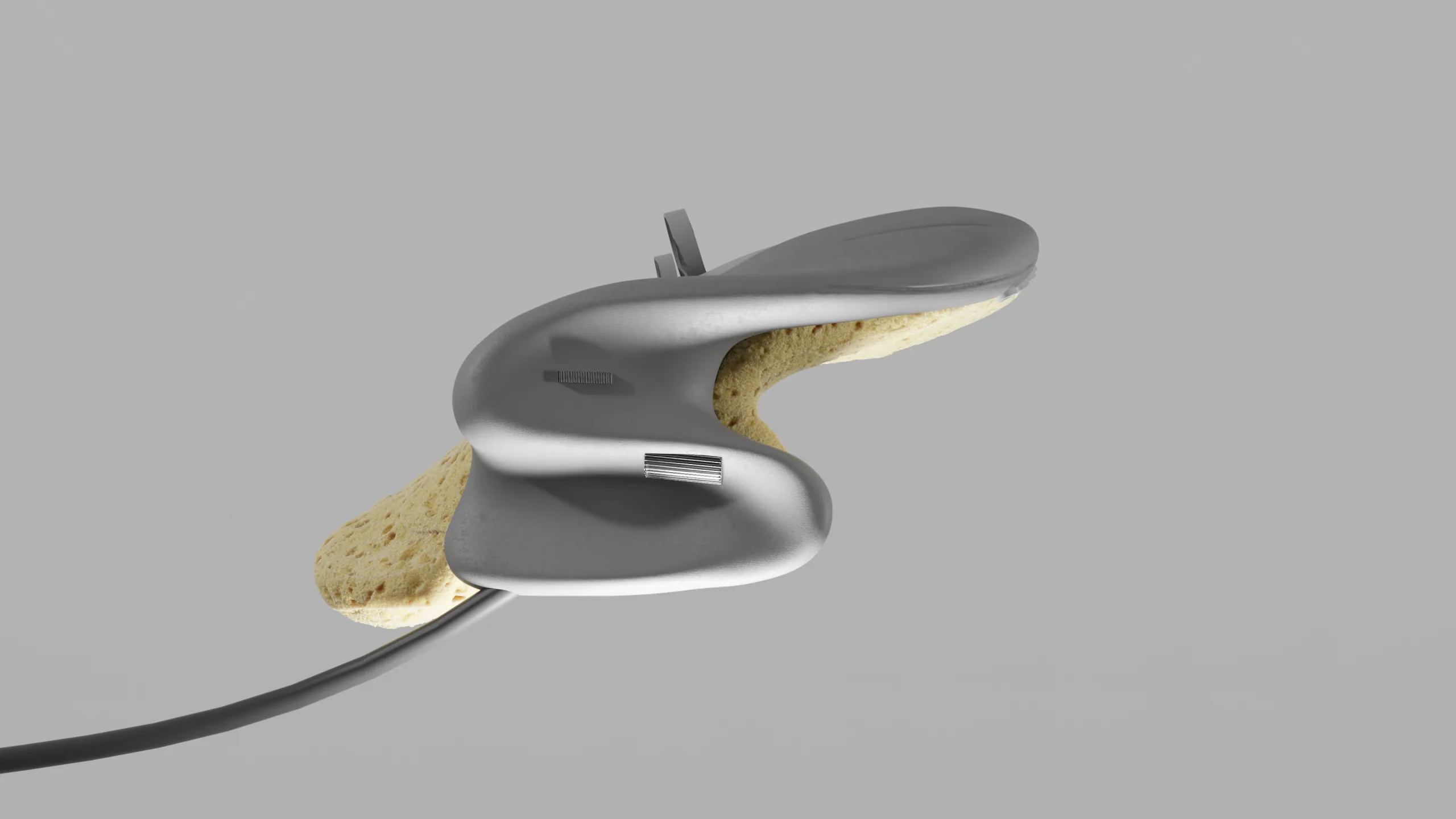
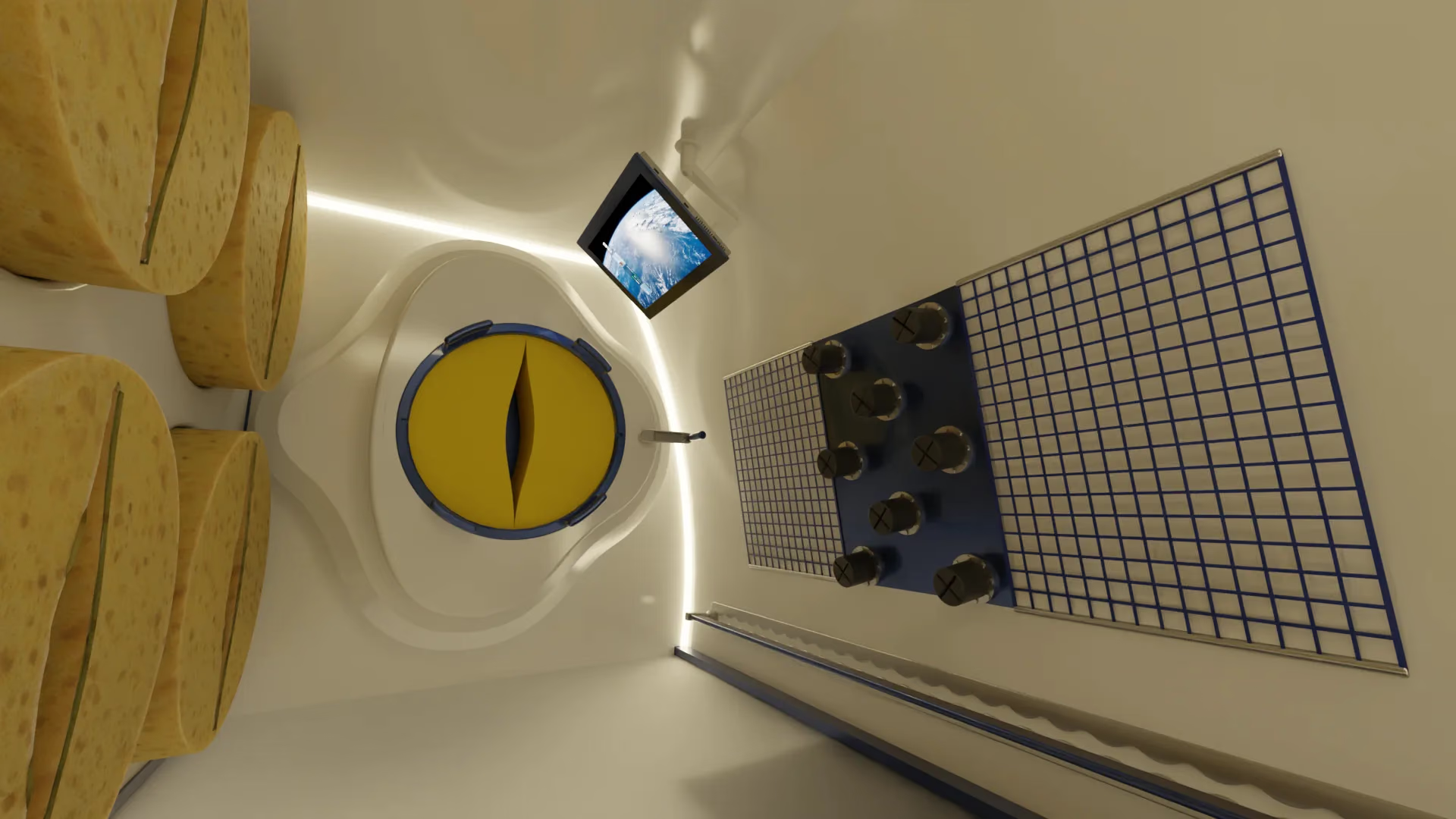
Space.Sponge is what makes washing controllable: the water is drawn back the instant it is used, so it never has time to become a problem. It is held in the hand, and every astronaut has their own.
-
01
Suction valves
They draw the water back as it leaves the sponge.
-
02
The sponge
Interchangeable and personal: it holds the water instead of letting it float.
-
03
Controls
Tactile buttons for temperature, jet, light and music, under the thumb.
-
04
Screen
It shows what the thumb is setting, without letting go of the sponge.
Where it lives
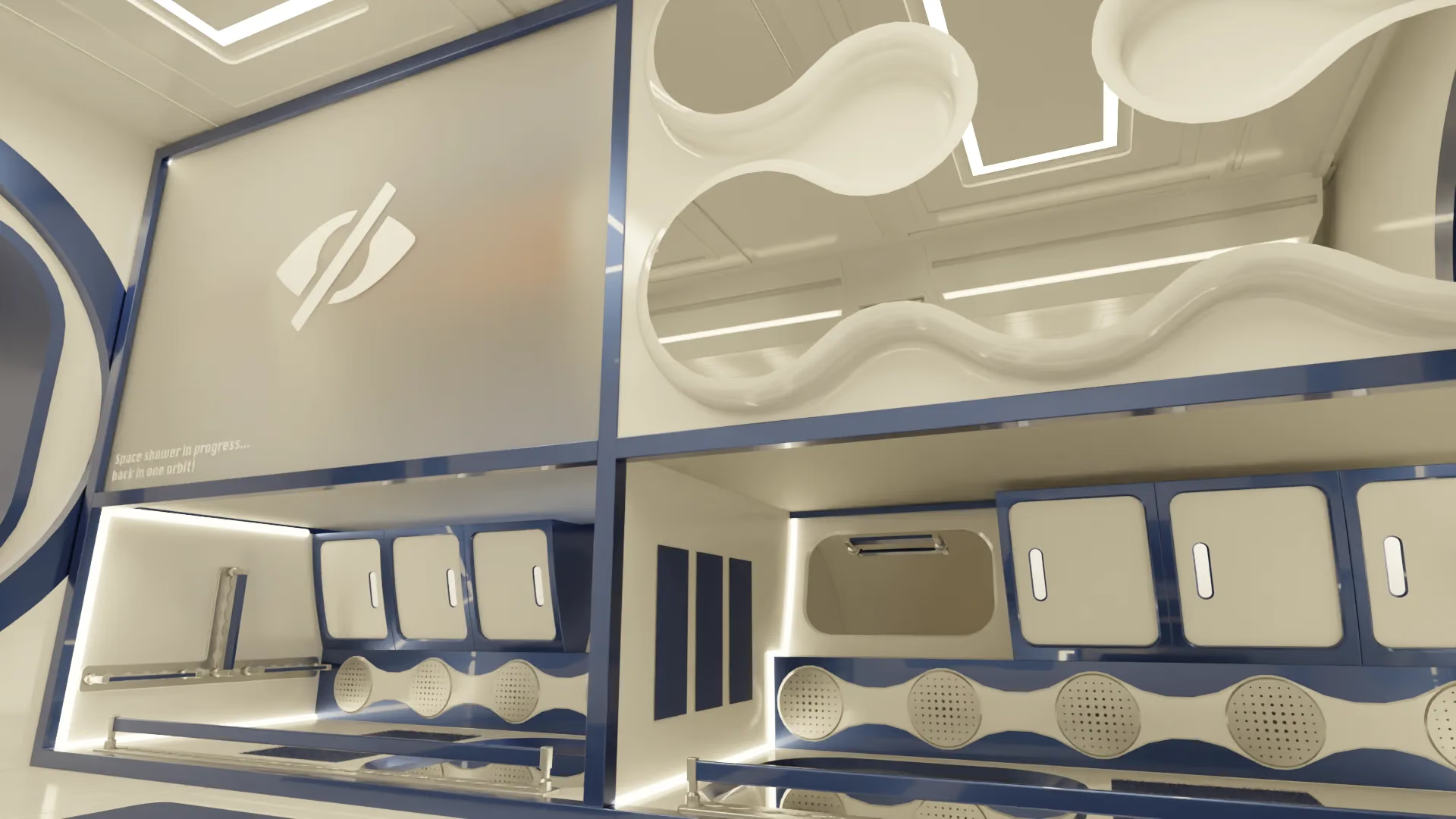
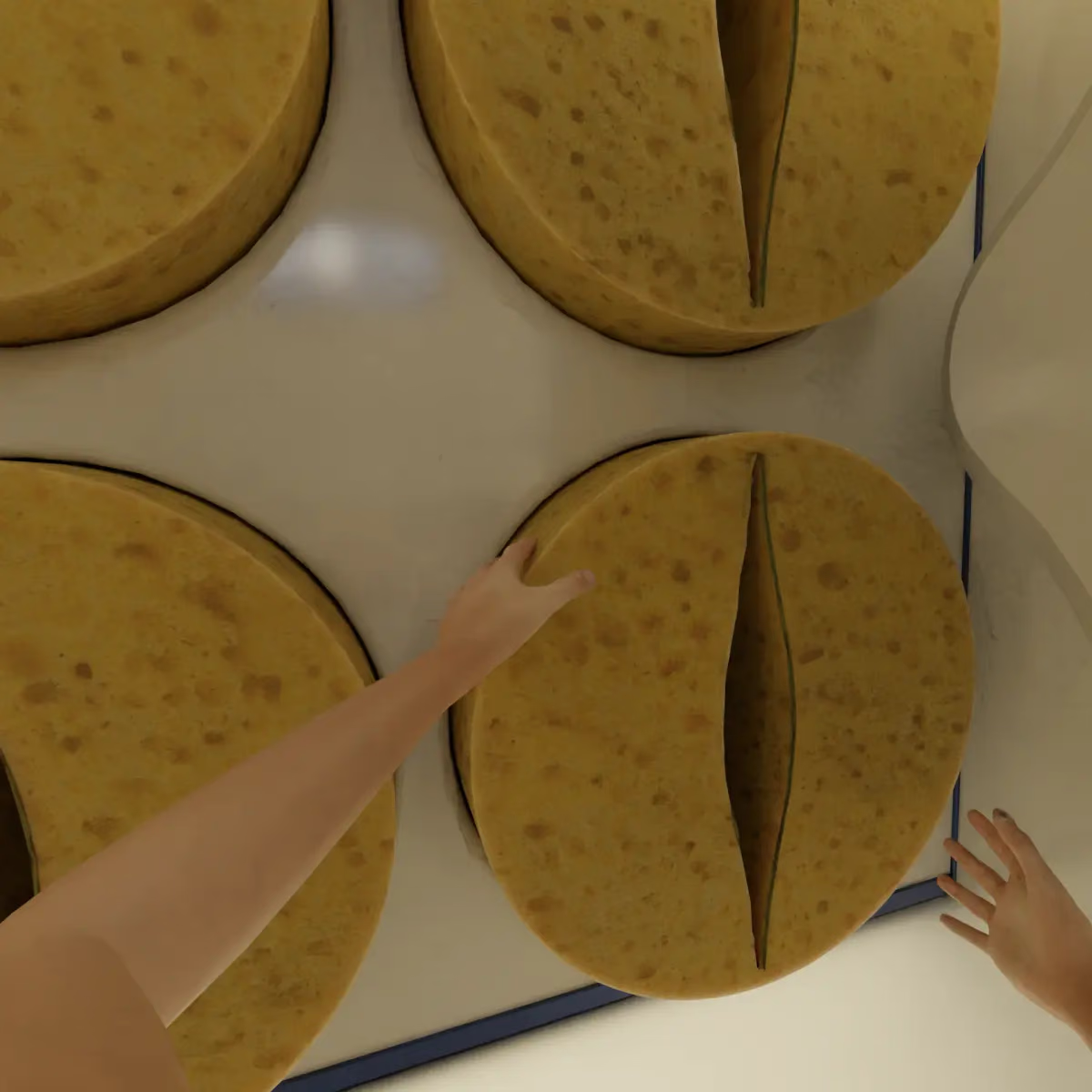
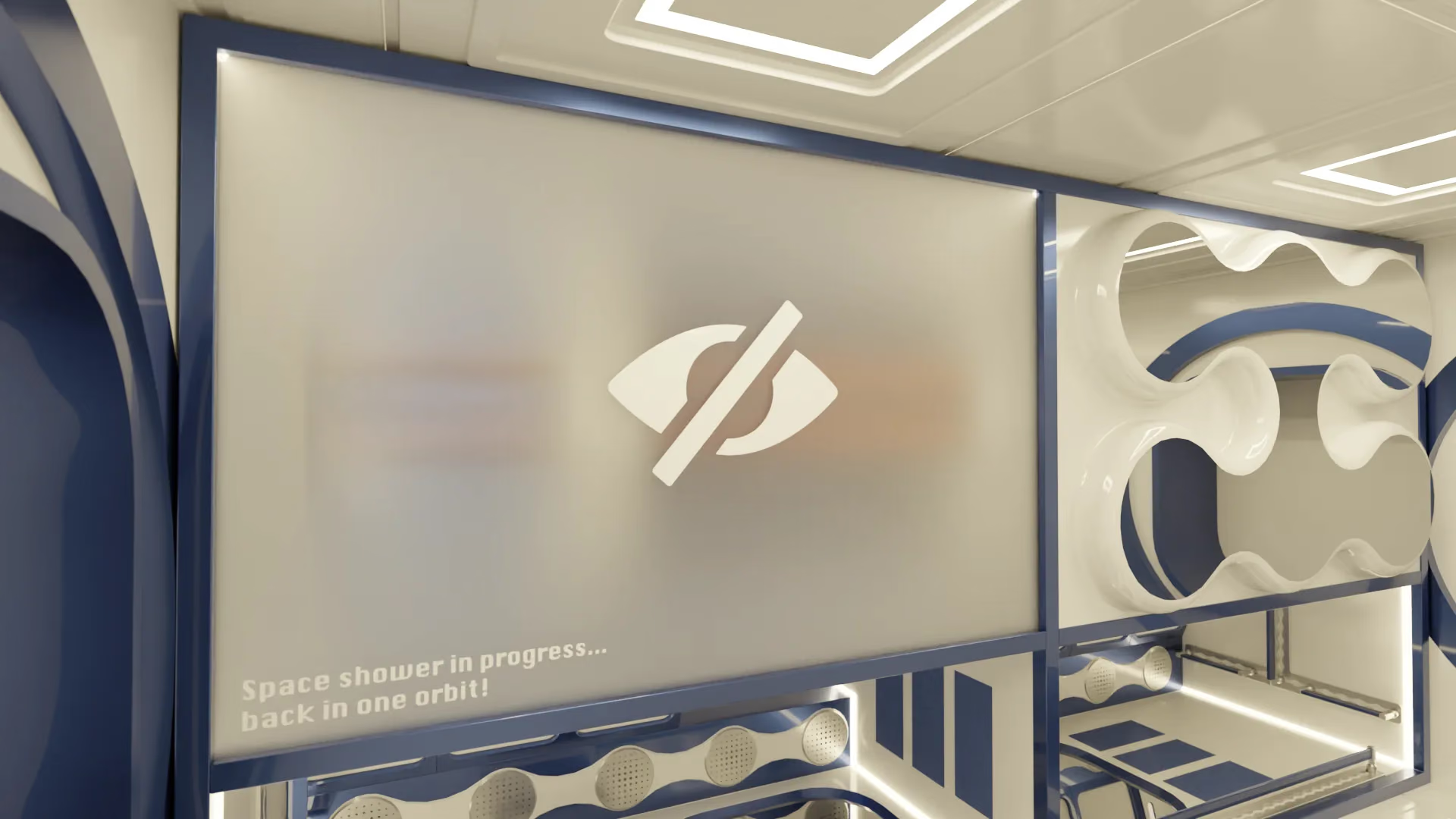
The poncho stays on the wall of a module everyone crosses, next to its water tank, and takes the floor only while it is in use. A sign on the panel says so: the washing space exists for as long as it is needed, then the corridor goes back to being a corridor.
Materials and systems
Three families of material do three jobs: hold up to radiation and wear, fold without tearing, and breathe. They are the project's targets, not the result of a qualification campaign. The project was developed for the Extreme Design course, with Thales Alenia Space and Jonix.
Rigid
- Structure
- Polyetherimide
- Frame
- Carbon fibre
- Shielding
- Polyimide
Flexible and porous
- Enclosure
- Kevlar and TPU
- Padding
- Nomex foam
- Requirements
- Impermeable, antimicrobial
Systems
- Air treatment
- Jonix NTP
- Water recovery
- Airflow and valves
One minute in orbit
The concept film: an astronaut's day in the station, and the shower she is waiting for. It has sound and subtitles, and it lasts a minute.