


Halia
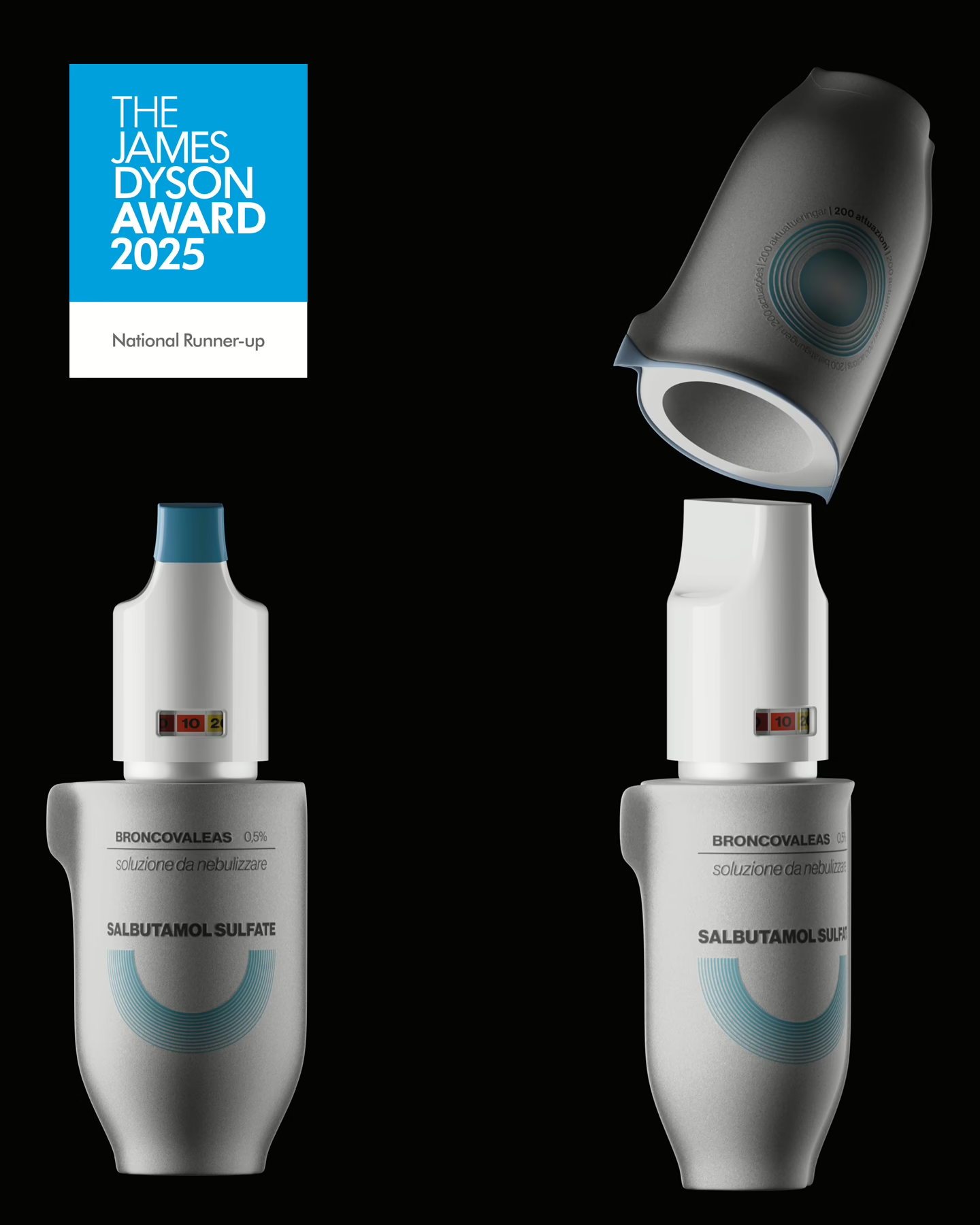
An inhaler system for asthma: a molded pulp shell, a reusable mouthpiece and an app that guides each dose. A university project developed with G.D, and national runner-up at the James Dyson Award 2025.


The routine first
Before drawing any part, we drew the whole routine as a storyboard: opening the pulp shell, loading the vial, taking a dose. Each gesture on the object was sketched together with its screen in the app.
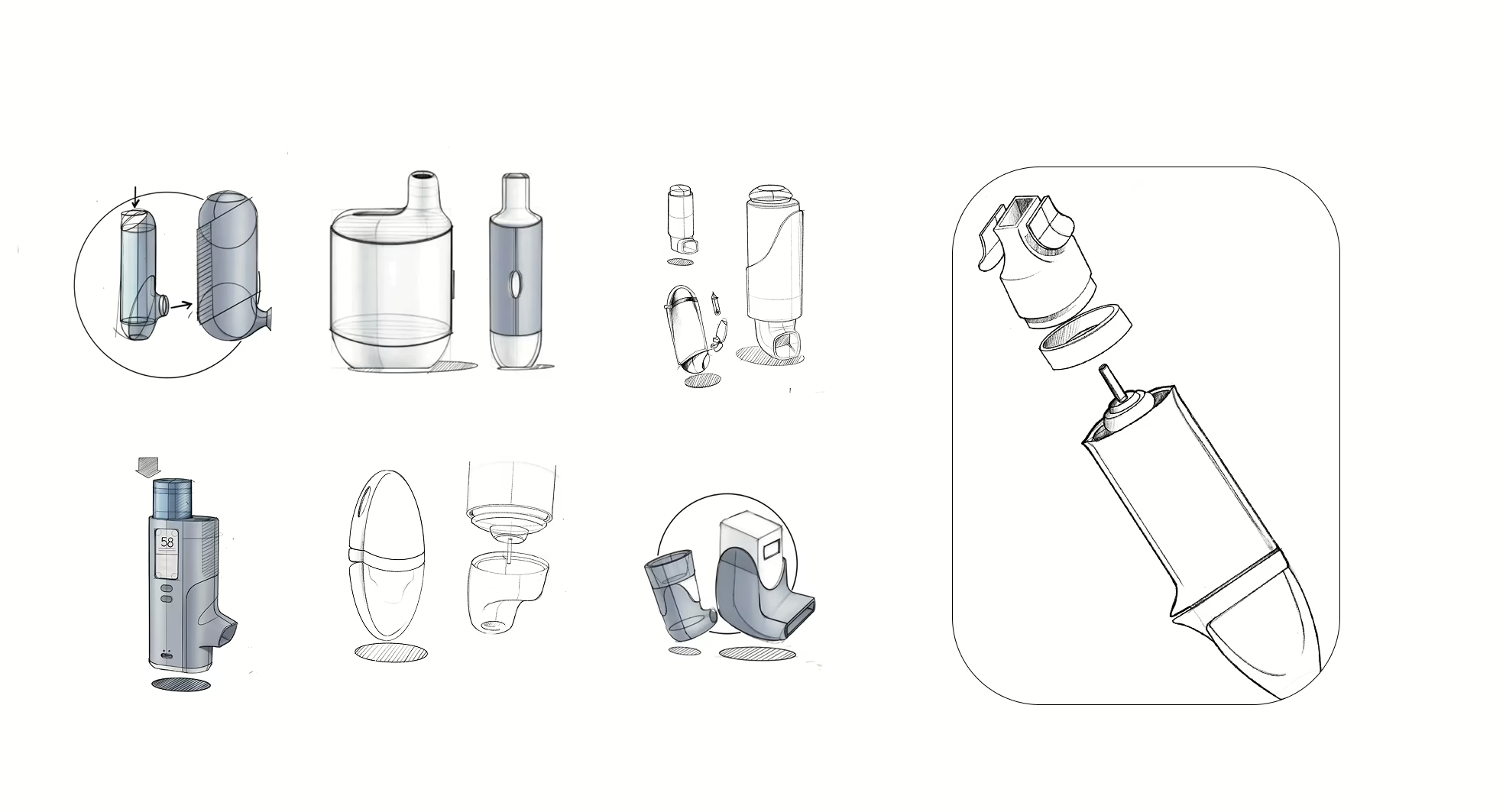
Storyboard and first ergonomic studies.

The pulp shell
The shell had to hold the vial and still be paper. We tested organic binders, from corn starch to rice, and pressed wet pulp into 3D printed molds with clamps until the shell held its shape.
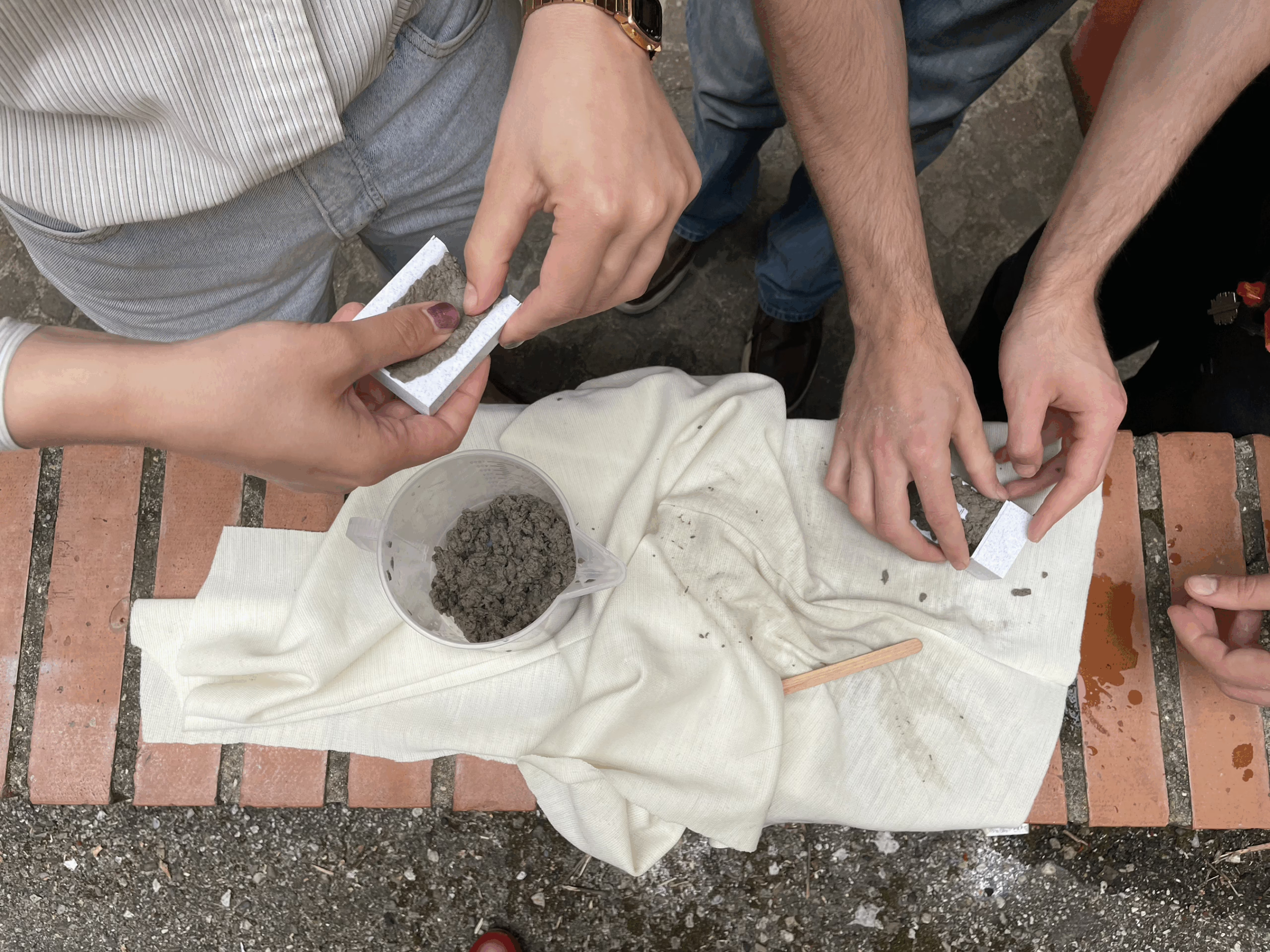
Organic binders
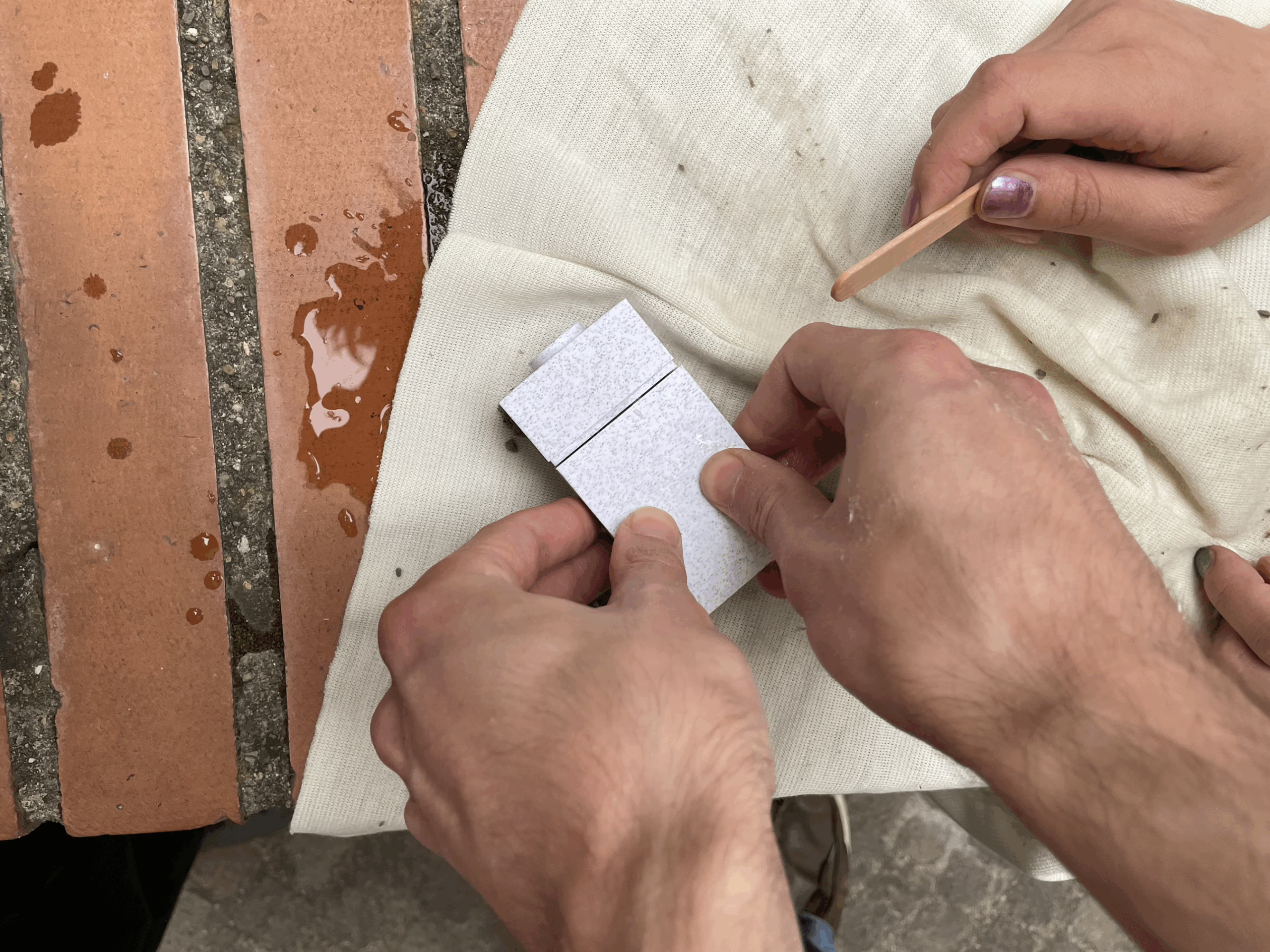
3D printed molds
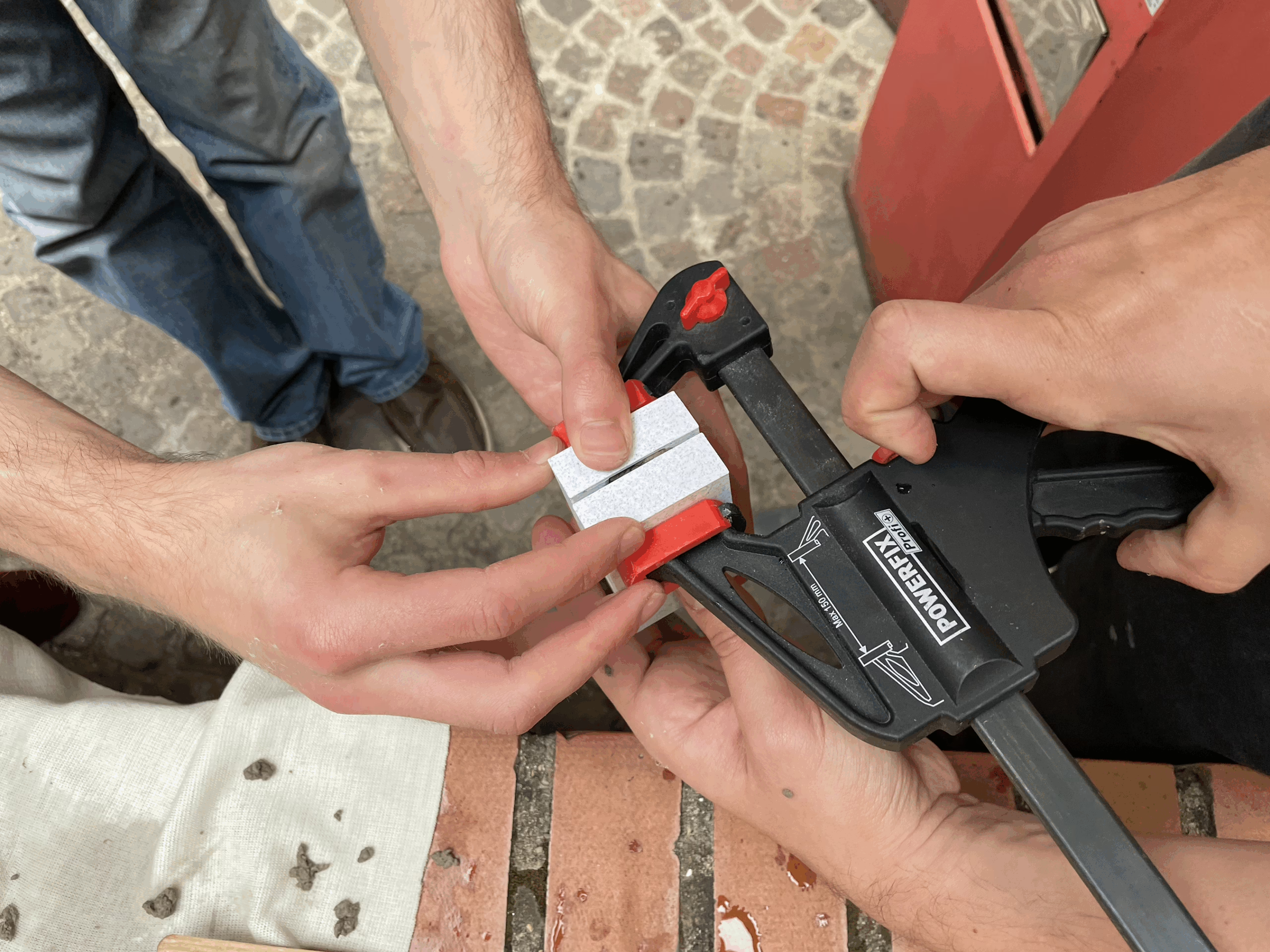
Pressing the pulp
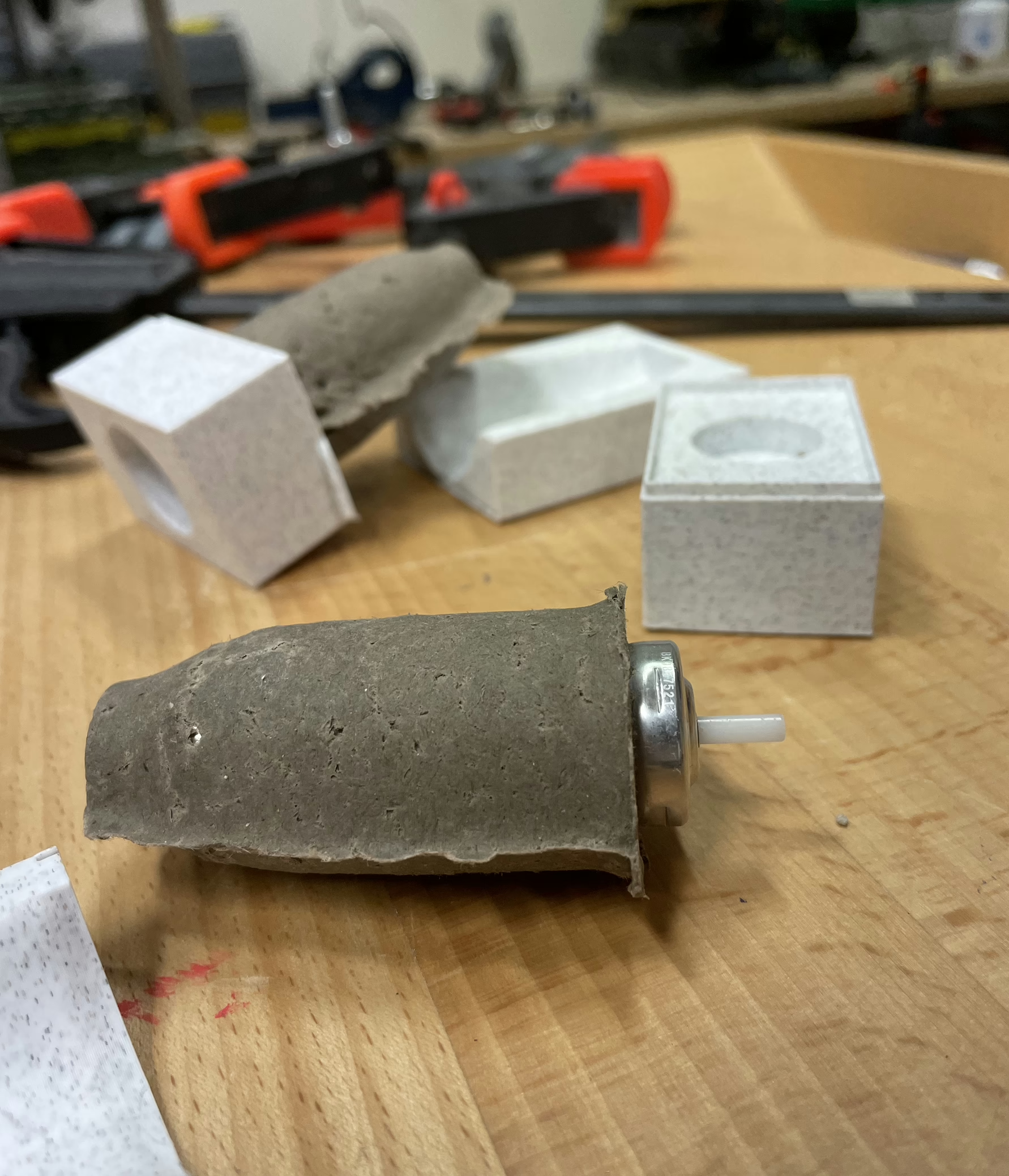
The raw shell
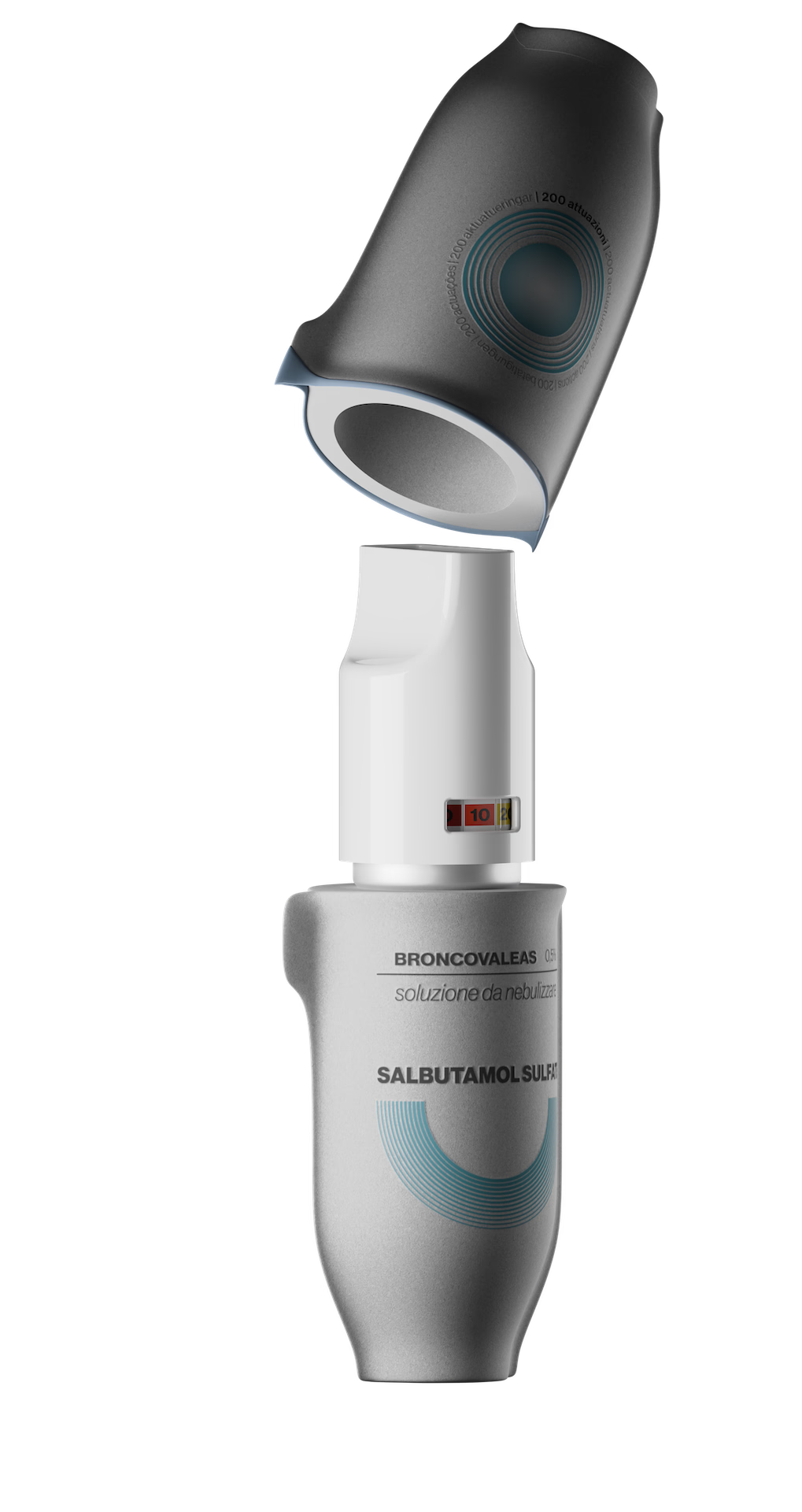
What stays, what goes
The inhaler splits into a part that is thrown away, a part that is kept, and a part that cannot change.
-
01
Molded pulp shell
The outer shell, in post-consumer molded pulp. It protects the vial and goes in the recycling.
-
02
Reusable mouthpiece
Designed in polyether-urethane, to be kept and sanitized in boiling water.
-
03
Standard vial
The aluminium canister and its valve are the ones already in use, so the drug and its approval do not change.
-
04
Less plastic
Single-use plastic drops from about 15 g to 3 g per device, by our estimate.
On the shell
What makes the pack safe to open and readable by everyone. All of it is in the design; the prototype has only some of it.
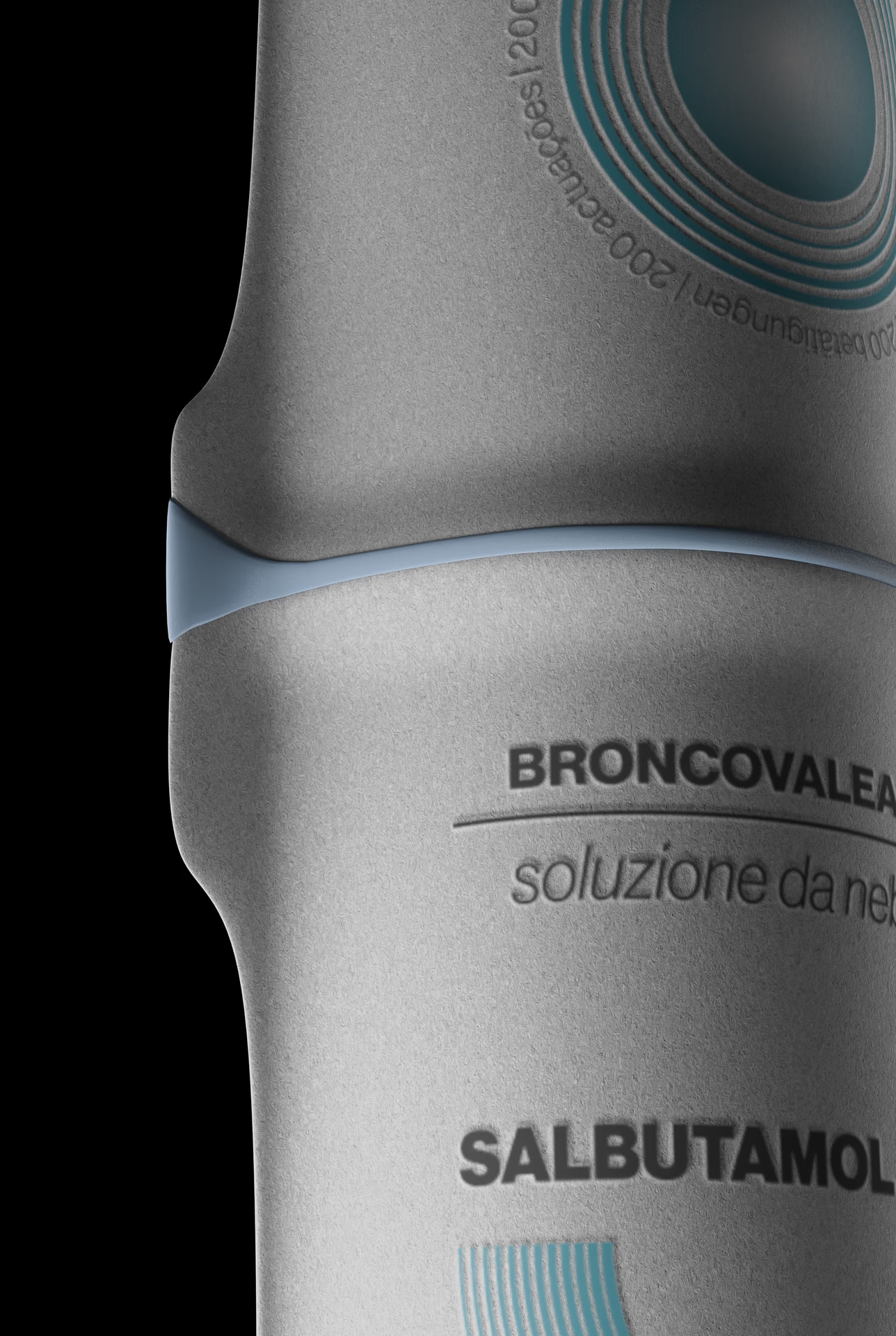
Tamper evident
A tear-off tab shows whether the pack has been opened.
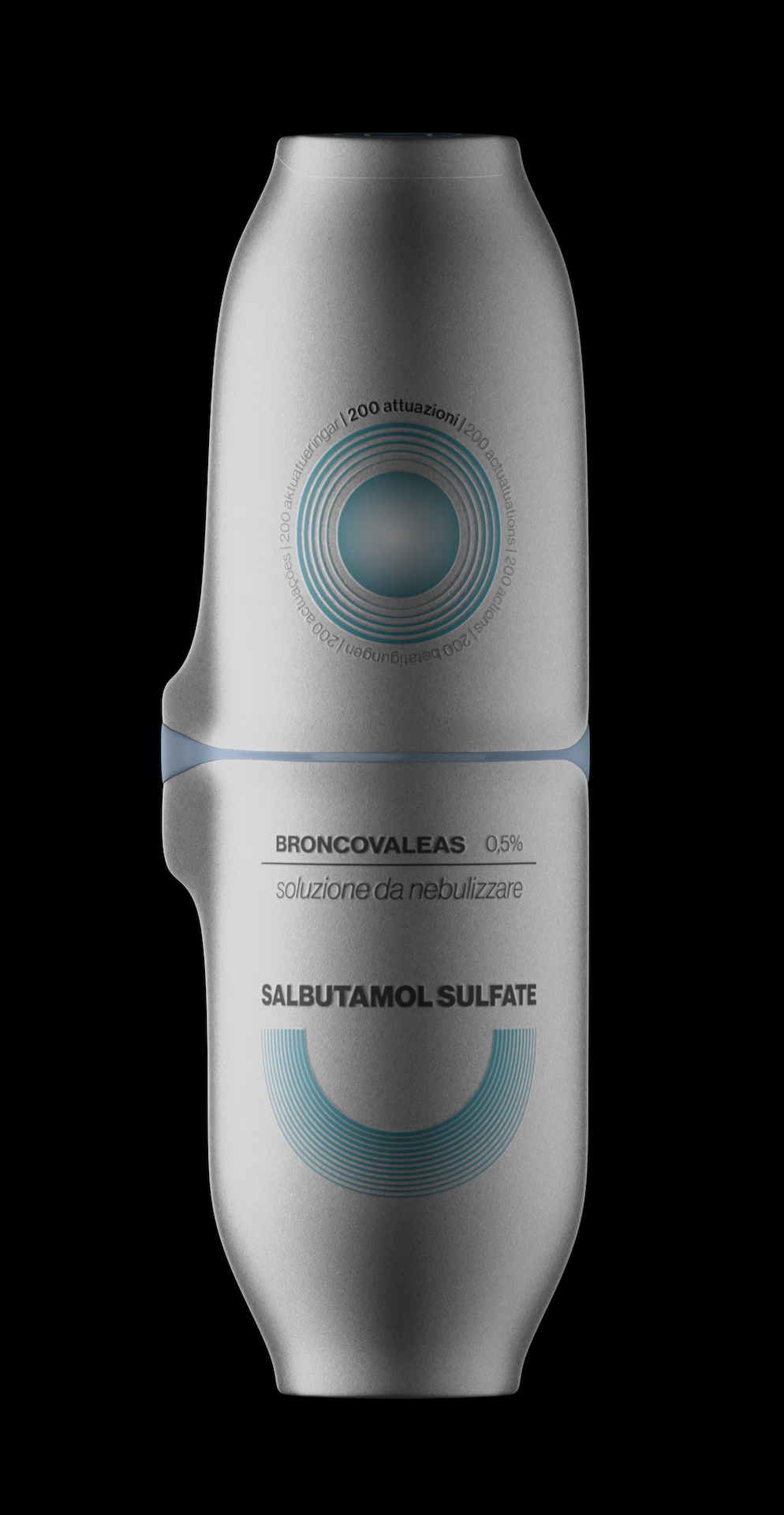
Embossing
The drug information is embossed into the pulp.
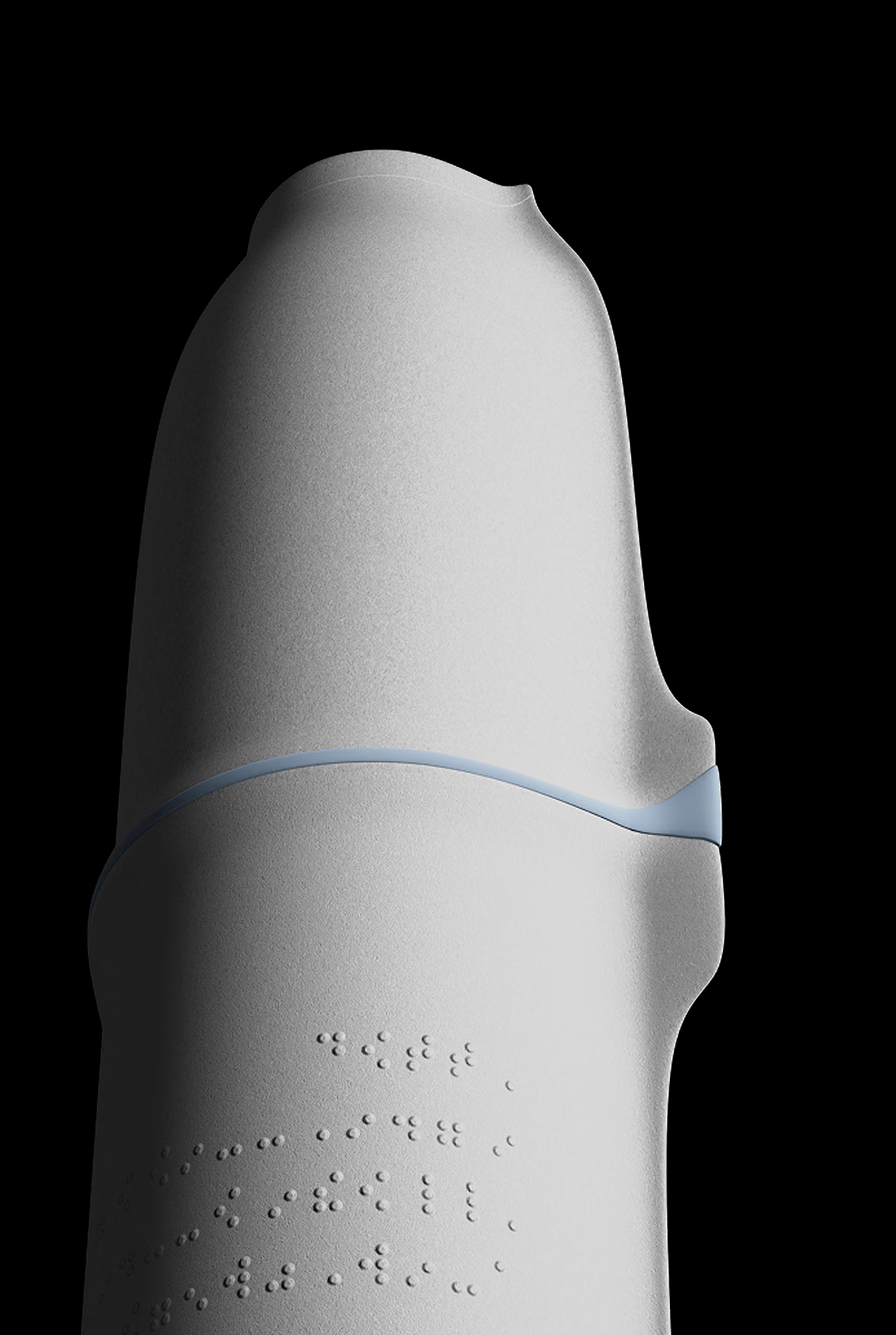
Braille
The same information, in Braille.
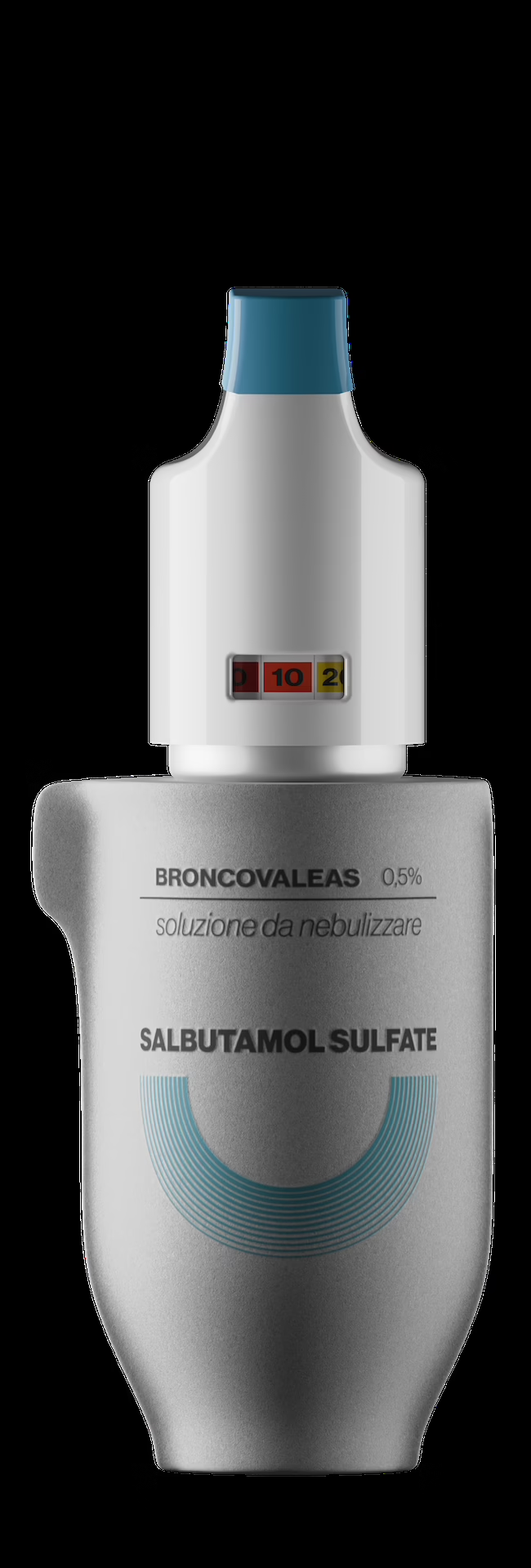
Cap and counter
A cap keeps the mouthpiece clean, and a counter shows how many doses are left.
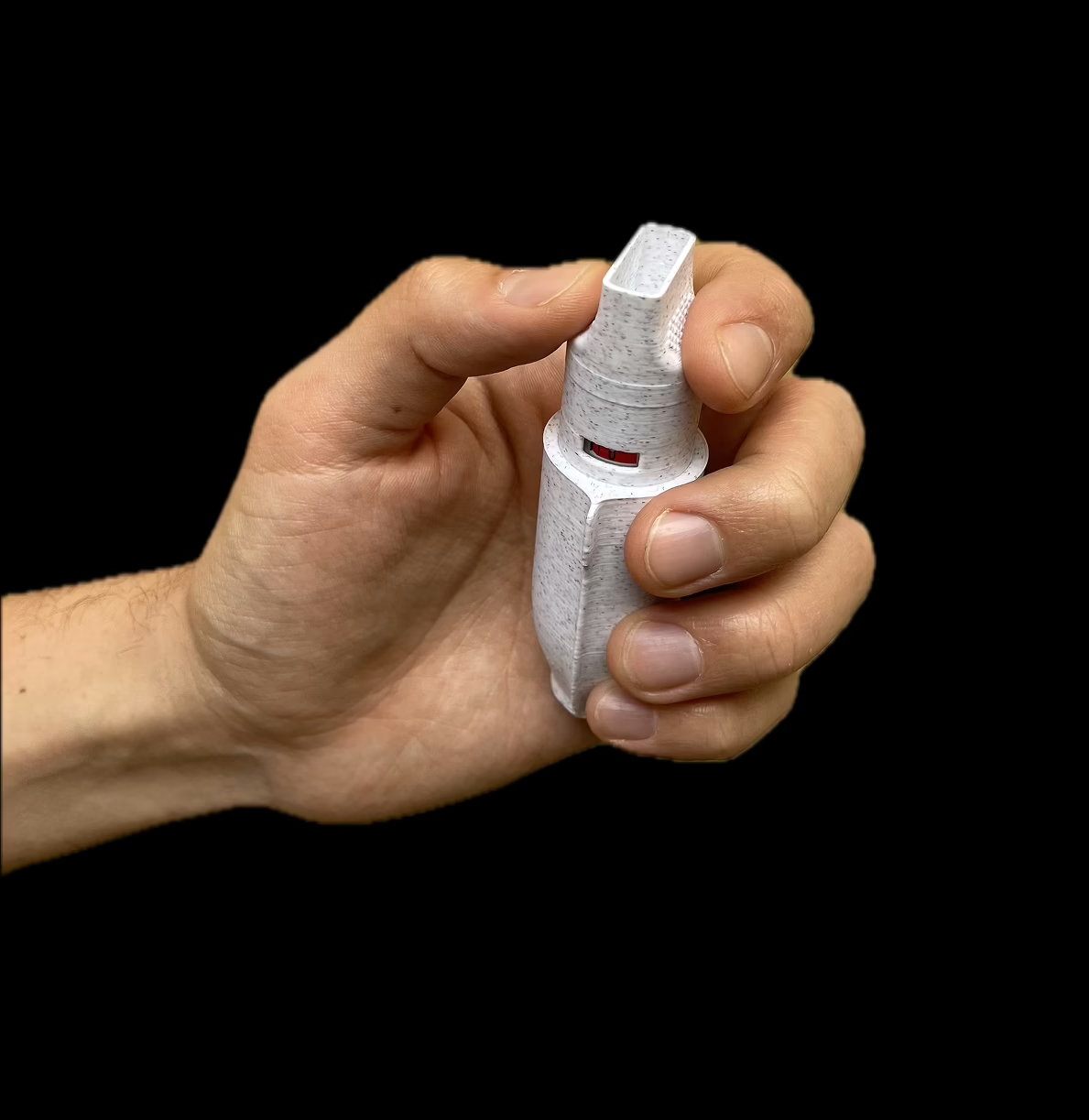
One hand
Small enough to use with one hand, in more than one grip.
The drug names on the renders are placeholders; we have no affiliation with the manufacturers.
Told apart by colour
The same system comes in three versions, and the colour of the shell says which one it is.
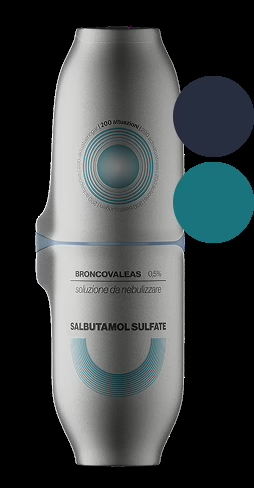
Relief
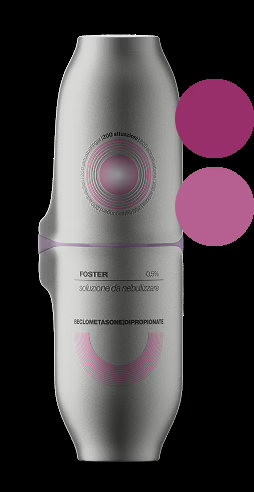
Preventive
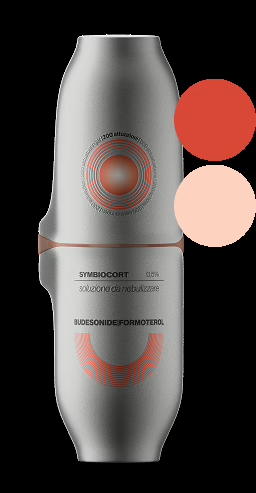
Combined
Halia Sync
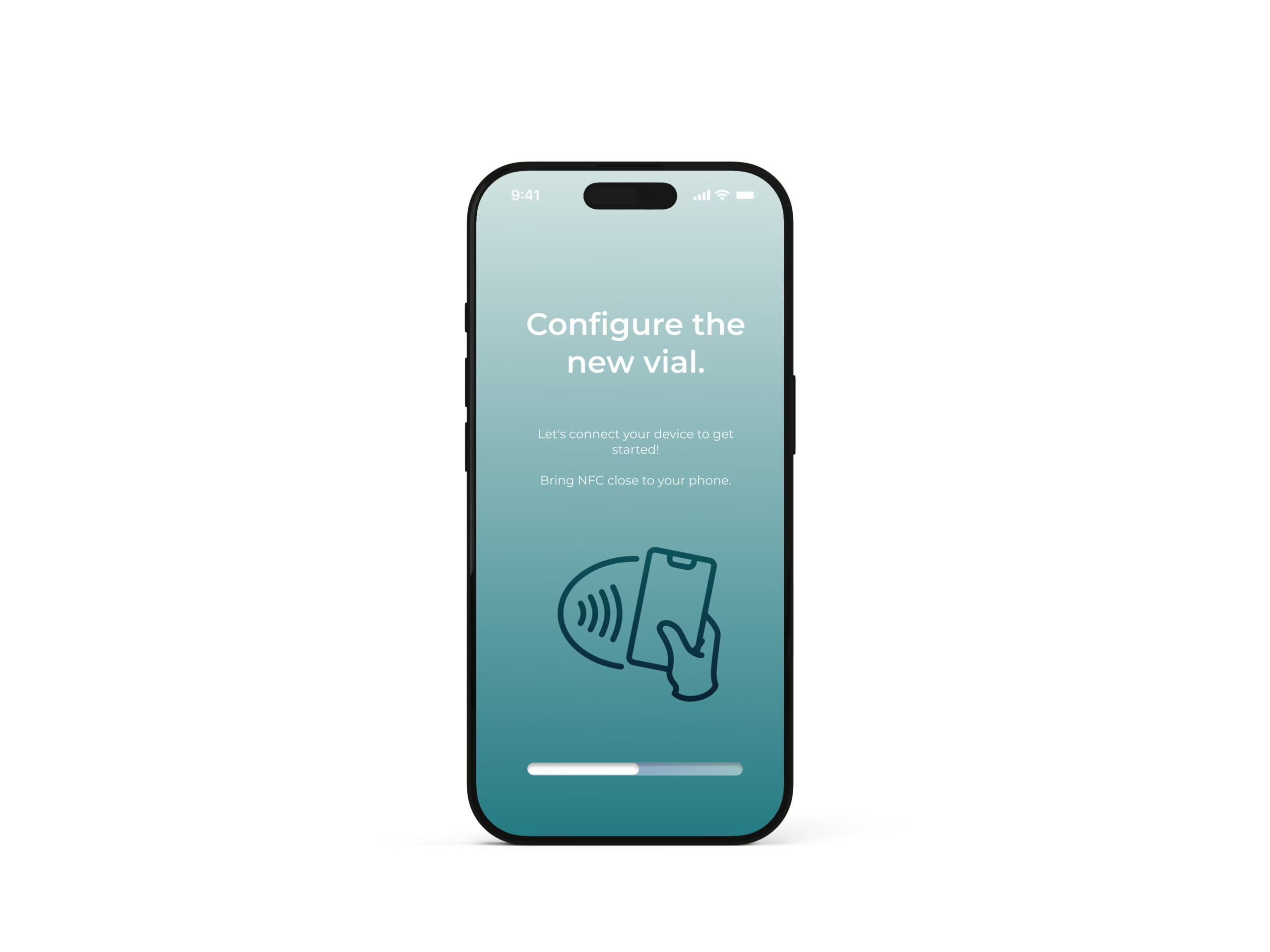
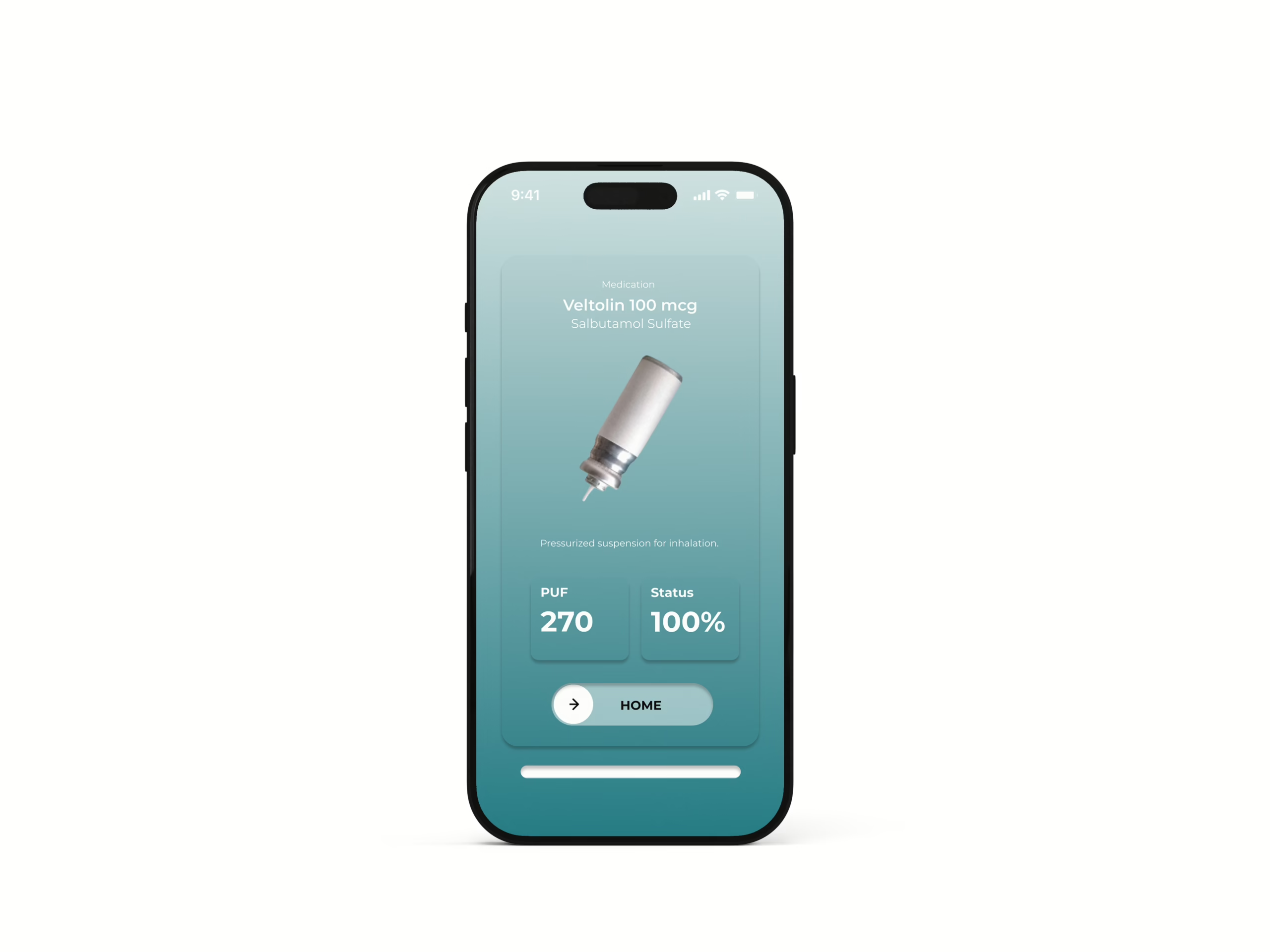
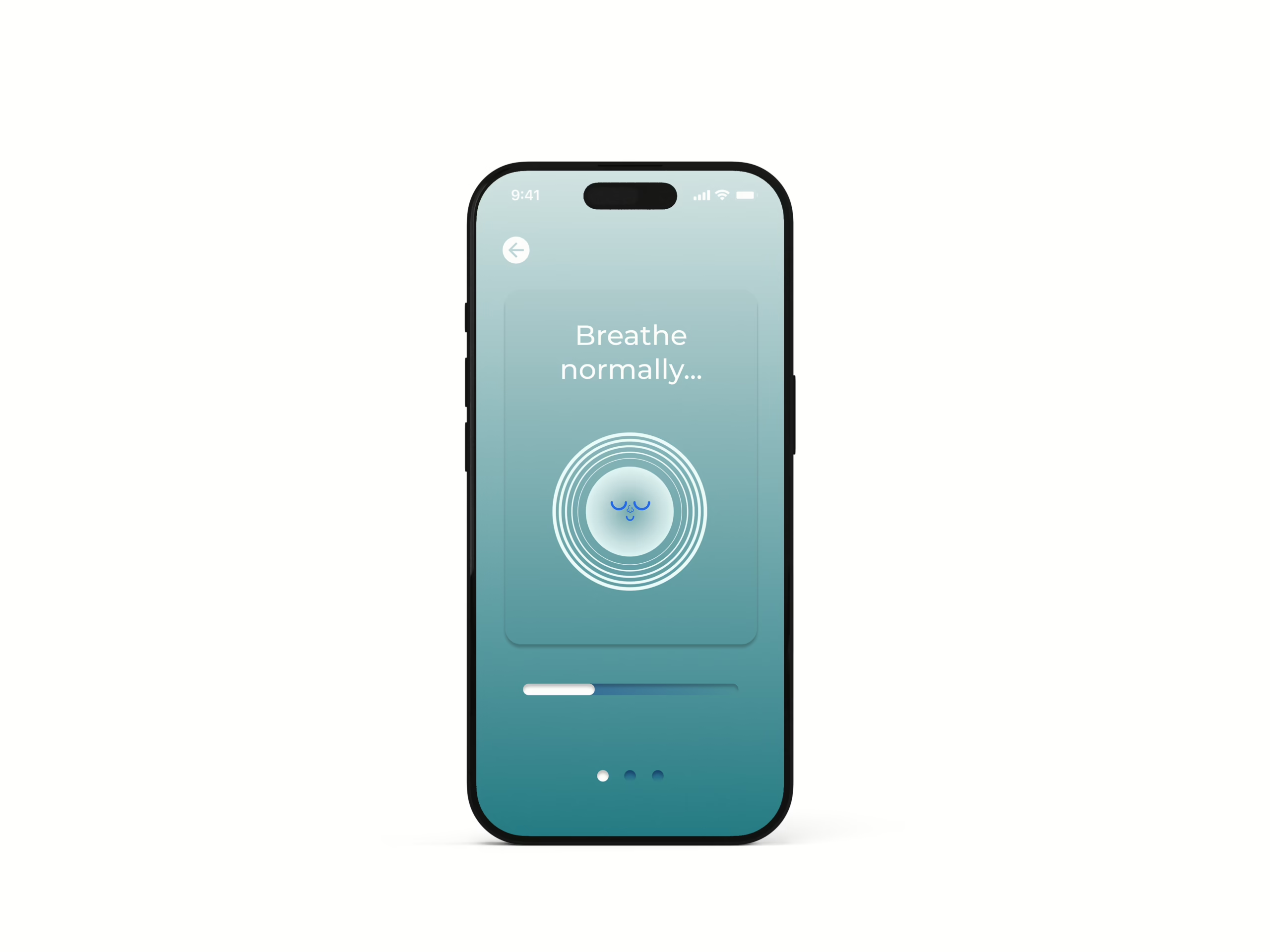
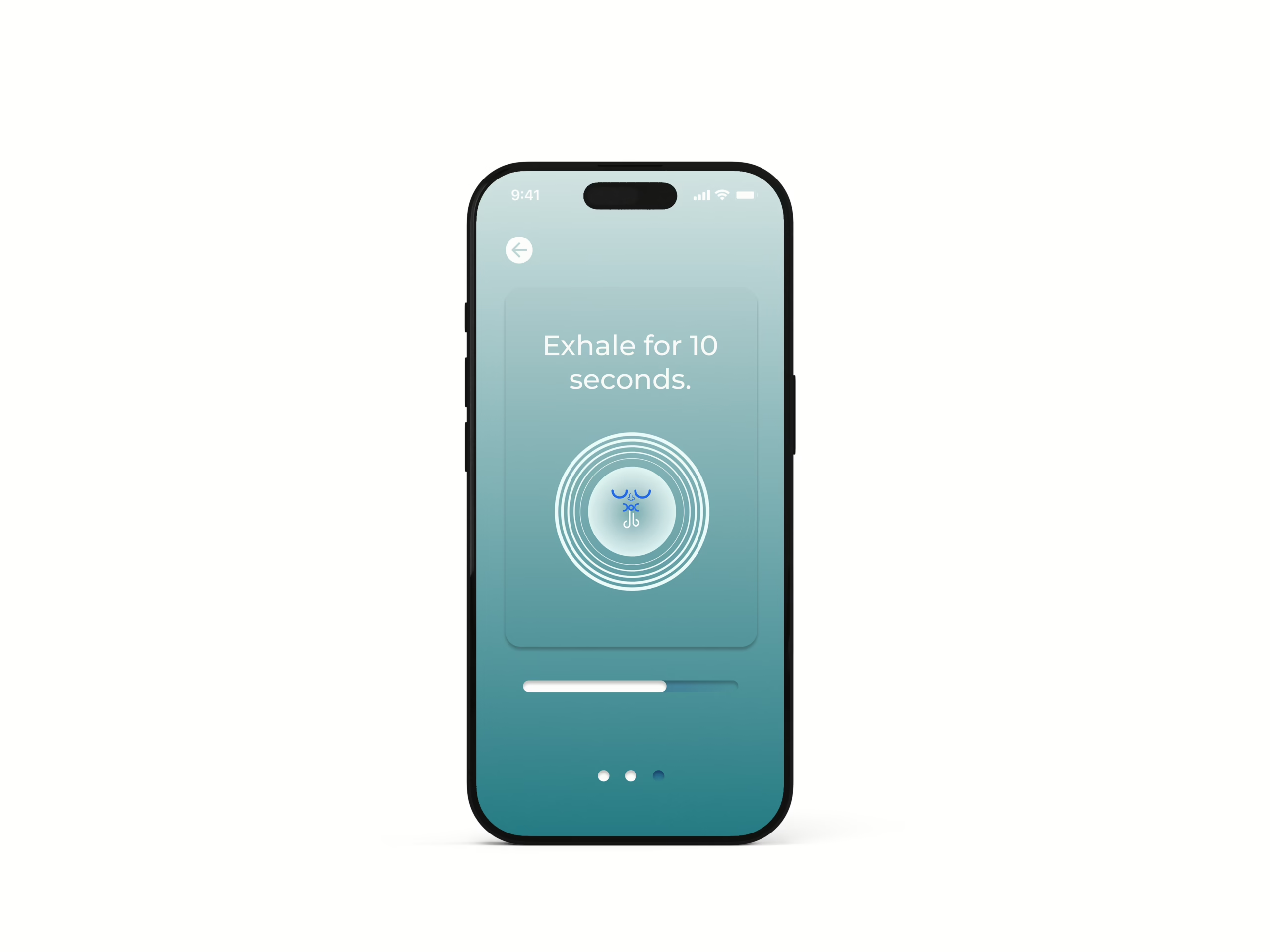
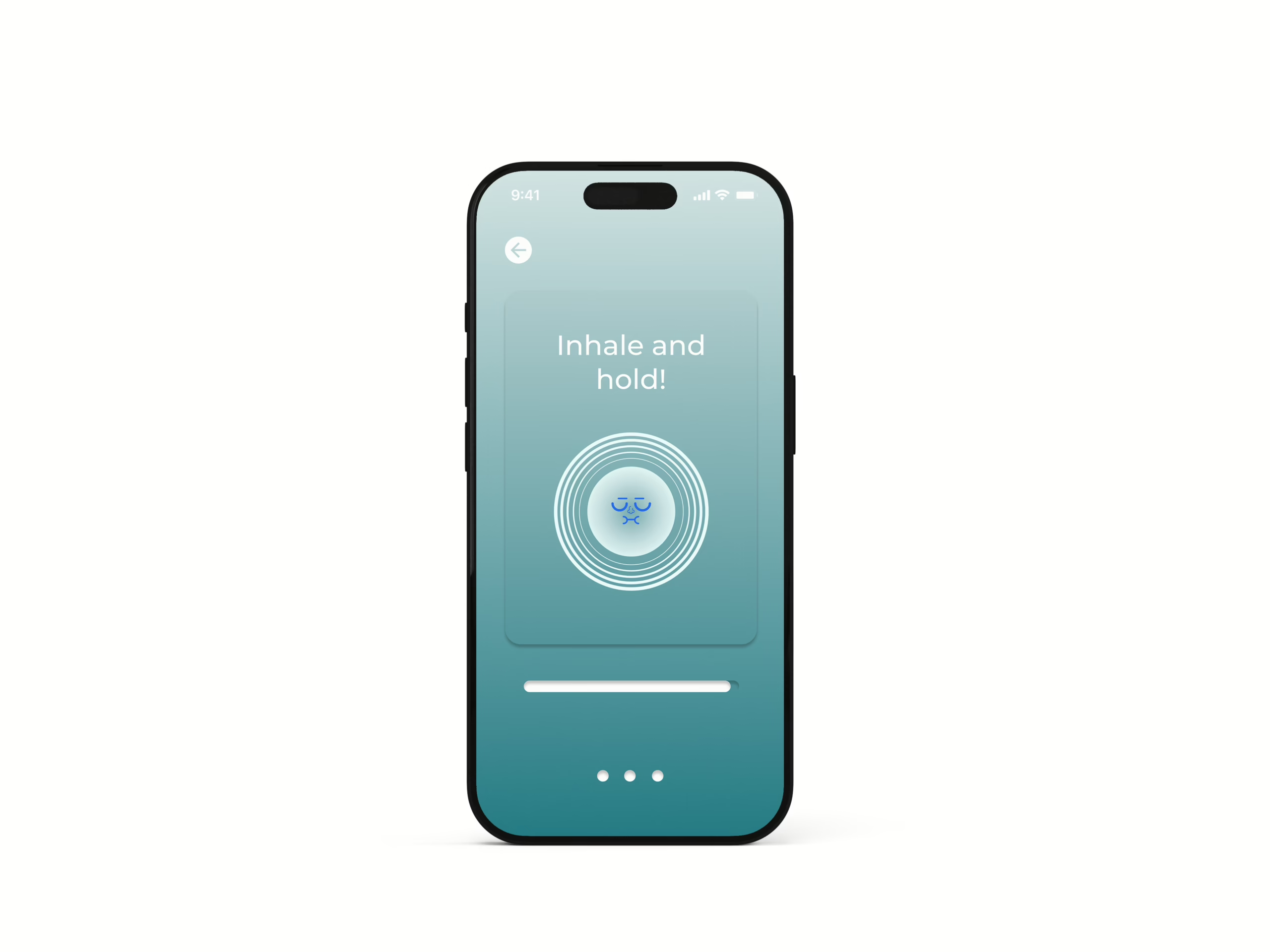
The app, prototyped in Figma, covers three moments: a new vial, a dose, and cleaning the mouthpiece. Times and quantities are design values.
1. A new vial
NFC check
Tapping the new vial on the phone reads it over NFC, checks that it is genuine and records the batch.
Dose setup
The app sets the counter to the vial's 200 doses and links the drug to the patient's schedule.
2. A dose
Preparation
The screen shows how to hold the inhaler, and asks to shake it when the drug needs it.
Breathing in
A shape that grows on the screen sets the pace of the breath.
Holding the breath
A 10-second countdown, on screen and as vibration, while the drug settles in the lungs.
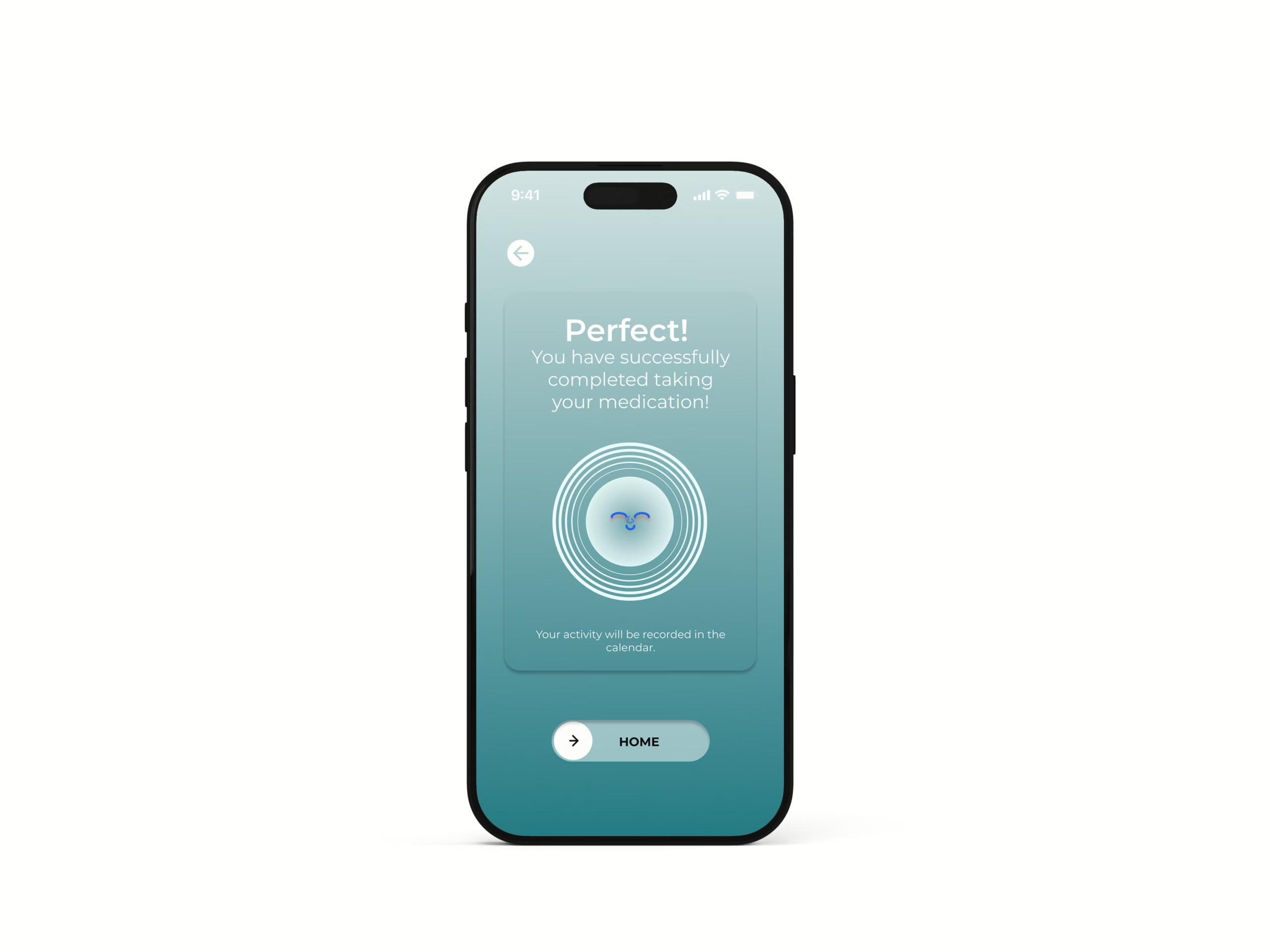
Logged
The app confirms the dose, takes it off the vial's count and adds it to the day's report.
3. Cleaning the mouthpiece
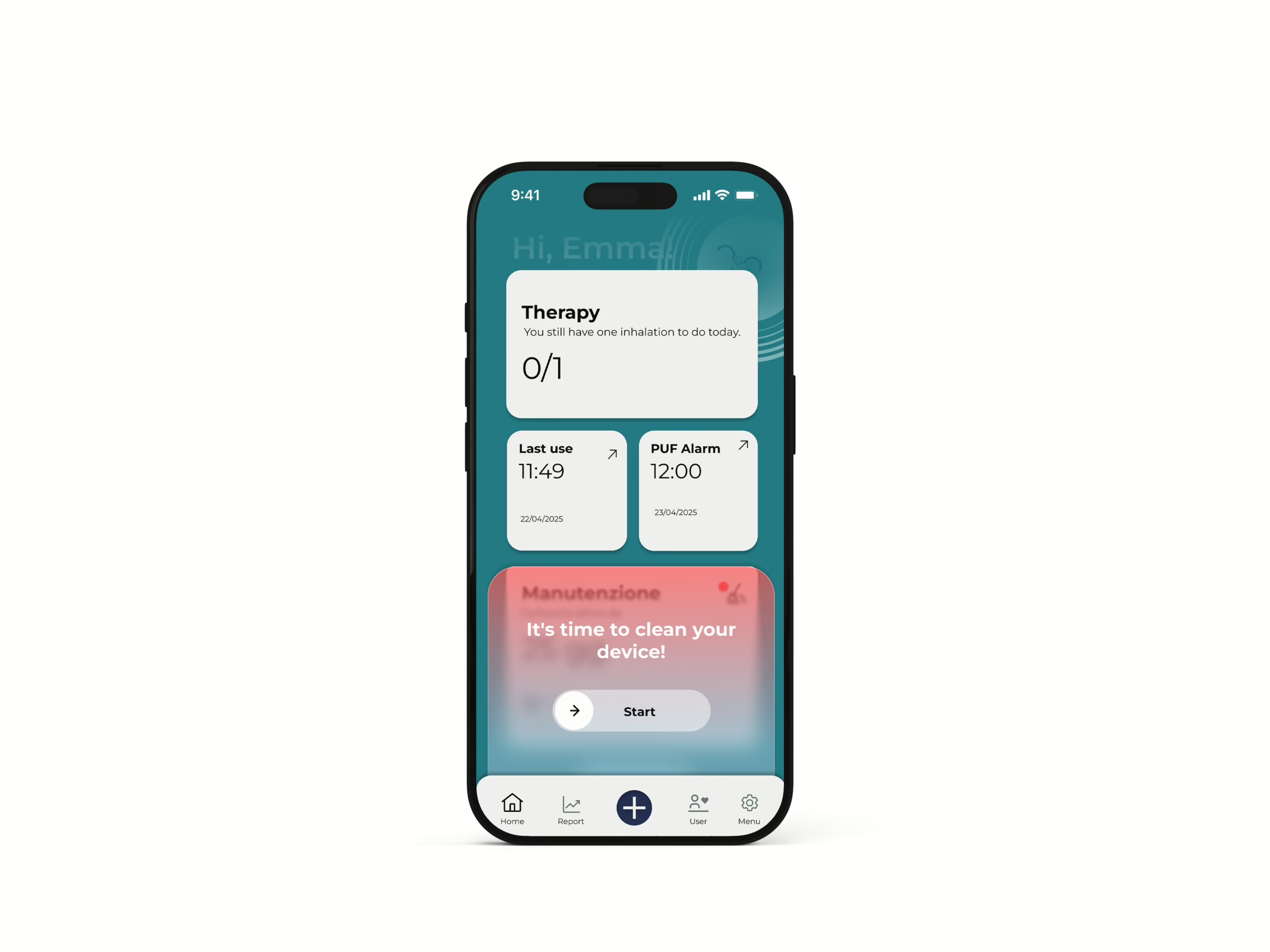
Reminder
The app counts the doses and tells the patient when the mouthpiece is due for cleaning.
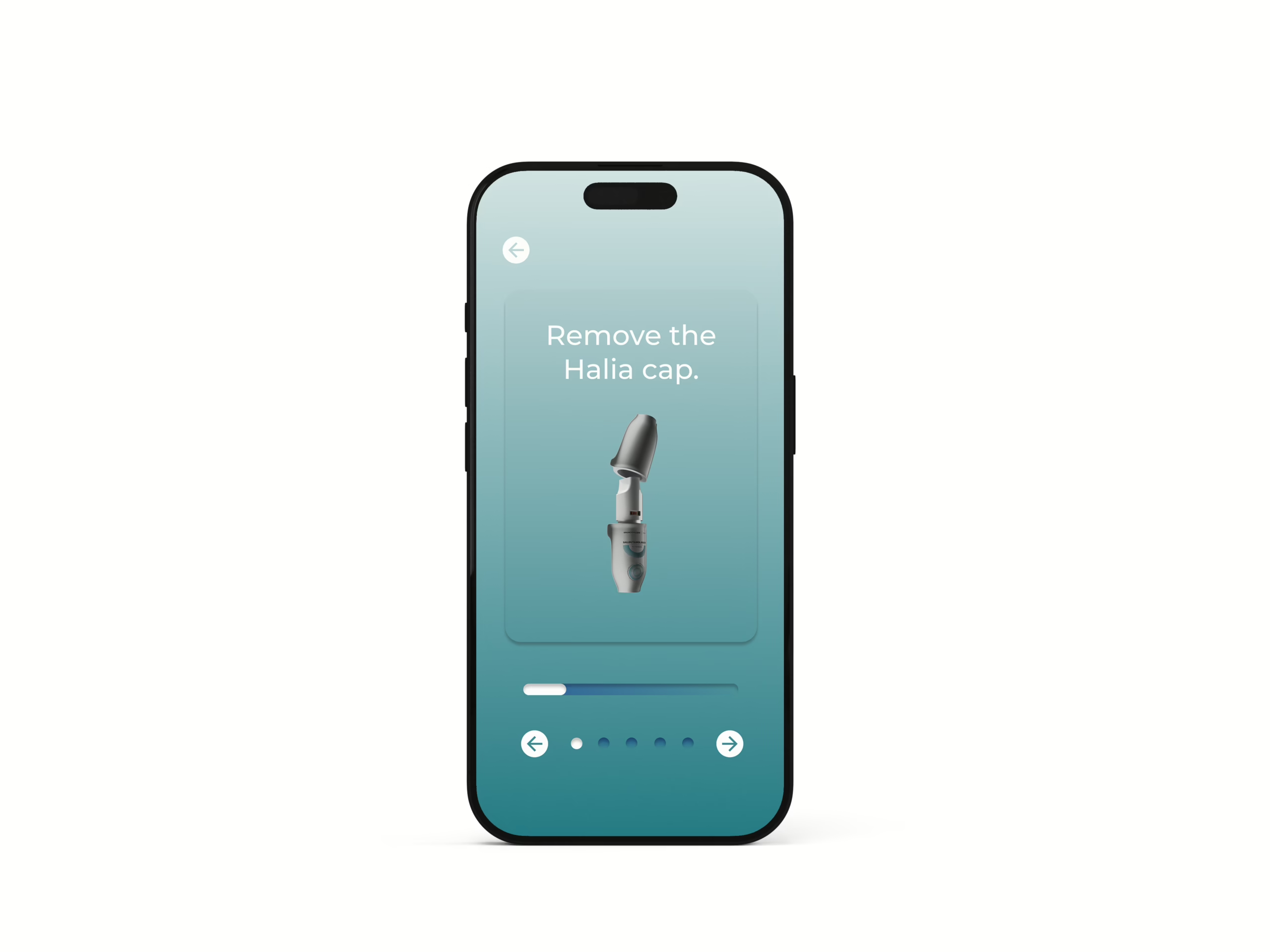
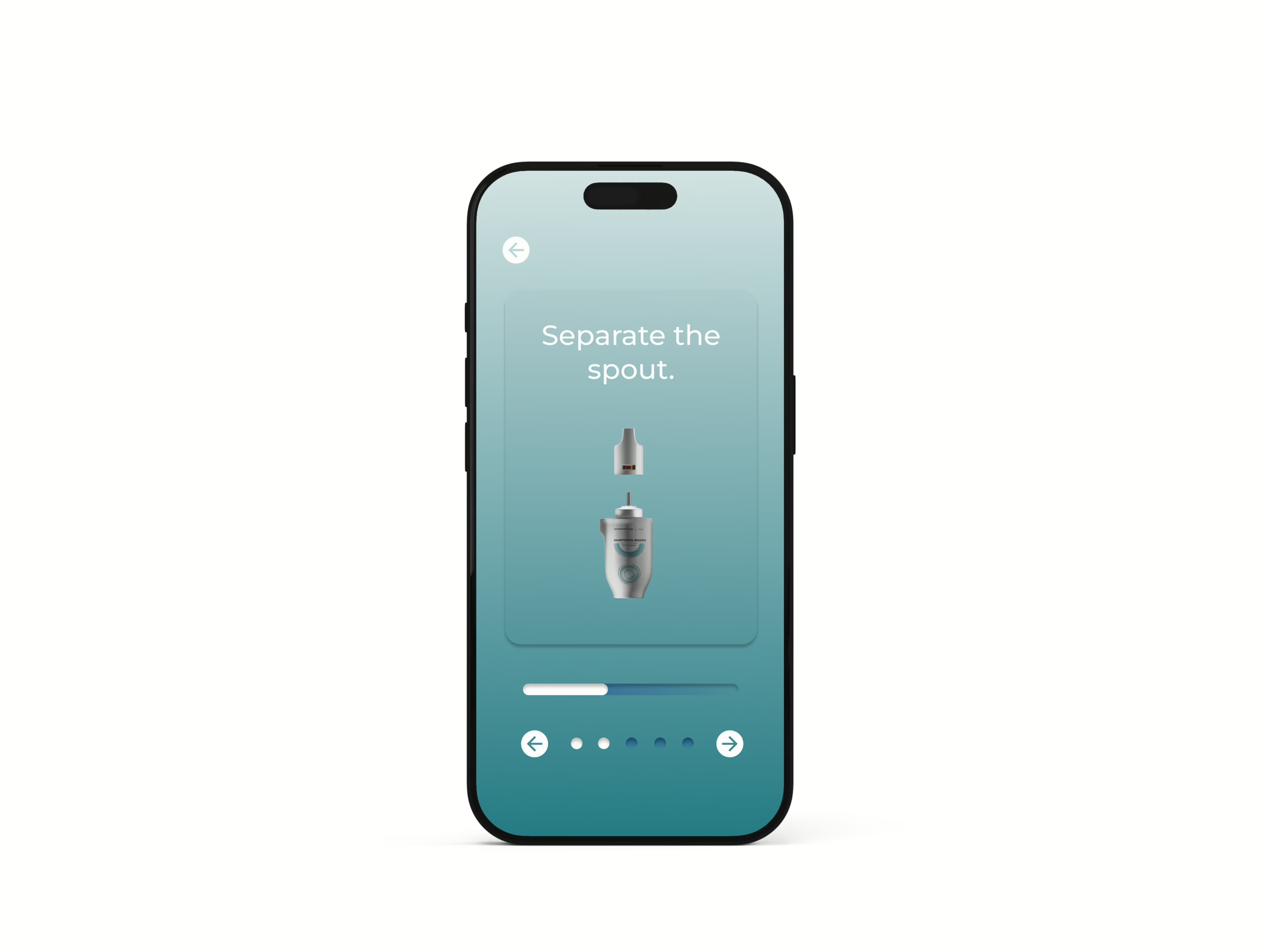
Taking it apart
Step by step, the vial and the pulp shell come off the reusable mouthpiece.
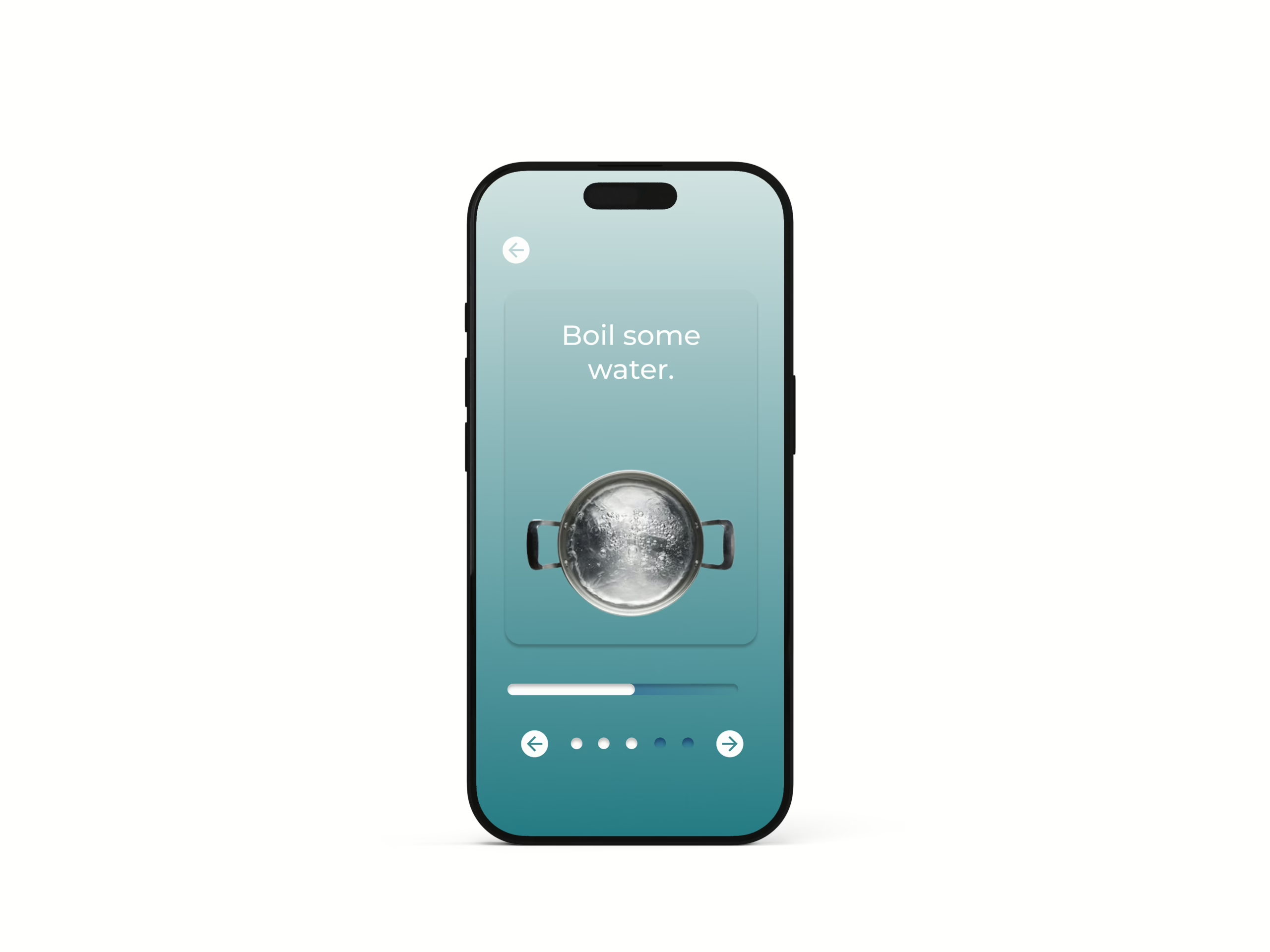
Boiling water
The patient is asked to bring water to the boil.
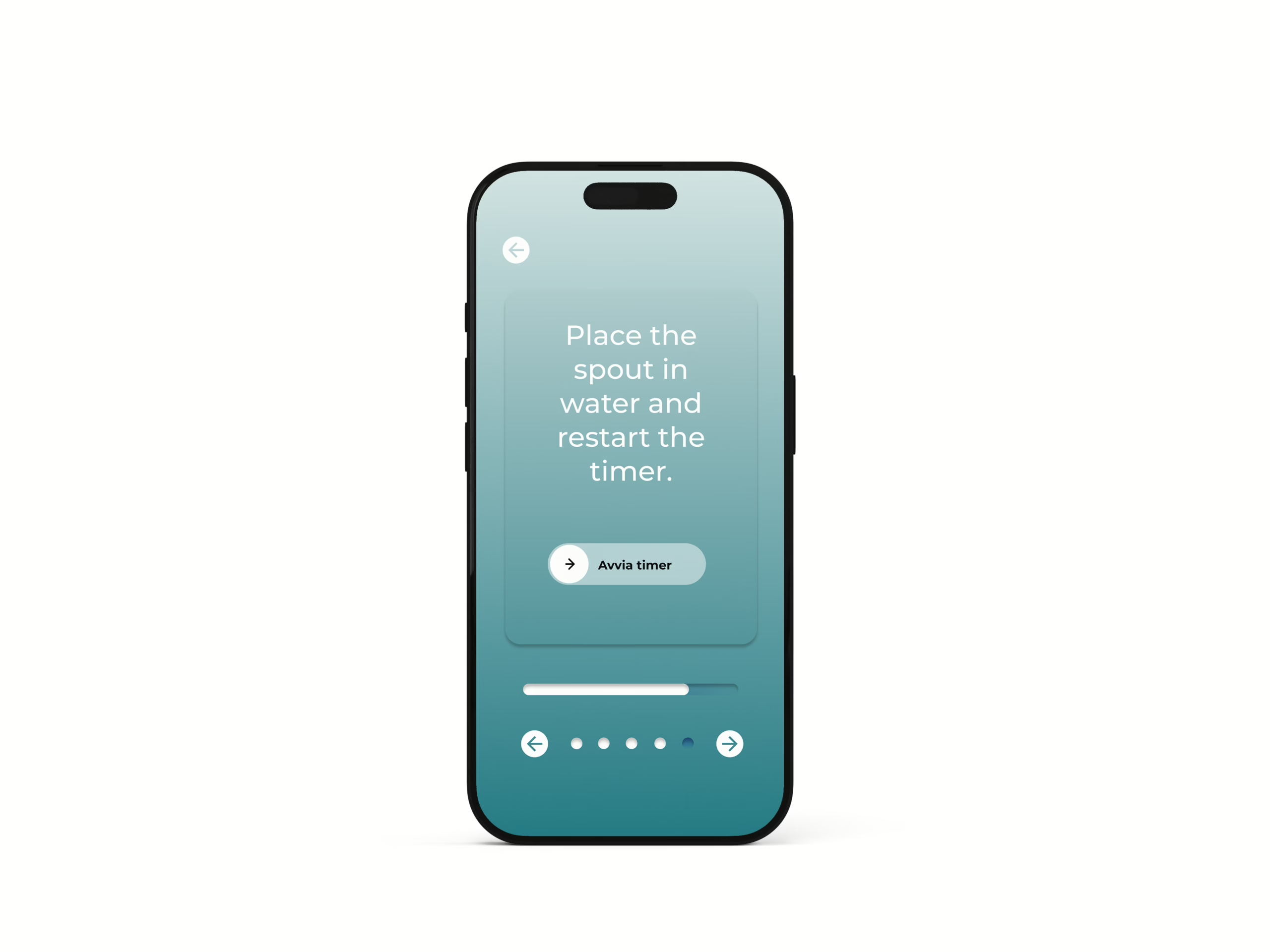
In the water
The mouthpiece goes in. The screen uses icons rather than text, so there is less to get wrong.
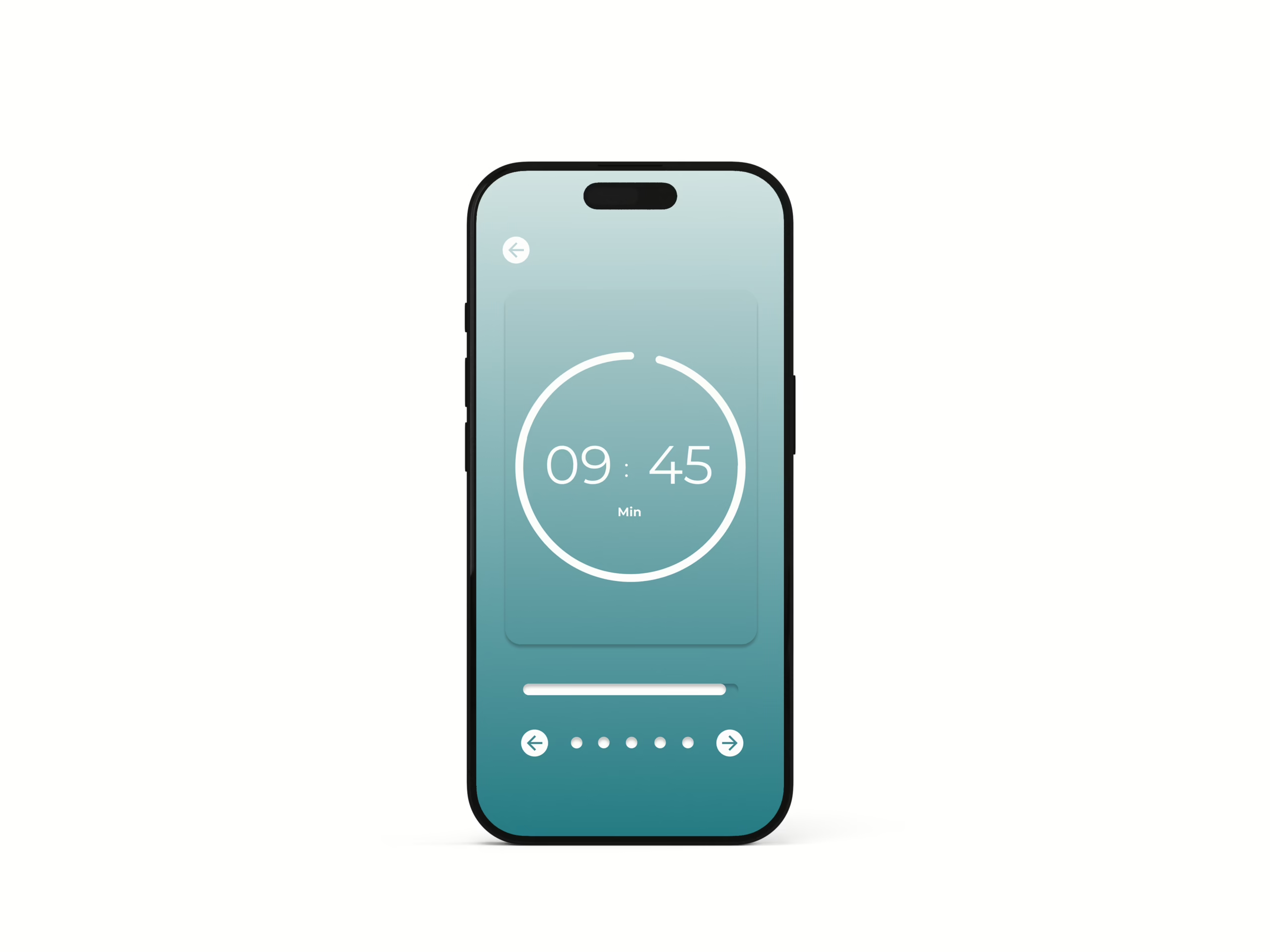
Timer
A 30-minute timer runs in the background.
Drying
The mouthpiece comes out and dries in the air, so no water stays in its channels.
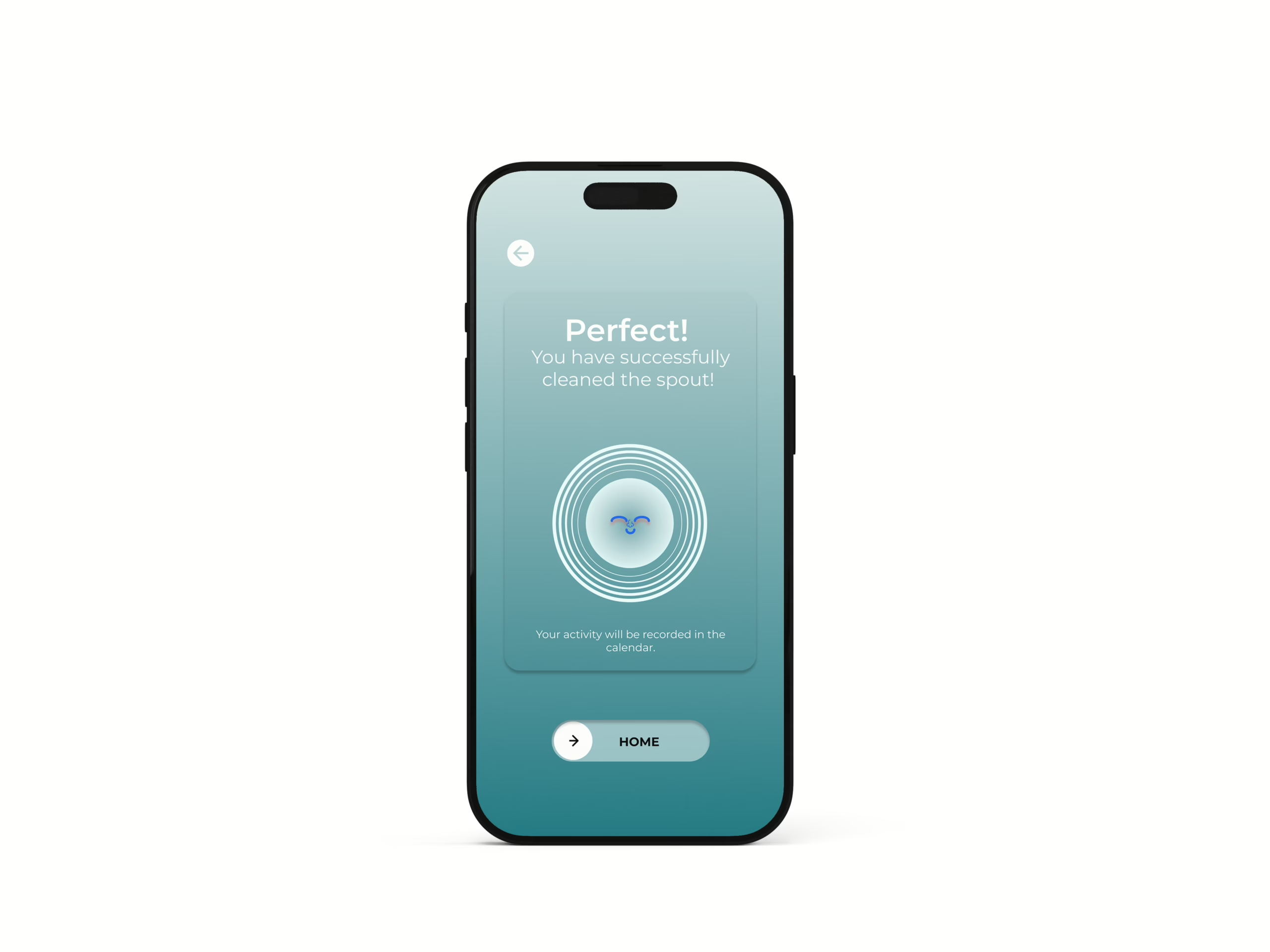
Back together
The inhaler is reassembled and the cleaning counter starts again.
Written about Halia
Halia was a national runner-up at the James Dyson Award 2025 in Italy. These are the articles that covered it.
- Gsanews Indispensabile come… l'Halia!
- Techprincess I migliori progetti italiani dei James Dyson Award 2025
- Hardware Upgrade James Dyson Award Italia 2025: il progetto vincitore fa 'parlare' gli alberi
- Il Sole 24 Ore Dalle foreste alla cura dell'asma: ecco le eccellenze italiane al James Dyson Award 2025
- StartupItalia James Dyson Award, chi è il vincitore italiano della nuova edizione?
- DDay.it Foremyc vince il James Dyson Award 2025 in Italia
- Batista70 Foremyc vince il James Dyson Award 2025 per l'Italia
- James Dyson Award Halia, the project page
There is no such thing as “away”.